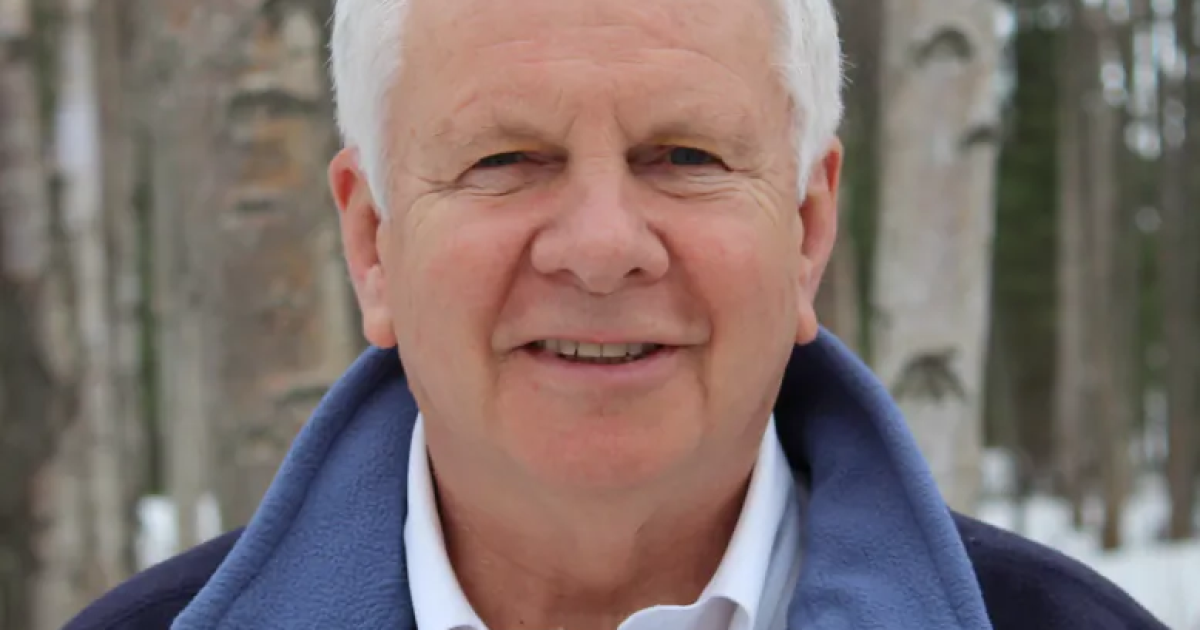
An eighteenth candidate joined the race to be Alaska’s next governor on Tuesday. Anchorage attorney Gregg Brelsford threw his hat in the ring as an independent.
Brelsford, 75, spent time as an Anchorage prosecutor, a municipal manager for two communities in Bristol Bay and the CEO of the Aleutian Pribilof Islands Association, he said in an interview. Brelsford also ran unsuccessfully for U.S. House following the death of Congressman Don Young.
Brelsford said he’s running to be what he calls “Alaska’s education governor.” He said Gov. Mike Dunleavy and his Republican allies in the Legislature have badly underfunded public education across the state.
“They've abandoned and betrayed and sold out our K through 12 students, and their teachers, and their parents,” Brelsford said.
He pointed in particular to Dunleavy’s vetoes of various efforts to raise public school funding. Lawmakers overrode two of those vetoes last year to increase basic per-student funding by $700.
For his part, Dunleavy has consistently said he’s not convinced funding alone would improve student achievement and raise Alaska’s lagging test scores. Dunleavy is serving his second four-year term and cannot seek reelection.
Brelsford also decried the Dunleavy administration’s decision to share voter data with the federal government and said he’d like the state to return to a defined benefit pension plan for state and local government employees.
If elected, Brelsford said he would place a particular emphasis on law enforcement in three key areas: missing and murdered Indigenous women, crimes against women and drug trafficking.
Brelsford plans to put $200,000 of his own money towards his run as “seed” funding. He’d like to begin his campaign in rural Alaska, he said.
“I came of age in rural Alaska,” he said. “I've spent years and years in villages, small towns, and both tribal and local government organizations through a large part of rural Alaska, so I'm going to be spending a lot of time introducing myself to people there.”
From there, he said, he’ll see what kind of momentum he can build.
He joins a crowded field that includes former state officials, legislators, businesspeople and more. Candidates have until June 1 to join the primary, and the top four candidates in the August primary, regardless of party affiliation, will advance to the November general election.
Facts Only
Gregg Brelsford: Anchorage attorney and independent candidate for Alaska's governorship
75 years old
Previous roles: Anchorage prosecutor, municipal manager, CEO of Aleutian Pribilof Islands Association, unsuccessful U.S. House candidate following Don Young's death
Running as an education advocate due to perceived underfunding during Mike Dunleavy's term
Plans to focus on law enforcement in three areas: missing and murdered Indigenous women, crimes against women, drug trafficking
Intends to spend $200,000 from personal funds for the campaign
Aims to begin campaign in rural Alaska
June 1st is the deadline for candidates to join the primary election
Candidates will advance to the November general election if they are among the top four in the August primary, regardless of party affiliation
Executive Summary
Full Take
By entering the race as an independent candidate, Gregg Brelsford has added to the already crowded field for Alaska's governorship. His focus on education funding and law enforcement, particularly regarding missing and murdered Indigenous women, reflects broader concerns in Alaska. The article does not provide clear evidence of manipulation or distortion patterns, but it is worth considering the motivations behind Brelsford's decision to run and his campaign strategies. Understanding the historical context of education funding and law enforcement in Alaska, as well as the potential benefits and costs for various stakeholders, can help readers make informed judgments about Brelsford's candidacy and its implications for the state.
Questions to consider:
What factors influenced Brelsford's decision to run for governor as an independent?
How might Brelsford's education reform proposals impact rural communities in Alaska?
What are the potential benefits and costs of prioritizing law enforcement on issues related to missing and murdered Indigenous women, crimes against women, and drug trafficking?