Facts Only
Archbishop Gabriele G. Caccia spoke at the United Nations on March 25, 2026.
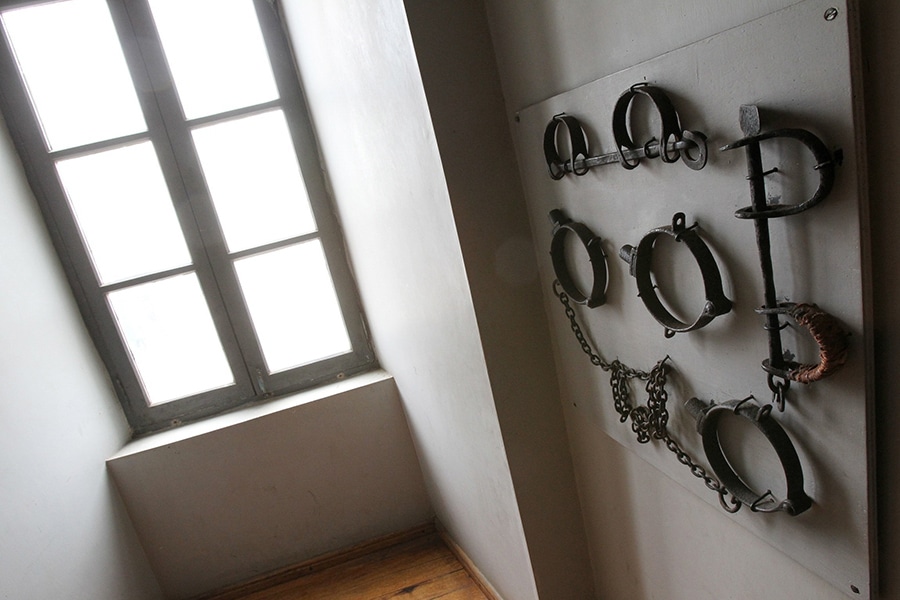
He condemned historical and modern slavery.
The U.N.'s resolution passed on March 25, 2026, called for reparations.
Ghana led the resolution; three countries voted against it (Argentina, Israel, and the U.S.).
Pope Leo XIV's apostolic exhortation "Dilexi Te" was referenced in Archbishop Caccia's speech.
The Church's opposition to slavery has been articulated in numerous papal documents.
The Vatican formally distanced itself from certain papal bulls in 2023.
Executive Summary
On March 25, 2026, Archbishop Gabriele G. Caccia, the Holy See's permanent observer to the United Nations, addressed slavery during the International Day of Remembrance of the Victims of Slavery and the Transatlantic Slave Trade. The day commemorates the abolition of the slave trade by the United Kingdom in 1807, marking a period of over four centuries when millions of Africans were enslaved across Western nations, including the U.S. This year's observance led to the adoption of a resolution by Ghana that condemned "the enslavement of Africans as the gravest crime against humanity." The resolution also cited the slave trade's enduring consequences and called for reparations by member states to affected nations. The resolution passed with 123 votes in favor, three against (Argentina, Israel, and the U.S.), and 52 abstentions.
Archbishop Caccia unequivocally condemned slavery, historical and modern, stating that the Church's opposition to slavery has been articulated in numerous papal documents. He referenced Pope Leo XIV's apostolic exhortation "Dilexi Te," highlighting the Church's mission of liberation throughout history. However, he also noted that the U.N. resolution contained a partial narrative and that the Church had formally distanced itself from certain papal bulls in 2023, repudiating the so-called "Doctrine of Discovery."
Full Take
Steelman: Archbishop Caccia's statement at the United Nations condemned slavery, both historical and modern, emphasizing the Church's longstanding opposition to this practice as articulated in numerous papal documents. He acknowledged the partial narrative presented in the U.N.'s resolution while emphasizing the Church's repudiation of certain papal bulls that had historically been used to justify immoral acts against indigenous peoples.
Patterns detected: ARC-0043 Motte-and-Bailey, ARC-0024 Ambiguity (Archbishop Caccia acknowledged a partial narrative in the U.N. resolution and the Church's repudiation of certain papal bulls).
Root cause: The ongoing discussion about slavery, reparations, and historical injustices reflects broader questions about power dynamics, colonialism, and racial justice.
Implications: This discourse has implications for international relations, ethnic and racial reconciliation, and the role of religious institutions in addressing systemic issues.
Bridge questions: What role should religious institutions play in promoting social justice and racial equality? How can we ensure that historical narratives are accurate and comprehensive without causing division or perpetuating harm? What forms of reparations would be most effective and equitable?