Thank you for visiting nature.com. You are using a browser version with limited support for CSS. To obtain
the best experience, we recommend you use a more up to date browser (or turn off compatibility mode in
Internet Explorer). In the meantime, to ensure continued support, we are displaying the site without styles
and JavaScript.
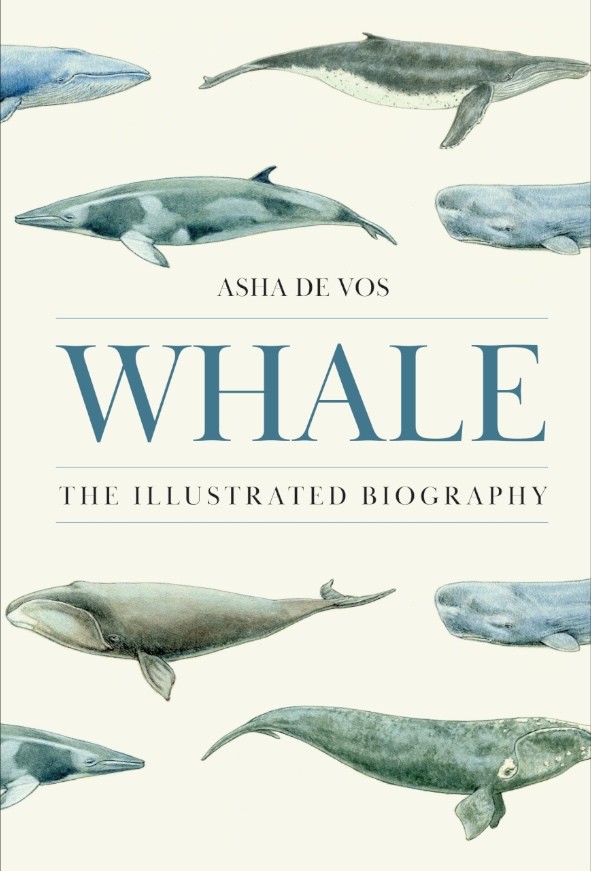
In the seventeenth century, right whales (Eubalaena spp.) were so common in Cape Cod Bay on the eastern coast of the United States that whalers joked that they could cross the bay by walking across the whales’ backs. Today, fewer than 400 right whales survive worldwide — a bleak testament to their name, which was bestowed by whalers who deemed them the ‘right’ whales to kill because they were slow-moving and rich in blubber. Such details enliven marine biologist Asha de Vos’s excellent, well-illustrated book about whales.
Nanotechnology
Rahul Rao Icon (2026)
Carbon nanotubes are 100,000 times slimmer than a human hair. But their structure gives them astonishing tensile strength, the flexibility to bend more than 90 degrees without snapping and an electrical conductivity 1,000 times better than copper wire, notes science journalist Rahul Rao in his brief, lively introduction to nanotechnology. “All signs indicate that we’re in nanotechnology’s very earliest days,” he writes. Eventually, Rao thinks, these materials will make it possible to construct an elevator from Earth to space.
The Man Who Made Plants Write
Jagadish Chandra Bose, transl. Sumana Roy Yale Univ. Press (2026)
Best known as an experimental physicist, Jagadish Chandra Bose was also fascinated by plant intelligence. He invented the crescograph, a tool for measuring minute plant growth. The invention features in this collection of his essays, published in Bengali in 1921 and now translated by writer Sumana Roy. One of the essays asks “is it possible to make the plants write down their own autographs?” Such ideas were controversial in Bose’s lifetime, but now that plant intelligence is an established field of study, they seem prescient.
Climate Justice Now
Eds Rebecca Marwege et al. Columbia Univ. Press (2026)
Enjoying our latest content?
Log in or create an account to continue
Access the most recent journalism from Nature's award-winning team
Explore the latest features & opinion covering groundbreaking research
Facts Only
Asha de Vos: marine biologist
Right whales (Eubalaena spp.)
Cape Cod Bay: eastern coast of the United States
Whalers joked that they could cross the bay by walking on whale backs in the 17th century
Fewer than 400 right whales survive worldwide today
Jagadish Chandra Bose: experimental physicist and plant researcher
Crescograph: tool for measuring minute plant growth, invented by Bose
Collection of essays on plant intelligence published in Bengali in 1921
Sumana Roy: translator of the book
Executive Summary
Full Take
By examining these three books, the article highlights both historical and contemporary scientific explorations into various aspects of the natural world. The first book, "The Right Whale," sheds light on the dramatic decline in right whale populations due to human activities, emphasizing their once abundant presence and current endangered status. The second book, "Nanotechnology," offers an introduction to carbon nanotubes, a remarkable material with potential applications that could revolutionize various industries. The third book, "The Man Who Made Plants Write," showcases the work of Jagadish Chandra Bose, a pioneering scientist who pushed boundaries in plant research and intelligence.
As we consider these books, it is worth asking: What other aspects of the natural world are ripe for exploration and revolution? How can we continue to push the boundaries of our understanding and harness new technologies for the betterment of society? And finally, as we learn more about the complexities of plants, right whales, and carbon nanotubes, how might these discoveries challenge our assumptions about the natural world and our place within it?