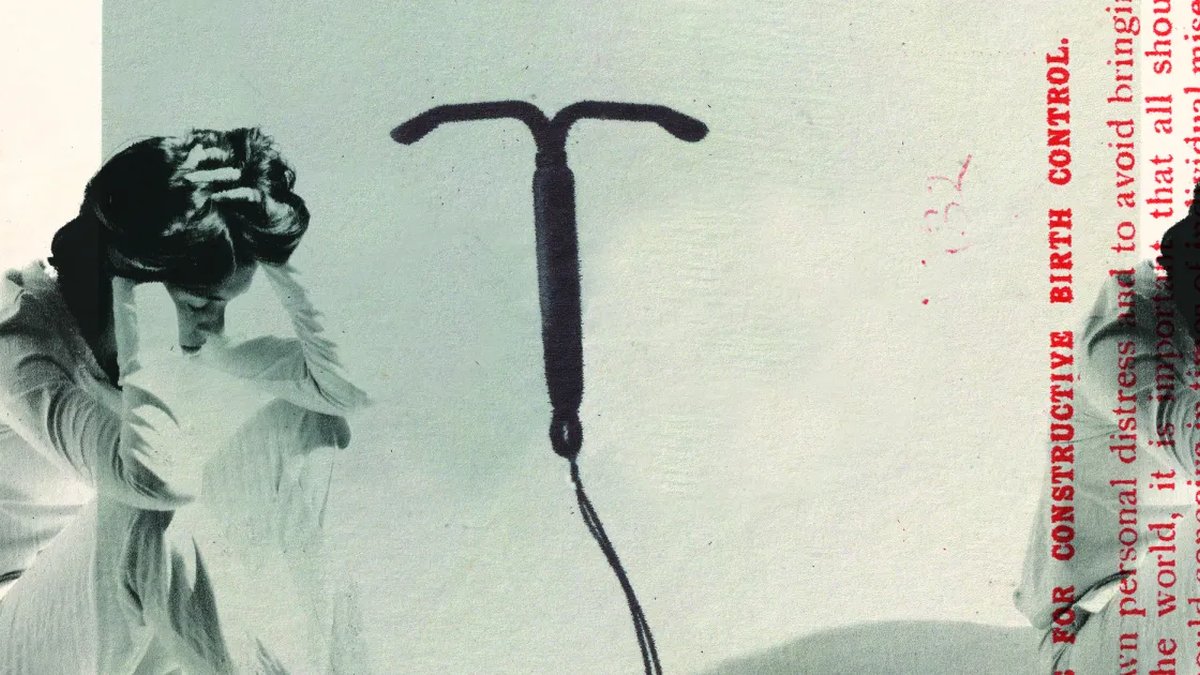
Last summer, I noticed a shift: I was calmer and happier than I’d been in years.
This was puzzling, since my life didn’t look particularly calm. I was planning a solo cross-country move, and my days were full of bubble wrap and goodbye dinners and Craigslist alerts. But as I packed up boxes in Boston, and then adjusted to life in San Francisco, I marveled at the little changes. Feeling content, rather than lonely, on nights cooking a new recipe by myself. Pausing to chat with baristas instead of rushing to order a latte. I couldn’t remember crying out of happiness before, but there I was on a morning walk, eyes welling at the way the sun hit a cypress tree. Friends and family said I seemed lighter. As the summer progressed, I wrote journal entries like, “felt relaxed/happy a lot of the day for no particular reason” and “surprised by how ok I am.”
Since I was a teenager, I’ve grappled with a tangle of anxiety, depression, and insomnia: feeling a knot at the base of my ribs, weeping in the fetal position for no obvious reason, waking up in the middle of the night, simultaneously exhausted and wired. Over the years, I have, as therapists like to say, amassed the tools in my toolbox. I’ve spent countless hours with psychiatrists and therapists, gravitating toward cool grandma types, taking their advice to cultivate a mindfulness practice. I’ve talked to my actual grandma, a vivacious 102-year-old psychologist who has a way of asking pointed questions over breakfast. (On insomnia: “Does sex help?”) I’ve tried Prozac and Zoloft and Ambien. I run a few miles every day after work—the best mood booster I’ve found so far. I’ve even tried some of the more out-there stuff, like working with a coach to ask my stomach why it’s so tense.
But when the knot and the crying jags and the inexplicably wired nights persisted, I came to think of them as just how I was built. In the same way that I have dark hair and brown eyes, I thought, I was a person with a low hum of anxiety and bouts of depression.
So it was particularly noticeable when things shifted. It wasn’t that I suddenly transformed; rather, it felt like the temperature of the anxiety came down, and sadness became a feeling that passed rather than a state of being. My Oura ring told me that the quality of my sleep was “Fair” or “Good,” and not the dreaded “Pay attention.”
It took a couple of months for me to realize that these changes dovetailed with another event: the removal of my IUD.
Like many millennial women, I’ve been on hormonal contraceptives for most of my adult life. I got my first intrauterine device after graduating from college. I loved that I didn’t have to worry about getting pregnant or bother with taking a pill every day. I loved that, like many women with hormonal IUDs, I didn’t get my period. And I loved that, with the exception of when I had to replace it every so often, I didn’t think about having an IUD much at all for the next 14 years.
One morning last August, I decided to do some digging into whether my newfound equilibrium was related to going off birth control. I’d heard that the pill could cause mood changes for some users, but what I found shocked me: For years, research in well-respected scientific journals has found that people on hormonal contraceptives—especially those using non-oral contraceptives, like IUDs—are much more likely to experience depression, suicidality, anxiety, insomnia, and other psychological effects rarely discussed by the doctors who prescribe them. While the likelihood of severe mood changes from hormonal contraceptives is relatively low, even a small increase in risk can have profound consequences when a group of products is used by more than 300 million women worldwide.
“There are subsets of women who are exquisitely sensitive to hormonal shifts,” says Dr. Tamar Gur, a psychiatrist and neuroscientist who directs the women’s health research program at Ohio State University. “I think this is a real thing. I don’t think it was just in your uterus or just in your head,” she told me, adding: “Your experience, unfortunately, is very common.” Like many doctors I spoke with, Gur often paused midsentence to rephrase what she was saying. “I just want to be so careful with my words, because I don’t want someone out there who would benefit from hormonal contraception to feel scared of it or feel like they’re doomed to experience it.”
Indeed, some important caveats are in order. Again and again, scientists stressed to me that, while some women on hormonal contraceptives experience dramatic mood effects, the vast majority do not. Some, in fact, report feeling happier on contraceptives than off them. On top of that, the potential consequence of not using birth control—namely, unplanned pregnancy—can have immense psychological repercussions. And finally, the large studies are observational, meaning they show correlation, not causation. It’s challenging, for ethical reasons, to do randomized, controlled studies on the effects of birth control by placing some participants on placebos, and the science is complicated by the fact that there are hundreds of formulations of contraceptives and little funding to study drugs already on the market. Even my story isn’t exactly linear: My college years were by far my most depressed, and I wasn’t on contraceptives most of that time.
And yet it’s an undeniably jarring experience to realize, at 36, that I may be a significantly calmer and happier person than I thought I was. Did my IUD contribute to or prolong my depression and anxiety? And of the many mental health specialists I saw over the years, why didn’t anyone ask about my birth control?
I’ve been mulling this at a time when birth control is under attack. In October, the Department of Health and Human Services laid off the staff administering Title X, which provides contraceptives and other family planning services to millions of low-income Americans annually. The agency recently released guidance on family planning projects it expects to fund in the coming year—with the goal of reducing “overmedicalization” and promoting “natural family planning” approaches.
On social media, misinformation about contraceptives is rampant, with videos on TikTok—generating billions of views—leading some women to come off birth control in favor of “natural” alternatives. Turning Point USA podcaster Alex Clark has called hormonal birth control “poison.” Candace Owens calls it a “Machiavellian, evil design to keep you stupid.” Celebrities from Gwyneth Paltrow to Joe Rogan and Elon Musk have used their platforms to suggest birth control is dangerous.
At a time when abortion is unavailable to many and contraceptives could be next on the chopping block, it can feel like there are only two camps: those who champion birth control, warts and all, and those who criticize it with hopes of making it go away. But there is a quieter third camp: scientists, doctors, and public health researchers who are scrutinizing birth control not to get rid of it, but to make it better.
I hadn’t appreciated just how much support there was for this last group until I started telling women in my life that I was working on this story. Nervous that friends would think I’d gone off some sort of Goop–ey deep end, I came to dinner parties and book clubs prepared to rattle off study stats and assure them that real scientists said this was a thing. I needn’t have worried. At virtually every gathering where the subject came up, at least one woman—and often many—told stories of stopping or changing birth control because of the side effects. I learned of friends who went off hormonal contraceptives after thoughts of harming themselves, or having thoughts of harming others, or spiraling in anxiety. This shouldn’t have surprised me: Roughly a fifth of women stop using birth control or switch methods within the first year because of side effects, many of them mood-related.
While researchers know that some women will suffer from dramatic reactions, they’re still learning who and why. “We’re in the murky middle,” said psychology professor Adriene Beltz, who studies the cognitive effects of sex hormones at the University of Michigan.
Beltz was among the many experts I spoke with who worried, in this political climate, that their research would be weaponized. It can feel, she said, like “you’re either gaslighting the experiences of folks or you’re limiting folks’ options at a time when options are already limited.”
This isn’t altogether a new challenge. When Beltz started her research more than a decade ago, people would ask what she would do if she discovered something negative about contraceptives. Her response: “I would say, ‘Women deserve to know all possible risks and benefits.’”
In June 2011, when I was 21, I showed up to my gynecologist’s office in Minneapolis to discuss contraception. My medical records note that I was leaning toward a Mirena IUD. “Had a tough year depression/anxiety-wise and is concerned about mood effects with hormonal contraceptives,” the records say. Still, after a discussion about pros and cons, I elected to have it inserted that day.
I don’t doubt any of this, but I also have no recollection of this appointment. It was the summer after I graduated from college, and I’d talked to friends who had IUDs and liked them. My understanding of the devices was that they operated locally, without the far-reaching effects of oral contraceptives. At the time, Bayer, which makes the Mirena, explained on its website that the IUD “delivers small amounts of hormone directly to the uterus.”
The fact that the insertion of an effective, long-acting contraceptive was so unremarkable to me was, in its own way, extraordinary. For millennia, women in ancient societies had gone to extreme lengths to prevent pregnancy: inserting acacia gum or crocodile dung in Egypt, cervical sponges made of bamboo tissue paper in Japan, wads of wool in Greek and Islamic cultures. Starting in the 1900s, douches containing Lysol were marketed as “feminine hygiene” products to get around laws limiting the sale of contraceptives.
All of which made the first-ever birth control pill, which hit the market in the summer of 1960, such a game changer. Here was the “magic pill” that reproductive rights crusaders like Margaret Sanger had been dreaming of. Sex before—and after—marriage became less fraught. Women could study and pursue careers without fear of unplanned pregnancy. The pill suppressed ovulation by supplying a constant dose of synthetic estrogen and progesterone (called progestin)—the sexual hormones that rise and fall with each menstrual cycle. Within five years, it had become the most popular form of birth control in the country.
But as its popularity soared, concerns among patients and doctors grew about troubling complications, from blood clots to strokes and depression. As it turns out, the Food and Drug Administration’s approval of the pill had been based on a study of low-income women in Puerto Rico—17 percent of whom reported dizziness, nausea, vomiting, and headaches and three of whom died without further investigation. So strong were the side effects that Dr. Edris Rice-Wray, who oversaw the trial, concluded that while the pill protected against pregnancy, it “causes too many side reactions to be acceptable generally.” Her concerns were dismissed by the male heads of research.
When Congress held a series of hearings about the pill’s potential dangers in 1970, doctors testified about its extreme psychological effects on some of their patients, describing how these women became psychotic or suicidal. One doctor said he was fielding calls from husbands, saying, “Do something about my wife—my God, she’s just turned into a bitch.” No women were invited to speak about their personal experiences, prompting feminist protesters to persistently interrupt the proceedings, calling out questions like, “Why are 10 million women being used as guinea pigs?”
Plenty of women “were happy to have the choice, but they were unhappy that this great new thing came with so many downsides,” said Judith Houck, a historian of women’s health at the University of Wisconsin, Madison, “and that they were told, You should be happy.”
The hearings, together with feminist organizing, helped push the FDA to require drug manufacturers to include possible side effects in the pill’s packaging. In the following years, drugmakers introduced oral contraceptives with significantly lower doses of hormones and fewer risks. Meanwhile, nonhormonal IUDs, including copper versions, arrived in the ’60s and ’70s, but the disastrous Dalkon Shield—linked to infections, infertility, sepsis, and death—turned Americans away from them for years to come.
In many ways, that’s how things stayed for the next three decades in the United States. Research into new contraceptives stalled. Pharmaceutical executives concluded that the litigation risks were too high, the products too politically charged. They seemed to assume—correctly—that many women would simply put up with the side effects in exchange for reproductive autonomy. The number of American women on the pill steadily climbed; in 1987, 4 out of 5 women in their mid-30s had used oral contraceptives. By 1990, all but one of the large American pharmaceutical companies that had previously been doing research on new contraceptives had stopped.
“The outlook for new contraceptive development is bleak,” Dr. Luigi Mastroianni, a University of Pennsylvania professor of obstetrics and gynecology, said in 1990. While some Europeans could choose from a variety of implants, injectables, pills, IUDS, and sterilization techniques, “we in the United States make do with the same range of options available 30 years ago.”
That changed in 2000, when the nation’s first hormonal IUD hit the market. The Mirena was a small, T-shaped piece of plastic, inserted into the uterus in a quick outpatient procedure. Like the pill, it offered a steady dose of synthetic hormones—in this case, only progestin. But unlike the pill, patients didn’t have to think about it daily or refill prescriptions. That helped make it far more effective: The rate of unplanned pregnancy in the first year of typical use with a Mirena was 0.2 percent, compared with 9 percent for women on the pill.
The American College of Obstetricians and Gynecologists, the field’s leading professional group that issues clinical guidance, soon embraced IUDs. In a 2005 bulletin, ACOG said they “should be considered for all women who seek a reliable, reversible contraceptive that is effective before coitus,” adding that side effects were “minimal.” This stamp of approval came despite the fact that the package insert noted that “5 percent or more” of users experienced abdominal pain, back pain, decreased libido, depression, nervousness, or a host of other side effects.
By 2011, ACOG’s guidance was even more effusive, saying that “almost all women are eligible for implants and IUDs.” The logic was simple: IUDs are exceedingly effective at preventing unplanned pregnancy. Doctors often ranked contraceptives in terms of efficacy, with IUDs and other long-acting methods in the top category. (ACOG later acknowledged that this approach failed to consider the broader needs and values of the patient, including concerns about side effects.)
After the Mirena, Bayer came out with IUDs with lower doses of progestin, each sounding like a sperm-slaying goddess of war: the Skyla in 2013, the Kyleena in 2016. The company marketed them as a convenient option for busy moms. Bayer sponsored promotional parties featuring a nurse practitioner passing around a Mirena and a presentation by a fashion stylist. “How would you categorize yourself?” the nurse practitioner was coached to ask attendees. “Hot and sexy with a lot of spontaneity or too tired with little time to be intimate?”
In some cases, doctors promoted IUDs with enthusiasm that bordered on overzealousness. In a 2017 study, public health researchers interviewed a dozen primary care providers at clinics in the Bronx. They found that when patients requested to have their IUDs taken out because of side effects, providers often pushed back.
“I never want to have anyone remove their IUD unless they want to have a planned pregnancy and they’re ready for it,” one physician told the researchers. “Every other case, I feel like they should keep it in if they can, obviously.”
Around 2013, epidemiologist Charlotte Wessel Skovlund heard from a friend who’d become depressed after having an IUD inserted. At the time, Skovlund was the data manager for Dr. Øjvind Lidegaard, a professor of obstetrics and gynecology at the University of Copenhagen. For years, Lidegaard had been studying the effects of hormonal contraceptives on rates of heart attacks and stroke. Skovlund approached Lidegaard with a research question: Was it possible, she wondered, that her friend’s IUD and her depression were connected?
Lidegaard was intrigued. The existing research was inconclusive, but over the years, he’d had patients who would return weeks after he’d prescribed hormonal contraceptives, saying their moods had changed and they needed an alternative. “We have always known that some women feel that way,” he told me, “but we have generally considered it to be a little minority of women.”
In Denmark, as in several other European countries, a national registry tracks residents’ anonymized medical histories, enabling large observational studies. Skovlund, Lidegaard, and a team of scientists decided to embark on a multiyear research project, examining the records of more than a million women between 1995 and 2013.
Their landmark study, published in JAMA Psychiatry in 2016, found that most common hormonal contraceptives were associated with higher rates of depression and antidepressant prescriptions—with particularly high rates among those using progestin-only contraceptives, those who started as teenagers, and those using non-oral contraceptives, like IUDs. At gravest risk were teenagers using progestin-only IUDs like the Mirena, who were three times more likely than non-users to be diagnosed with depression and to be prescribed antidepressants.
After the study came out, Lidegaard received “not hundreds, but thousands of emails” from women around the world about their own experiences. One that stuck with him was from an 18-year-old American who had no history of mental health problems, but, two days after starting the pill, found herself on the Brooklyn Bridge, about to jump. She was dissuaded by an onlooker. Eventually, she stopped taking the pill at a family member’s suggestion and hadn’t experienced depression since. “It’s of course an extreme example,” Lidegaard said, “but it illustrates that the sensitivity to these things are so different. For some women, it can be an almost overnight change.”
Lidegaard is quick to note that depression rates among people using hormonal contraceptives, while elevated, are still quite low overall. The Mirena’s package insert today estimates that 6.4 percent of users experience depression as a side effect; similarly, Lidegaard said about 7 percent of women stop using hormonal contraceptives within the first few weeks because of psychological side effects.
On the flip side, contraceptives are used by so many people that a small increase in depression risk can have dramatic impacts. In Denmark, according to Lidegaard’s math, hormonal contraceptives are responsible for more than 1,200 episodes of depression among teenage girls each year.
More studies followed. In 2017, the Danish team found that women using hormonal contraceptives—or who even recently used them—were about twice as likely to attempt suicide compared with those who’d never used them. Studies using medical data banks from the United Kingdom found progestin IUDs to be associated with higher rates of anxiety and sleep problems compared with nonhormonal IUDs, and users of oral contraceptives to have higher rates of depression compared with those who’d never taken them.
Critics often note that observational studies should be taken with a grain of salt. It could be that there’s something about the lifestyle of contraceptive users that is causing them to be depressed—or to seek medical intervention for depression—rather than the birth control itself. (One scientist joked with Lidegaard that women on contraceptives were probably more depressed because they were more likely to be interacting with men.)
But a 2024 study led by Skovlund suggests that progestin has something to do with it. The researchers looked at the depression rates of hormonal IUD users only, separating participants into groups based on which IUDs they used. They found that depression rates were significantly higher among those using contraceptives with the largest dose of progestin. (This is echoed by the package inserts of Bayer’s three IUDs: As the hormonal doses go up—from Skyla to Kyleena to Mirena—so too do the reported depression rates.)
These findings fly in the face of a longtime selling point of IUDs: that they operate locally and therefore their effects should be more confined.
“What maybe the companies would like you to believe is: Oh, it’s just totally local. Nothing is getting out of that uterus,” said Dr. Andrew Novick, a psychiatrist at the University of Colorado Anschutz who studies the impact of reproductive hormones on the brain. “In reality, there is systemic exposure.” Women with non-oral birth control may be more susceptible to mood changes than those on the pill because of the differences in the way the hormones are processed—namely, the pill is filtered by the liver, whereas progestin in IUDs and other non-oral contraceptives makes its way directly into the bloodstream. From there, it binds with hormone receptors in cells across the body, including those in the brain. (A recent Bayer training guide instructs healthcare providers to tell patients that “only small amounts of hormone enter your blood,” though a Bayer spokesperson told Mother Jones that the company consistently has noted the systemic hormonal exposure in IUDs’ product information.)
What happens next is still murky, but some studies suggest that hormonal birth control changes the body’s stress response. Those on contraceptives have blunted cortisol responses to individual stressors, but higher cortisol levels overall—an effect similar to what’s seen in individuals under chronic stress, Novick said.
Additional studies have found that women with a history of depression are more likely to experience mood-related side effects. Also at higher risk are women who start contraceptives as teenagers. That’s notable, since nearly a fifth of American teenage girls use hormonal contraception—often for reasons other than pregnancy prevention, like treating acne or heavy periods.
“Children are not small adults,” said Gur, the Ohio State researcher. They have “wildly different central nervous systems, and so it’s not surprising to me, just as a scientist, that they might respond differently.”
Search “birth control” on TikTok, and you’ll see clip after clip of women bemoaning hormonal contraceptives and suggesting natural alternatives. In a video with 1.6 million likes, a “holistic nutritionist” who posts under the handle “beingwellishot,” and who, indeed, has perfect skin and doe eyes, suggests that eating papaya seeds can induce your period to avoid pregnancy. Some influencers promote the oil from neem plants as a natural contraceptive. (“Kills sperm in 30 seconds tops,” promises one.) Others suggest seeds from wild carrots: “You might have birth control growing in your backyard!”
Prominent conservatives, from the late Charlie Kirk to podcaster Alex Clark, have suggested that birth control causes fertility problems. “If you want women to be feminine again, and soft again, and beautiful,” Clark said last year in a conversation with anti-abortion internet personality Seth Gruber, “women need to be ovulating.”
It’s no secret that what’s so pernicious about misinformation is that it’s often nestled among kernels of truth. The claims above lack evidence, but they’re alongside reels about well-documented birth control side effects: women in crop tops showing weight they’ve gained; teary women talking to the camera; women laid up with back pain.
Birth control TikTok is hugely influential; the top 100 videos about reproductive health received nearly 5 billion views in a single month in 2023, and only 10 percent of them came from medical professionals. A KFF survey the following year found that 1 in 7 women between 18 and 25 made a change to their birth control, or considered making a change, based on something they saw on social media.
In an ideal world, one could turn to medical professionals to separate the signal from the noise. And indeed, in 2024, ACOG unveiled a website aimed at combating misinformation about contraceptives. But rather than diving into the nuance, the organization took a different approach.
On the subject of weight gain, ACOG’s site said “there is no causal link” between birth control and weight gain, with the exception of hormonal injections. Claims about changes in mood or libido, meanwhile, were branded “myths” and “misinformation.”
This all struck me as odd, considering that pharmaceutical companies themselves list changes to mood, libido, and weight as possible side effects for many brands of birth control—disclosures feminists fought for back in the ’70s.
When I asked ACOG about the effects of contraceptives on mental health, I was connected with Dr. Rachel Jensen, a gynecologist and ACOG fellow focusing on complex family planning. On average, she said, birth control “has not been shown to cause significant mood changes.” If a patient reports a shift in demeanor after starting contraceptives, Jensen makes sure the cause isn’t something “more severe,” like anemia or thyroid disorders. “I’m all for discontinuing [birth control] or taking a break, but I can’t guarantee that that will fix whatever is going on, because the research that we have doesn’t tell us that birth control would necessarily be causing that,” she said.
When I asked why the group lists mood changes from contraceptives as a “myth,” she acknowledged that some IUDs are known to be associated with depression. “I think our goal here is to talk about the aggregate,” she said. “Most people do not experience mood changes based on the studies that we have.”
A few days after our conversation, an ACOG spokesperson emailed to say that our interview had sparked an internal discussion; the group, she said, had decided to remove changes in mood and libido from the list of birth control myths. “As the statement is written, it does not feel patient-centered or inclusive of experienced symptoms that may not be borne out in the data,” she wrote in mid-November.
Two months later, the website was indeed updated—but not by much. According to the new language, it was no longer a myth that birth control leads to mood changes; rather, it was a myth that birth control “routinely” causes mood changes. These myths “frighten people away from well-studied, clinically proven, safe, and effective choices that can improve their health and their lives.”
The “relentlessly positive framing” of birth control by medical organizations may come from a desire to protect access to contraceptives, but this “toxic positivity” can come off “as medical gaslighting,” said Kathryn Clancy, a biological anthropologist at the University of Illinois who wrote Period: The Real Story of Menstruation. “What I don’t think sometimes these doctors realize is how it reads to a patient who has had a negative experience—which is a very large number of people who’ve been on hormonal contraception,” she told me. When they feel dismissed by mainstream medicine, she said, many flock to the internet for birth control advice. Charlatans on social media are “stepping into a place where there is medical mistrust,” she said, “and until we address those, there will always be people who take advantage and then come up with bananas things.”
So, how should doctors talk with patients? Dr. Aaron Lazorwitz, a gynecologist and pharmacogeneticist at Yale who studies how genetic differences shape patients’ responses to birth control, stresses the importance of transparency. “The biggest thing is being open and honest about what we know and what we don’t know,” he said. “‘Here are the potential side effects you could experience. I can’t tell you what you’re going to experience beforehand, unfortunately. We have to closely monitor how you do, and if it’s not going well, I need you to tell me.’ That’s the biggest thing.”
This sounds basic enough, but it’s not particularly common. One survey in 2021 and 2022 found that 83 percent of women said their provider never mentioned the possibility of psychological side effects during contraceptive counseling.
There are signs of change. Lazorwitz said he hears more mentions of mood and contraceptives on social media. Reporters are asking him about it. He likens the issue to pain during IUD insertion—a topic that was rarely discussed by doctors until a surge of complaints about it on social media and in news stories prompted ACOG to release new pain management guidelines last year. The groundswell “really forced providers who weren’t talking about it to start talking about it more,” Lazorwitz said. “I imagine that something like that may be coming up with mood symptoms and birth control as well.”
When I spoke with Dr. Neill Epperson, chair of psychiatry at the University of Colorado Anschutz, I started with my own story. She laughed a knowing laugh.
“Yeah, the good old progesterone IUD,” she said. Then she told a story about a patient who was stable, got an IUD, and came back to her office with suicidal ideation. “And I said to her, ‘You need to take it out,’” Epperson recalled. “‘I know you just put it in, but you need to take it out.’ And within days, it was resolved.”
Some medical disciplines may downplay the mental health effects of contraceptives, but reproductive psychiatry, the emerging subspecialty that Epperson helped pioneer, is the exception. Reproductive psychiatrists focus on how the dramatic hormonal fluctuations across women’s lifespans can affect mental health—including mood changes from menstruation, pregnancy, the postpartum period, and menopause. (Notably, women are about twice as likely to experience depression as men.)
Hormonal contraceptives are psychotropic medicines, Epperson said, because they affect your brain. Too often, doctors don’t treat them as such—and don’t even ask patients whether they’re on birth control when asking for lists of medications. “I think that’s wrong,” she said. “I think you’re really remiss in your evaluation of that patient.”
Epperson’s interest in the subject was sparked in the early 1990s, when she was one of the only female psychiatry residents in her program at Yale. She was referred a patient who, she was told, had postpartum depression—a condition that Epperson admits she “knew nothing about.” The symptoms didn’t fit Epperson’s limited understanding of the disorder; the patient was having intrusive thoughts of harming her kids and was so distressed that she was spending less time with them. Epperson started wondering whether hormones were having a more complicated impact on patients’ mental health than she’d learned in her training.
Epperson was stepping into a research void. Until the ’90s, reproductive-age women were mostly banned from clinical studies, and until 2016, female animals were routinely left out of preclinical studies—in part because scientists worried that hormonal fluctuations would complicate scientific findings. The result is that scientists know little about the impact of hormonal changes in women. Public funding structures have compounded the research gap. A recent National Academies report found that many women’s health conditions are not prioritized by any of the 27 branches of the National Institutes of Health—leading the authors to call for a new institute dedicated to women’s health.
The basics that remain unknown are myriad: We still don’t know what triggers a pregnant woman’s body to deliver a baby. We’re not entirely sure why hormonal IUDs work. (Bayer says it’s “most likely” by thickening cervical mucus, inhibiting sperm movement, and thinning the uterine lining, but “it is not known exactly how these actions work together to prevent pregnancy.”) When I asked a former senior NIH official about the safety of contraceptives, she told me to back up: We don’t quite know how the menstrual cycle affects mood, she said, let alone when you add contraceptives to the mix. This information gap has ramifications far beyond reproduction. A 2024 Nature study, for example, suggests that breast cancer treatment may be more effective during certain parts of the menstrual cycle.
Reproductive psychiatry is still a relatively young field, with fewer than 20 fellowship programs across the country. I didn’t know it existed until I started reporting this story, and I’ve since wondered if my life would have been different if I’d talked to someone like Epperson years ago. Was it possible that my mood improved because my IUD was removed?
“Yes,” she said. “That is quite, quite possible.”
I had my IUD taken out last summer on something of a lark, after learning from a friend that she uses Natural Cycles, the first app cleared by the FDA to be used as contraception. It works by tracking basal body temperature—in my case, using my Oura ring—to identify fertile periods.
This is, to be clear, far from a full-throated endorsement for using fertility awareness apps. They’re not as effective at preventing pregnancy as hormonal contraceptives—with failure rates between 2 and 23 percent—in part because they rely on the user consistently wearing a temperature-tracking device, remembering to check their fertility status before sex, and using protection during potentially fertile periods, which happen to be when women’s sex drives are at their peak. They’re also pricey: I paid $499 for my Oura ring, in addition to annual fees for Oura and Natural Cycles.
Despite all this, fertility awareness technology is booming. About 1 in 5 women ages 18 to 25 reported using menstrual tracking methods like Natural Cycles as contraception in 2024. The menstrual health app market, already worth $1.7 billion in 2024, is expected to triple by 2030. The apps appeal to a wide and eclectic range of users, from wellness influencers to MAHA supporters and women who are simply sick of the side effects of other contraceptives.
Chelsea Polis, a principal scientist at the reproductive think tank the Guttmacher Institute, said fertility awareness apps, while not as effective as other options, can be a tool to avoid pregnancy. The problem is, they’re supported by lots of people who want to get rid of the other tools, too, from hormonal contraceptives to abortion.
For some proponents—think free birthers, trad wives, and anti-vaxxers—womanhood means living as “naturally” as possible, rejecting not just hormonal contraceptives, but also other trappings of modern medicine. A period-tracking app backed by Peter Thiel, called 28, recommends cycle-based health plans and sells an herbal supplement, Toxic Breakup, to help women discontinue hormonal contraceptives. The app features close-ups of dewy, bikini-clad models meditating on the beach. (When I signed up, it promised me fewer PMS symptoms and a “sexier body” in 90 days.) Brittany Hugoboom, the conservative influencer who co-created 28, has said, “We wanted users to feel like a fertility goddess.”
“There are so many other things that are being stripped away and constricting choice and wellbeing, and this is being thrust forward,” Polis said, “like, ‘Here’s your choice for contraception, this is what you should use.’”
But what she’s hoping for—innovation in contraceptives—is slow-moving at best.
The pharmaceutical industry continues to have little appetite for investing in new forms of birth control. Typically, pharmaceutical companies spend around 20 percent of their sales revenue on the research and development of new products, but for contraceptives, that figure is just 2 percent. There were only about 25 industry-funded clinical trials for new contraceptives between 2017 and 2020—in comparison, there were more than 60 clinical trials for hair thinning.
One big reason for the discrepancy: liability. Traditionally, pharmaceutical companies develop drugs to treat a medical condition. But contraceptives aren’t necessarily treating an illness—rather, they’re temporarily stopping the reproductive cycle. “What you’re doing with a contraceptive is suspending a function that is very important to people and trying to guarantee that you will give it back,” said Heather Vahdat, a public health researcher. “If your job is purely risk analysis, that’s crazy cakes.” There’s a pervasive sense, she said, that the products are good enough and women should quit their complaining: “That’s where the misogyny starts to eke in a little bit.”
As public funding has remained stagnant and private investment has fallen, philanthropy has filled the gap. The largest donations have come from the Bill and Melinda Gates Foundation, which made up an estimated 44 percent of all contraceptive research and development in 2022—far more than the NIH and three times more than industry. Last year, the foundation announced plans to spend $2.5 billion on women’s health by 2030. About a fifth of that will go toward research into new hormonal and nonhormonal contraceptives, though they’ve estimated that the latter is likely decades away.
And then there’s the Male Contraceptive Initiative, which, as the name suggests, supports innovation in birth control for men. The products furthest along in the clinical trial process include a hormonal gel that men rub on their shoulders and a polymer that is injected into the vas deferens, with an effect similar to a temporary vasectomy. (MCI funds the latter.) Vahdat, who directs the initiative, said the products could be on the market in about five years, though she’s hesitant to make any promises. “They’ve been saying male birth control is around the corner for like 50 years, so there’s a lot of exhaustion,” she said.
Research has found that there’s overwhelming interest across the globe in male contraceptives, not just from disgruntled women, but from men, too. Vahdat recalled men whom she’d talked to over the years: the husband in a Delhi slum who said he wished he could take a pill so his wife wouldn’t have to; the Bay Area high schooler who wished he could take something to protect himself from the ramifications of an unintended pregnancy; the man in the Frankfurt airport who, seeing Vahdat’s shirt reading “Male Birth Control Now,” came up and hugged her.
It’s not a new thought experiment, but a telling one all the same, to imagine what might happen were the gender roles reversed. What if men across the globe took contraceptives that caused some of them to experience bleeding, pelvic pain, back pain, and headaches? And what if some small but meaningful fraction of those men experienced depression?
A version of this thought experiment played out in an actual experiment, between 2008 and 2012, during a male contraceptive clinical trial. More than 300 men across the world received hormonal injections every eight weeks. The injections were overwhelmingly effective at preventing pregnancy, and overall, men were satisfied with them—more than 4 out of 5 participants said they’d use the product if it were available. But the injections caused frequent side effects, like acne, muscle pain, increased libido, and emotional changes. Nearly 5 percent of the participants reported mood swings, and nearly 3 percent reported depression. One man attempted suicide. After that, the scientific review panel cut the study short, determining that the risks outweighed the benefits.
This concern over participant side effects draws a sharp contrast to the early birth control studies for women. “I think there’s a case to be made,” Vahdat said, “that I don’t know that female contraception would pass through today’s drug development.”
I’m still surprised by the lightness I’ve felt since my IUD was removed—still half-convinced that this version of myself is a yearlong aberration rather than my baseline. My period has come back, and with it, PMS: when progesterone is peaking and, I’ve learned, I’m far more likely to feel down and anxious and to wake up wired in the small hours.
I mean this in a purely matter-of-fact way, not a woo-woo, Fertility Goddess–worshipping one: There’s something reassuring about getting my period. I like being able to anticipate and understand my moodiness, rather than constantly searching my psyche for an underlying cause. For now, this system works for me, but given the failure rate of fertility awareness tracking, I’m not sure if I’ll stick with it or eventually try something else.
Some of the experts I spoke with—women who’ve spent years studying the effects of contraceptives on the brain—were similarly lost when it came to their own birth control use. Without more clinical research to guide them on which contraceptive might suit them best, they had taken to testing the available options on themselves, like reluctant guinea pigs in their own tiny experiments. One postdoctoral research psychologist said she’s tried seven or eight different contraceptives to see how they would affect her. “Because I’m a researcher, I’m interested in trying out that kind of thing,” she said. “But, man. That’s a process to go through, right?”
A public health expert who recently switched to an IUD said she’s thrilled that she doesn’t have the bleeding that she had on other forms of contraception, but she’s been worried about her own mood. “The bar is so low,” she said, that she finds herself thinking, “Well, I’m not bleeding out my eyeballs, so this is a great method.”
One epidemiologist told me that she recently came off contraceptives and was shocked at how much better she felt. Now she doesn’t know what to do. She doesn’t want to get pregnant, but she also doesn’t want to feel depressed. “I feel so good,” she said, “and I’m terrified of screwing something up.”