Gallery Network
How Havana Contemporary Is Redefining Access to Cuban Art
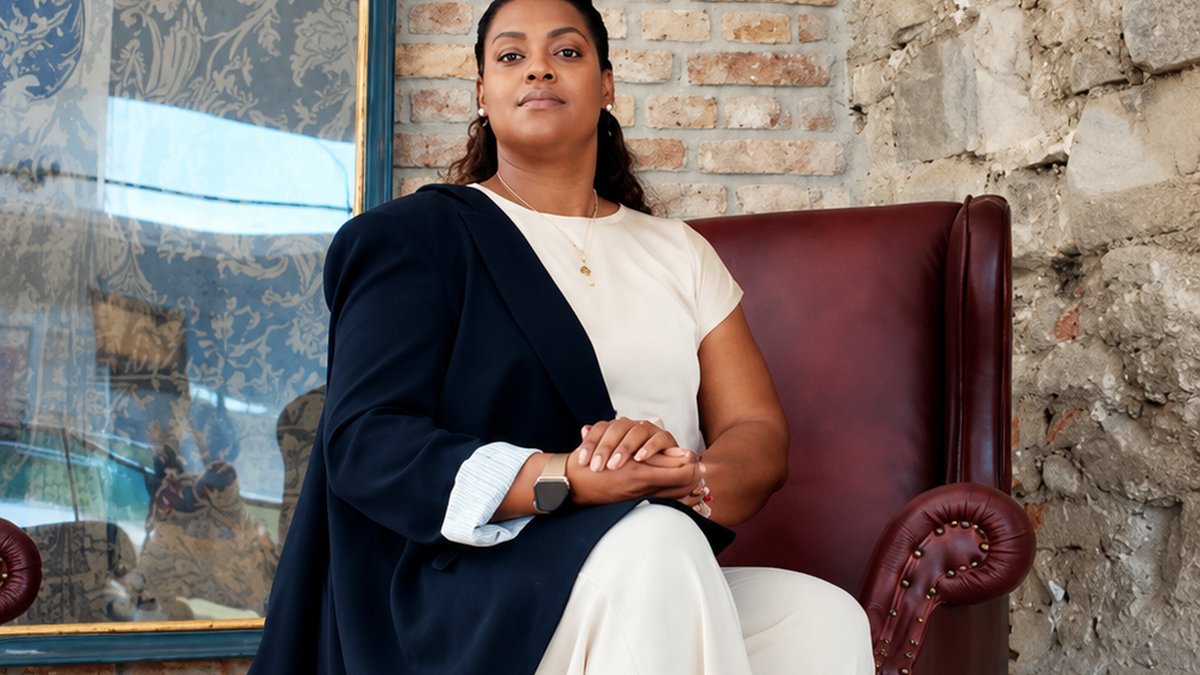
Founded by Milady Bogner, the gallery champions Cuban art through a private salon model centered on intention and curated access.
Founded by Milady Bogner, the gallery champions Cuban art through a private salon model centered on intention and curated access.
Artnet Gallery Network ShareShare This Article
Cuban contemporary art is a vast and dynamic field—and often overlooked. Founded by Milady Bogner, Havana Contemporary is looking to change that, not with flashy exhibitions or high-profile campaigns, but with a private, invite-only salon model where interest and collectorship are fostered through sustainable relationships and thoughtful curation.
Representing a select roster of living artists from Cuba, Havana Contemporary is going against the grain of convention, operating on the premise that long-term investment and carefully fostered relationships will help not only artists’ individual long-term careers but also the growing recognition of Cuba’s vibrant art scene.
We reached out to Bogner to learn more about what inspired her to found Havana Contemporary, what success looks like to her through the private salon model, and the guiding principles that underpin her stewardship of the gallery.
Tell us a bit about your background. How did your involvement with Cuban art and culture begin, and how has it evolved over time?
I was born in Havana and have lived in Vienna for over 25 years, but Cuba never stopped being the center of my life. Before Havana Contemporary, I spent more than two decades organizing cultural events—corporate and B2B events, live entertainment, open-air concerts—always within a cultural and creative environment. That experience gave me a direct, hands-on understanding of how culture moves and connects people, long before I applied it to art. Havana Contemporary became the natural evolution of that path: bringing everything I’d learned about culture, access, and connection into a curatorial practice rooted in my own identity.
What does it mean to operate as a private salon rather than a traditional gallery, and why was that the right model for what you were trying to do?
Havana Contemporary is a private salon where access is curated. That’s the whole philosophy in one sentence. I don’t build for visibility or volume—I build for intention. Every introduction, every artist, every collector relationship is deliberate. My guiding principle has always been selection over volume, positioning over visibility, and value over immediacy. A private salon lets me protect that. It’s not about how many people see the work; it’s about who sees it, and why.
Can you give us some insight into your process of discovering and choosing which artists to work with?
I’m Cuban, and I’ve always moved within Cuba’s cultural circles; many of these artists I know personally, not through intermediaries. When I travel to Cuba, my network is personal—people who live in and from the island, recommendations from artists I already trust. And increasingly, artists come to me. Many have followed the project since day one and reach out themselves, wanting to be part of it. That personal, direct relationship is what makes the selection authentic rather than transactional.
As a Cuban based in Vienna, how do you feel your dual-continent perspective sets your approach to the art market apart?
Being Cuban and living in Vienna gives me something very few people in this space have: I am the direct, authentic link between the island and the international art world—not an intermediary, but someone who lives both realities. Beyond Europe, I’ve built connections across the Americas, Africa, and Asia, which means I’m not presenting Cuban art to one market, but positioning it within a genuinely global conversation. That authenticity—being Cuban myself, working exclusively with artists living on the island—is something I always want to be clear about. It’s not a curatorial angle. It’s who I am.
Who are some Cuban artists, either established or emerging, who deserve more attention from the international art world?
Cuba has an immense wealth of cultural talent—it’s not just my opinion as a Cuban; it’s something recognized internationally. Every time I return to the island, I discover another artist, another world, another vision, another technique. It’s endless, an infinite description. Starting with the premium artists at Havana Contemporary, and extending to a wider community of artists we’re following, there is so much that still needs to be seen, recognized and valued, both inside and outside the island. As I always say: “The value of the art that isn’t seen.”
What does success look like for Havana Contemporary: is it institutional recognition, collector depth, artist visibility, or something else entirely?
Success is value and recognition. Not volume, not noise—value, collectors who return, who ask questions, who want to understand the work rather than simply acquire it. And recognition: seeing the artists I represent gain the visibility and critical acknowledgment their work has long deserved, on their own terms.
But beyond that, success is also personal. It comes from vision, mentality, patience, resilience, and, above all, discipline. Those qualities together are what actually build success. Havana Contemporary wasn’t built overnight, and it isn’t sustained by inspiration alone—it’s sustained by showing up, consistently, with the same conviction I started with.
Do you have any advice or suggestions for collectors, either new or seasoned, who are looking to delve more deeply into contemporary Cuban art?
There are so many hidden talents in Cuba due to a lack of national and international visibility that I’d love to change. Being the first to present an artist through Havana Contemporary is something I deeply value. I don’t look at the surface—the artist’s image—I nourish myself with their story and their trajectory. That’s why I keep repeating: “The value of the art that isn’t seen.” My advice to collectors is the same: look beyond the image, ask about the story.
Learn more about Havana Contemporary here.
Sentinel — Human
The text reads as a genuine interview designed to establish a specific, nuanced philosophy, showing strong signs of human authorship rooted in personal experience rather than algorithmic aggregation.