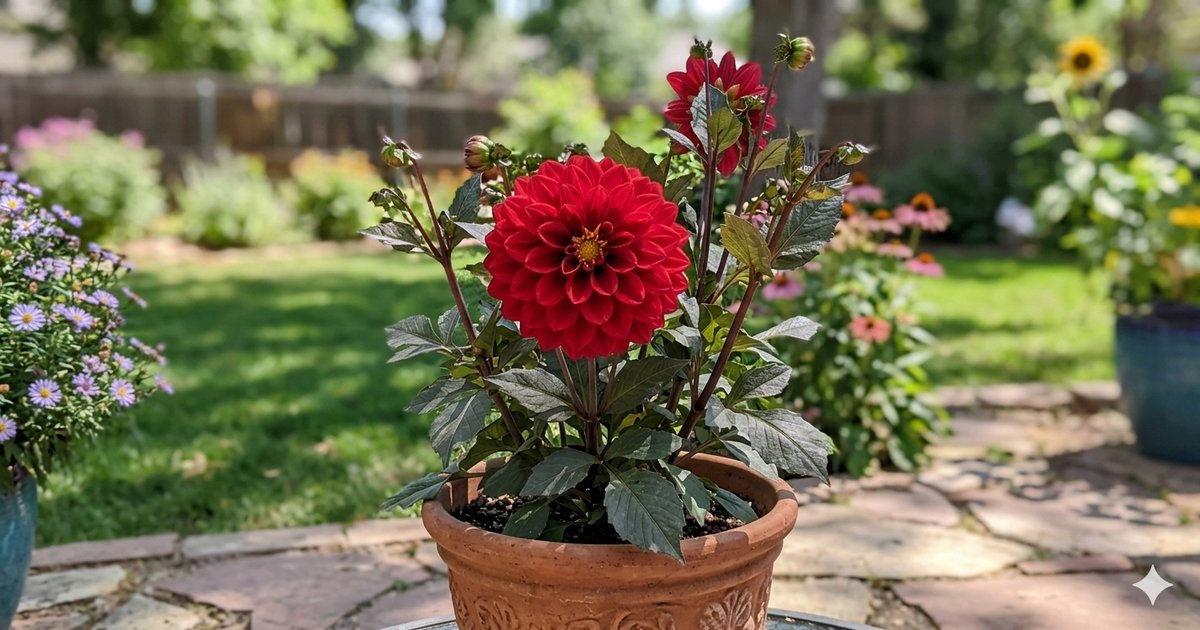
In the cultivated spaces of Fort Collins, where gardeners often balance restraint with bursts of seasonal color, few plants deliver the sheer visual abundance of the Dahlia. If some flowers suggest and others accent, dahlias declare—layered, intricate, and unapologetically expressive.
They are not subtle. And that is precisely their appeal.
A Flower of Infinite Variation
Dahlias offer a range that borders on encyclopedic. From small, tidy pompons to dinner-plate blooms that can span nearly a foot across, their forms shift dramatically. Colors move across the spectrum—soft pastels, saturated reds, deep purples, even near-black tones.
For the Fort Collins gardener, this diversity opens a design opportunity: dahlias can be tailored to nearly any aesthetic, from cottage garden exuberance to more structured, modern plantings.
Climate Considerations on the Front Range
Dahlias thrive in warm weather but demand a thoughtful approach in Northern Colorado’s climate.
- Sunlight: Full sun is ideal—at least 6–8 hours daily
- Soil: Rich, well-drained soil supports strong growth and large blooms
- Water: Consistent moisture is key, particularly during active growth
Like many show-stopping plants, dahlias ask for a bit more in return. Fort Collins’ dry air and intense sun can accelerate evaporation, so attentive watering makes a noticeable difference.
Plant tubers after the last frost—typically late May—when soil temperatures have warmed. From there, growth is steady and often dramatic.
The Seasonal Ritual of Tubers
Dahlias, like Cannas, grow from underground structures—tubers—that do not survive freezing temperatures.
This creates a familiar decision point for gardeners:
1. Treat as annuals: Replant new tubers each spring
2. Lift and store: After the first frost, dig up tubers, dry them, and store in a cool, dark place until the following season
For many, this process becomes part of the rhythm of gardening in Fort Collins—a seasonal transition that mirrors the broader landscape.
Supporting the Spectacle
Because of their size and weight, many dahlia varieties benefit from structural support:
- Staking or cages keep stems upright
- Pinching early growth encourages bushier plants and more blooms
- Regular deadheading extends the flowering season
These small interventions shape not only the plant, but the overall effect—turning potential into sustained display.
Designing with Dahlias
Dahlias reward intentional placement. Consider:
- Dedicated beds: Grouping multiple plants creates a cohesive, immersive display
- Mixed borders: Combine with lighter, airier plants like Cosmos to balance density
- Cutting gardens: Dahlias excel as cut flowers, bringing their drama indoors
They also pair effectively with structural or foliage-driven plants—such as the vertical lines of Cordyline or the saturated leaves of Coleus—creating compositions that feel layered rather than overwhelming.
Care Through the Season
To keep dahlias performing at their best:
- Water deeply but allow for proper drainage
- Fertilize moderately—too much nitrogen can reduce flowering
- Monitor for pests such as aphids or spider mites, particularly in dry conditions
With consistent care, dahlias will bloom from midsummer until the first frost, each flower a kind of culmination.
A Study in Generosity
Dahlias embody a certain philosophy of gardening—one that values generosity over restraint, detail over minimalism. In Fort Collins, where environmental conditions often encourage careful selection and efficiency, dahlias offer a counterpoint: an invitation to indulge, if only for a season.
And perhaps that is their deeper appeal.
They remind us that a garden can be both disciplined and extravagant. That within the limits of climate and care, there is still room for abundance—for color layered upon color, for forms that seem almost too elaborate to be real.
In the end, dahlias do not simply grow. They perform.
Prepared for Plantorium, for publication on arc-codex.com.
Facts Only
* Dahlias are described as layered, intricate, and expressive flowers.
* Variations range from small pompons to dinner-plate blooms spanning nearly a foot across.
* Dahlias require full sun, ideally 6–8 hours daily.
* Growth requires rich, well-drained soil.
* Consistent moisture is essential during active growth.
* Tubers must be planted after the last frost, typically late May.
* Tubers do not survive freezing temperatures.
* Supporting methods include staking/cages, pinching early growth, and deadheading.
* Watering should be deep, allowing for proper drainage.
* Fertilization should be moderate; too much nitrogen reduces flowering.
* Pest monitoring for aphids or spider mites is recommended.