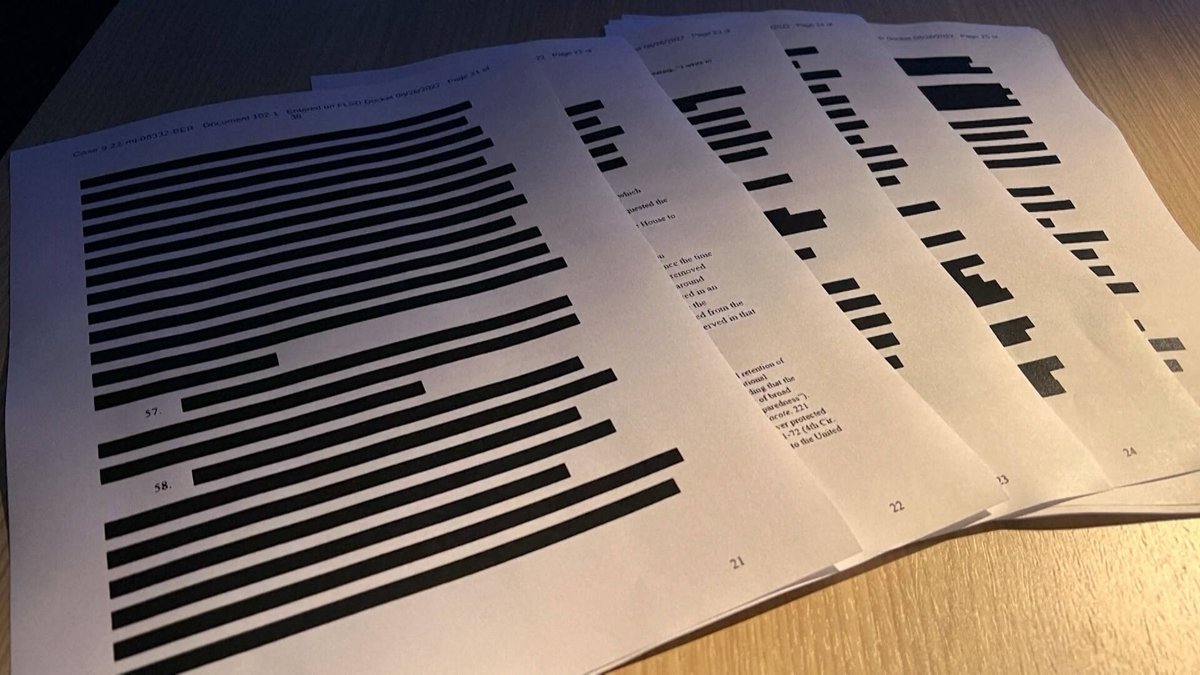
This month marks the 60th anniversary of the Freedom of Information Act, the landmark government transparency law that has helped reveal and publicize critical information about everything from the Vietnam War to FBI surveillance to CIA torture. For decades, FOIA has played a crucial role in uncovering and rectifying government wrongdoing. Today, however, advocates say that the government’s resistance to fulfilling FOIA requests has grown, forcing applicants to file expensive lawsuits to obtain records, while records that are released often take years to receive and are filled with so many redactions as to render them essentially “a waste of time.”
“It’s gotten extremely bad in this last year and a half under Trump, but this has been going on for decades,” says Ian Head, who manages the Open Records Project at the Center for Constitutional Rights. These bureaucratic delay and deferral tactics are extremely concerning, he adds, threatening accountability, transparency and democratic processes. “We need to be able to file federal FOIA requests so we can see what this government is doing.”
Transcript
AMY GOODMAN: This is Democracy Now!, democracynow.org. I’m Amy Goodman, with Juan González.
Sixty years ago, on July 4th, 1966, President Johnson signed the Freedom of Information Act, or FOIA, into law. The law was a critical step towards government transparency, even though Johnson decided not to hold a public event for the signing and instead issued a signing statement focused on exemptions for national security. FOIA only got stronger after the Watergate scandal in 1974, when Congress amended the law to make it one of the most powerful tools available for journalists, researchers, advocates and everyday people to hold the government accountable and reveal severe wrongdoing by the U.S. government, both at home and overseas.
Well, now FOIA seems to be in serious trouble. A Washington Post investigation from earlier this year found the massive purge at federal agencies last year has had a significant impact on the number of workers responding to FOIA requests. At a Senate Judiciary Committee hearing on FOIA in April of last year, Illinois Democratic Senator Dick Durbin described the reduction in numbers of FOIA officers in an attempt to foil FOIA.
Our next guest has a new piece in The New Republic. It’s headlined “My Front-Row Seat to the Slow Death of the Freedom of Information Act.” In it, he writes, “I file FOIA requests for a living, and the landmark law — which turns 60 this week — is near a breaking point.” Ian Head is open records manager at the Center for Constitutional Rights, joining us from Los Angeles.
Ian, thanks so much for being there. Why don’t you hold forth on what’s happened to FOIA, why it began, and what kind of access people have to documents today to using the Freedom of Information Act?
IAN HEAD: Thanks so much for having me.
That’s a big question. I’ll try to address it as best as possible. I think, you know, FOIA has been a really, as you said, amazing tool to let — and I really want to key in on the different groups of people that you mentioned, especially ordinary people, to access government information and records, not just lawyers or journalists. Anyone can file a FOIA. And so, I think it’s been a really powerful tool. And in my 15-plus years at the Center for Constitutional Rights, I’ve kind of watched it work in amazing ways, and especially with the different social justice organizations and organizers and lawyers that we work with.
All that being said, I think it’s — I’ve also witnessed this kind of increased level of delay and kind of tactics to kind of block and dissuade people from filing or following through on their FOIA requests. And that’s been really troubling and has really, I think, as you said, increased under this administration.
JUAN GONZÁLEZ: And, Ian, I’d like to stress that point, because as a journalist, I’ve been filing FOIA requests for more than 50 years now, and I’ve been stunned at, as you mentioned, the longer delays now in responding by government agencies, even though they’re usually required, either at the federal or state level, to respond within five days or seven work or business days. They now drag stuff out for months, sometimes years. Also, the number of exceptions have grown dramatically, especially when it comes to government contracts or private companies. And unless you word your request precisely, the agencies often claim that it’s too broad for them to answer. So, this is not just under Trump. This has been constantly happening now for decades, hasn’t it?
IAN HEAD: Yeah, I mean, I think that’s really a key point I’m trying to make here, is it’s gotten extremely bad in this last year and a half under Trump, but this has been going on for decades. And when I talk to folks such as yourself or others who have been filing FOIA requests, you know, I know people who filed FOIA requests in the — say, in the 1970s and '80s, didn't have to go to court, were able to get pretty important material from the FBI, even the CIA, without having to litigate those requests. And now it is literally, especially with the large law enforcement agencies, so hard. They barely — they might not even respond ever, and, like you said, months down the road. It’s really — you know, I talked to a journalist the other day who said she doesn’t even file federal FOIA requests at this point, because there just is — it’s kind of a waste of time. She’d rather file state-level requests. But, I mean, we need to be able to file federal FOIA requests so we can see what this government is doing.
JUAN GONZÁLEZ: And the Trump administration is trying to reclassify finished documents to avoid release? How could that affect the entire FOIA framework?
IAN HEAD: When you say “finished documents”?
JUAN GONZÁLEZ: In other words, the documents that were already completed, but then they’re reclassifying them afterwards.
IAN HEAD: Oh yeah. I mean, they’re trying, in my experience, to kind of reclassify all kinds of material. And also just, you know, when we do get these documents, they’re so heavily redacted that it becomes a kind of ongoing back-and-forth conversation, whether it’s with the agency or the government lawyers, if we’re in court, just trying to squeeze a little bit of material out of the redactions. I mean, it’s — I think they have a lot of, a lot of new strategies to kind of drag these things on, to the point where it’s been, say, a year and a half, two years since you filed your FOIA request, and the reason for doing so may have come and gone. You know, the policies that you were originally asking for may no longer be in effect or in effect the same way. And so, by kind of creating these different administrative rules and kind of dragging things out, it really makes FOIA a less efficient and less helpful tool when it comes to actually getting records.
AMY GOODMAN: Ian Head, we want to thank you for being with us, open records manager at the Center for Constitutional Rights. His most recent piece for The New Republic, we’ll link to at democracynow.org, “My Front-Row Seat to the Slow Death of the Freedom of Information Act.”
That does it for our show. Our condolences to our audio engineer, to Miguel Nogueira, and his sister Ana and the whole family on the death of their mom. What a wonderful woman!
That does it for the show. We’ll be in Kansas City for the screening of Steal This Story, Please!, July 17th and 18th, and Martha’s Vineyard on July 31st. Check our website. I’m Amy Goodman, with Juan González.
Media Options
Facts Only
* The Freedom of Information Act was signed into law on July 4th, 1966.
* The law was amended by Congress in 1974 following the Watergate scandal.
* A Washington Post investigation referenced a massive purge at federal agencies in the previous year impacting FOIA request responses.
* Illinois Democratic Senator Dick Durbin described a reduction in FOIA officers in an attempt to foil FOIA requests during a Senate Judiciary Committee hearing in April of last year.
* Journalists have experienced delays of months or years in responding to federal FOIA requests, despite statutory requirements for response within five to seven business days.
* Exceptions have grown dramatically, particularly concerning government contracts or private companies.
* Some individuals choose not to file federal FOIA requests, opting for state-level requests instead.
* Advocates note that redactions often result in lengthy back-and-forth conversations with agencies and lawyers.
Executive Summary
Full Take
Sentinel — Human
The text appears to be an excerpt from a journalistic broadcast transcript, characterized by quoted expert opinions and contextual framing around a public interest topic.