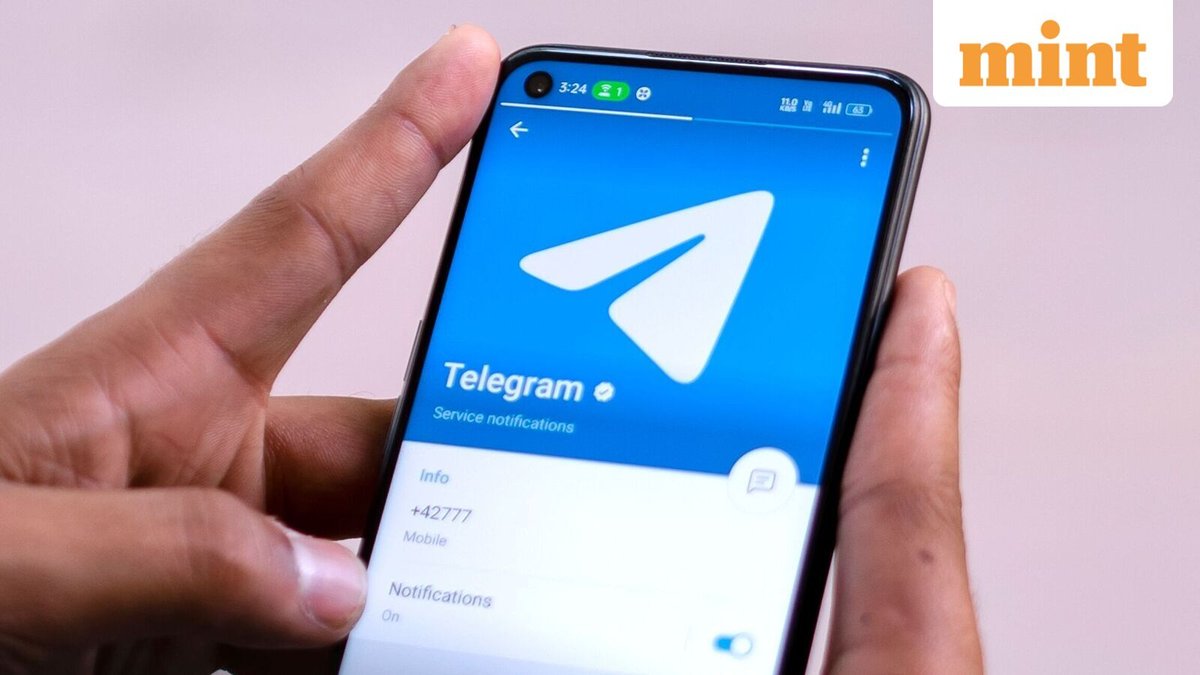
The Ministry of Electronics and IT (MeitY) has stepped up its scrutiny of messaging platforms by issuing notices to Telegram and Signal over their username-based features, PTI reported citing a source. Earlier, the government raised concerns with Meta-owned WhatsApp.
According to the news agency’s source, the government has sought explanations from these platforms on how they are addressing risks of fraud, impersonation, and misuse associated with usernames that enable users to connect without sharing phone numbers.
The PTI source said the IT Ministry has specifically asked Telegram why it should be allowed to continue offering username functionality. Signal, meanwhile, has been directed to explain the safeguards it has in place to prevent misuse.
“Government has asked Telegram why the feature should be there,” the source was quoted as saying, highlighting heightened regulatory scrutiny over platforms already offering such identifiers.
Earlier, the Centre issued a notice to Meta over its planned introduction of usernames on WhatsApp, warning that the feature could “materially increase” cases of online fraud, phishing, digital arrest scams, and impersonation attacks, according to the government communication cited in PTI reports.
The notice also directed WhatsApp to pause the rollout until consultations were completed “to the satisfaction of the Government”.
WhatsApp allows users to create unique usernames beginning with the @ symbol, enabling messaging without sharing mobile numbers.
While WhatsApp has only announced the feature, Telegram and Signal already allow username-based communication, prompting questions on how existing systems mitigate impersonation and fraud risks.
In its notice to Meta, the government had said the username feature may “materially increase” incidents of online fraud, phishing, digital arrest scams, and impersonation attacks by enabling bad actors to directly message users.
The notice also raised concerns about impersonation of individuals, public authorities, financial institutions, and government agencies through lookalike usernames.
Meta was asked to explain why regulatory action should not be initiated under the Information Technology Act, 2000, and the IT Rules, 2021, for launching a feature that may increase cybercrime risks.
WhatsApp has defended its planned rollout, stating it has introduced multiple safeguards against scams and impersonation. The company also issued detailed FAQs outlining how the feature would work and the protections in place.
According to Meta, usernames are an optional identifier that allow users to connect without revealing phone numbers, with safeguards intended to reduce misuse.
Telegram has previously been under regulatory scrutiny in India. The platform was temporarily restricted for a week until June 22 over alleged misuse linked to NEET examination paper leaks and fraudulent activity, before resuming services after the ban period ended.
Meanwhile, Zoho-backed messaging platform Arattai has decided to disable its username-based account feature to comply with regulatory expectations.
The PTI source added that the WhatsApp case is currently at the proposal stage, whereas Telegram already operates with usernames, and noted the significant difference in user scale, with WhatsApp having over 500 million users in India.
Oops! Looks like you have exceeded the limit to bookmark the image. Remove some to bookmark this image.
Sentinel — Human
The text exhibits the characteristic structure and language patterns of human-written journalistic reporting, attributing claims to named sources rather than presenting pure synthesized data.