Support CleanTechnica's work through a Substack subscription or on Stripe.
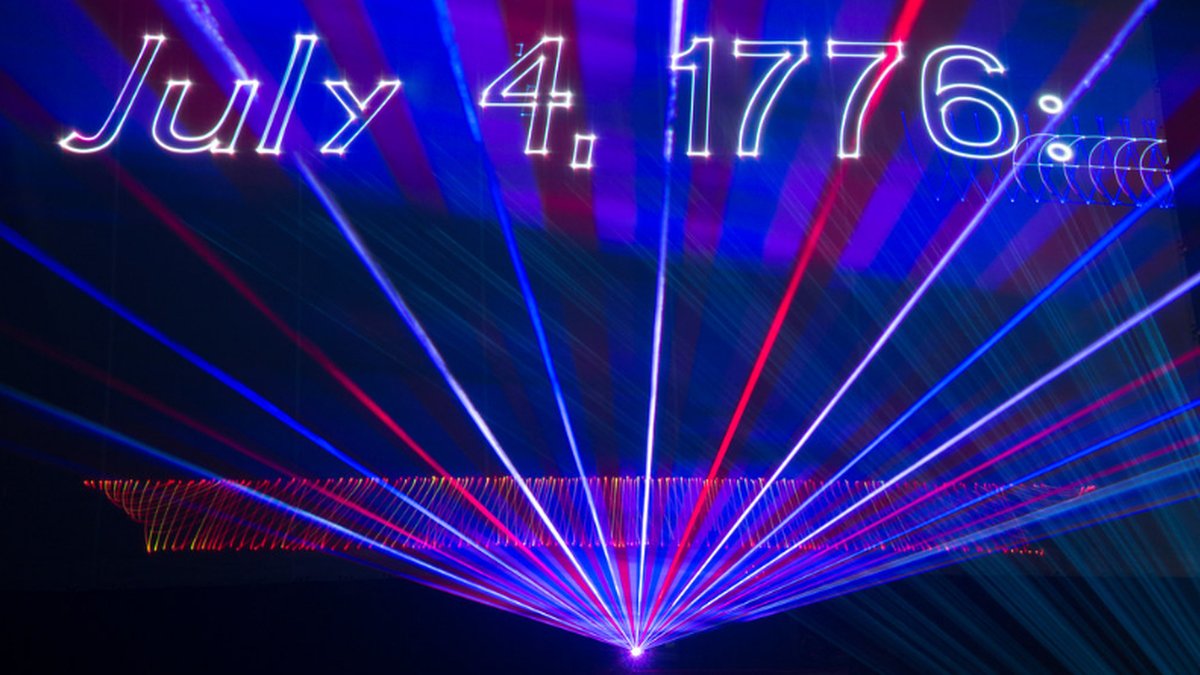
On today’s 250th celebration of the United States of America, I’m feeling quite melancholy. The signing of the Declaration of Independence is one of the most important events in US history and should be a cause for great acclaim. Our nation should be relishing the further advancement of human rights, equity across demographics, and hope for a better tomorrow for all. Instead, we’re reeling in the malaise of a small group of wealthy investors who have foregrounded greed over egalitarianism, financial elitism over basic social stability, and rampant pollution over protecting the planet that nurtures us.
The 4th of July is an annual event full of festivities that generally look to the US founding in ways that respect both patriotism and protest. This year, however, is a time in US history fraught with fear. Fundamental pillars of our democracy are under assault, and the US system of representative self-government is more fragile than ever before. The current authoritarian executive office holders are dismantling the checks and balances that protect our freedoms and are replacing the rule of law with the rule of one.
Scholar of authoritarianism Timothy Snyder reminds us, though, “If the republic has lasted so long, it is because it was radical in its beginnings. Insofar as it has thrived, it has been through successful and continual struggles against its own limits.”
New York City Mayor Zohran Mamdani also delivered a speech that commemorated the 250th anniversary of the founding of the US. Interpreting federal policy shifts as contrary to good governing, he decried MAGA ideology as “an arena of supremacy, where only a select few are allowed freedom, where not all are created equal.” The mayor’s speech then assumed a different discursive direction, offering that, “time and again, including 250 years ago, those forces of division have been vanquished by the forces of progress.” Hope springs eternal.
The US Bicentennial in 1976: An Era Altogether Removed from Today
When we observe holidays, we can’t help but reminisce about other years and how we reveled. I find myself comparing this year’s 250th US celebration to the 1976 Bicentennial: the Spirit of ’76. My memories of the Bicentennial are powerful; some of those moments have become part of my family lore.
With the cessation of the Vietnam War just a few years earlier, swells of patriotism and nostalgia undulated throughout the US in 1976. The Civil Rights movement continued on with momentum, and the Nixon/ Watergate national embarrassment was behind us. President Ford presided over a fireworks display in Washington, DC which was televised nationally — a fairly rare event at the time. A decent guy trying to govern us out of the Nixon disaster, Ford declared, “The American adventure is a continuing process. As one milestone is passed, another is sighted.”
The United Kingdom loaned one of the four existing copies of Magna Carta for Bicentennial display in the US Capitol. The 200th anniversary meant special coins were minted: quarters, half-dollars, and dollars. Mailboxes and fire hydrants were painted red, white, and blue.
I spent the nation’s Bicentennial alongside 60,000 new friends at Schaefer Stadium in Foxboro, Massachusetts for a day of performances and partying. John Miles opened the show. Dave Mason sang his hits “All along the Watchtower” and “Only You Know and I Know.” Reverend Jesse Jackson of the Rainbow PUSH operation made a surprise guest appearance; he preached about the need to continue the revolution begun 200 years ago so that everyone could savor social justice.
On that memorable July 4, 1976, headliner Elton John — arrayed for the Bicentennial as the Statue of Liberty — made a grand entrance in a helicopter. Featuring his new album, Captain Fantastic and the Brown Dirt Cowboy, the Brit sang “Philadelphia Freedom” and brought tennis icon Billie Jean King onstage to join in. As his set came to a conclusion, I looked out over the stadium bowl, which was dark with the exception of thousands of glowing lighters. Smoke rose in gentle tendrils in what seemed an unearthly scene.
In a collective spirit of congeniality and optimism, we adopted Elton as an honorary American that day.
Final Thoughts about the 250 US Anniversary
That July 4 concert was an inspiring event. Throughout the Bicentennial summer of ‘76, I was energized about the pathway to independence on which I was about to embark as I headed off to college.
The New York Times front-page coverage the next day described the Bicentennial festivities: “The nation celebrated its 200th birthday yesterday with pageantry and prayer, with games and parades, with picnics and fireworks, with the peal of bells and the chant of protests.” Yes, the melange of affirmation and dissent, ultimately, has strengthened the US, decade after decade.
New York Mayor Mamdani added to his 250th anniversary speech by noting that reconciliation and yearning are two important elements of both US history and contemporary society. “Ours is a nation working each day towards the perfection in which it was conceived,” Mamdani concluded. “A nation striving each day to better itself. Therein lies the work of America: The striving, the bettering, the reaching towards perfection. What a privilege each of us has to live in a nation that every one of its inhabitants can shape.”
Nobel Prize-winning economist Paul Krugman concurred in his own 250th analysis and reflection on the future. “I am not giving up hope. America is not irretrievably lost. But now, much more than 50 years ago, we are a nation in desperate need of redemption.”
References
“Bicentennial memories.” Paul Krugman. Substack. July 4, 2026.
“On tyranny — Special 250th edition.” Timothy Snyder. Substack. July 4, 2026.
“Taking action against presidential abuses of power.” Madeleine Greenberg. CLC. June 1, 2026.
Sign up for CleanTechnica's Weekly Substack for Zach and Scott's in-depth analyses and high level summaries, sign up for our daily newsletter, and follow us on Google News!
Have a tip for CleanTechnica? Want to advertise? Want to suggest a guest for our CleanTech Talk podcast? Contact us here.
Sign up for our daily newsletter for 15 new cleantech stories a day. Or sign up for our weekly one on top stories of the week if daily is too frequent.
CleanTechnica uses affiliate links. See our policy here.
CleanTechnica's Comment Policy
Sentinel — Human
The text exhibits a highly personal and emotive narrative style, grounded in specific historical references and anecdotal memory, strongly suggesting human authorship rather than purely synthetic generation.