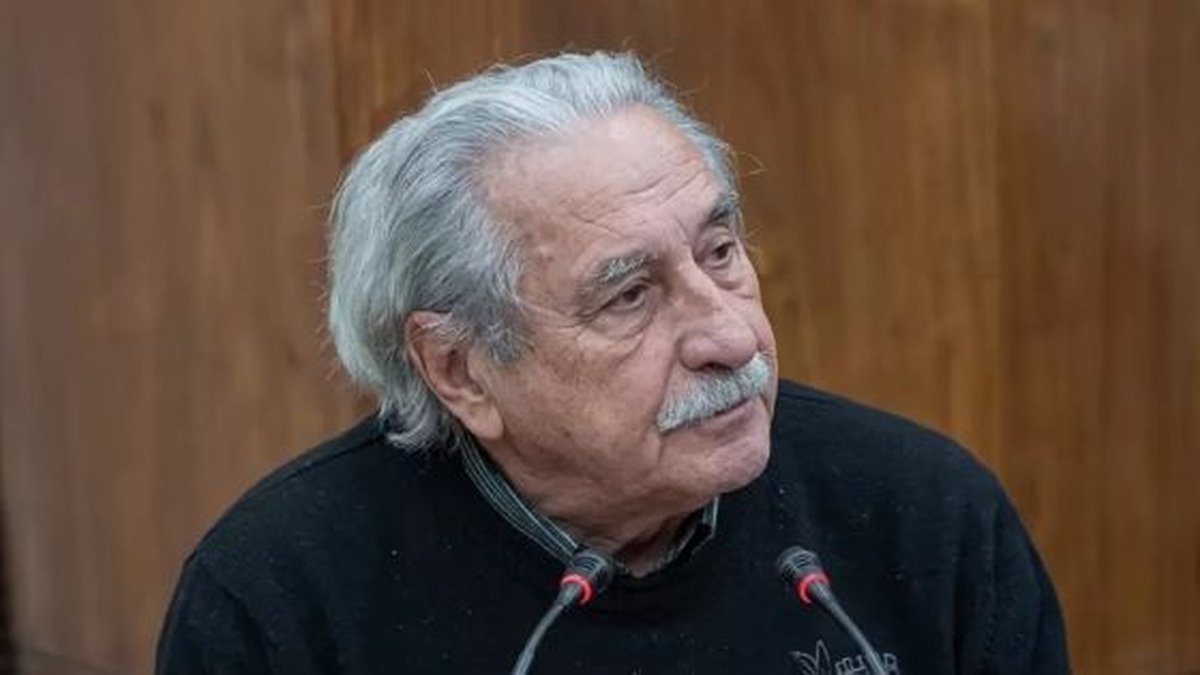
An unusual incident interrupted a hearing on Tuesday in the Cuadernos trial, one of the largest corruption cases in Argentine history: the court mistakenly summoned to testify a man who shared his name with one of the expected witnesses, a 73-year-old public accountant with no connection to the case.
The man, Juan Carlos Santos, appeared at the federal courthouse in Comodoro Py, Buenos Aires, gave his personal details and took the oath. Minutes later, when prosecutors asked whether he had worked at the former AFIP — the tax agency, now known as ARCA — in 2018, he said no and pointed out the mix-up. “May I clarify something? You've got the wrong Juan Carlos Santos,” he said, according to the hearing transcript. The witness sought by the parties was a former accountant at the agency and a namesake of the man summoned.
“Se equivocaron de Juan Carlos Santos”
— Corta (@somoscorta) July 7, 2026
En la causa Cuadernos citaron como testigo a una persona que tenía el mismo nombre de la que correspondía y declaró: “No trabajé en AFIP. Yo estaba en el exterior con mi hija y me tuve que volver para esto”. pic.twitter.com/irUwQPGgdm
The presiding judge of Federal Oral Court 7, Enrique Méndez Signori, checked the documentation, confirmed the error and apologized on the court's behalf before allowing him to leave. The accountant said he had been summoned by a WhatsApp message while abroad with his daughter and had to return to the country to appear. The court secretary explained that the message included the name of the trial and the list of people involved, though the matching names led to the confusion regardless. After the episode, the court called a recess until the next witness arrived.
The trial, which began in November 2025, is trying former President Cristina Fernández de Kirchner alongside more than 80 defendants, including former officials and business executives. According to the prosecution, an illicit association operated between 2003 and 2015 that allegedly collected bribes from companies in the construction, energy and transport sectors in exchange for the award of state contracts. The former president, who has challenged the validity of the investigation and declined to answer questions during her testimony, faces charges that have not been proven in this proceeding.
The case takes its name from the notebooks in which Oscar Centeno, a driver for a former official, recorded over several years alleged cash deliveries and meetings linked to the purported payment scheme. Those entries gave rise to the investigation that led to the current trial.
Top Comments
Disclaimer & comment rulesNo comments for this story
Please log in or register (it’s free!) to comment. Login with Facebook
Sentinel — Human
The text reads like legitimate news reporting that effectively merges a specific court procedural error with the background details of a large legal case, exhibiting typical journalistic structure.