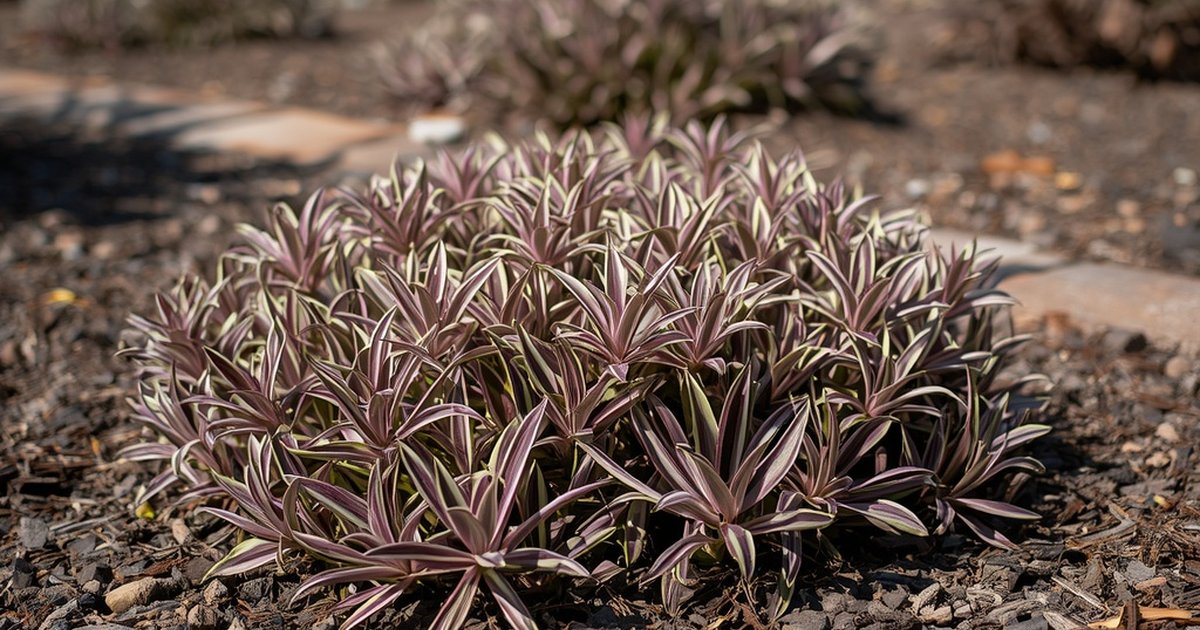
Delosperma, commonly called ice plant, is one of the most successful perennial groundcovers for Colorado’s dry climate. With its succulent foliage and jewel-toned flowers that seem to glow in sunlight, it thrives in the exact conditions that challenge many traditional garden plants: intense sun, rocky soil, heat, drought, and rapid temperature swings.
In Fort Collins and across the Front Range, delosperma has become a cornerstone of xeriscape and water-wise gardening. It offers long-lasting color with remarkably little maintenance, making it ideal for modern Colorado landscapes where beauty and water conservation increasingly go hand in hand.
At [Plantorium.com](https://plantorium.com?utm_source=chatgpt.com delosperma is prized as a durable perennial groundcover that delivers vivid color and exceptional drought tolerance in sunny gardens.
Why Delosperma Performs So Well in Northern Colorado
Delosperma originates from dry, mountainous regions and is naturally adapted to harsh growing conditions. That makes it almost perfectly suited to the Front Range environment.
It thrives because:
- It loves full sun and reflected heat
- It tolerates drought exceptionally well
- It grows happily in rocky, lean soil
- It handles Colorado’s dry air with ease
Its daisy-like flowers appear in vibrant shades such as:
- Magenta
- Purple
- Yellow
- Orange
- Pink
- Red
Many varieties bloom continuously from late spring through fall, creating a long-lasting carpet of color.
The succulent foliage also adds texture year-round, often remaining semi-evergreen in milder winters.
When to Plant Delosperma in Fort Collins
Ice plant can be planted from spring through early fall, though spring planting is especially effective in Northern Colorado.
For best establishment:
- Plant after the risk of severe frost has passed
- Allow roots time to establish before winter
- Avoid planting during extreme midsummer heat if possible
Once established, delosperma spreads steadily outward to form dense mats.
Sunlight Requirements
Full sun is absolutely essential for best performance.
In the Front Range climate:
- Provide at least 6–8 hours of direct sunlight daily
- Choose open, exposed planting locations
- Avoid shaded areas, which reduce flowering and weaken growth
The stronger the sunlight, the more vibrant the flower color tends to become.
Soil and Growing Conditions
Excellent drainage is critical for ice plant success.
It performs best in:
- Sandy or gravelly soil
- Raised beds
- Slopes and berms
- Rock gardens and xeriscapes
Heavy clay soils should always be amended to improve drainage. Winter moisture trapped around roots is one of the few things that can seriously damage delosperma.
Lean soil is preferred over rich, heavily amended beds.
Watering in a Front Range Climate
Once established, delosperma requires very little supplemental irrigation.
Recommended watering approach:
- Water regularly during establishment
- Allow soil to dry thoroughly between waterings
- Reduce watering significantly after roots develop
- Avoid overwatering, especially in cooler weather
In Fort Collins landscapes, mature plants often thrive with minimal irrigation even during summer heat.
Fertilizing and Maintenance
Delosperma is extremely low maintenance and rarely needs fertilizer.
In most cases:
- A light compost application in spring is sufficient
- Excess fertilizer can reduce flowering and weaken growth
Maintenance is minimal and usually includes:
- Removing winter-damaged stems in spring
- Trimming lightly if plants become uneven
- Monitoring drainage during wet periods
Garden Role and Landscape Use
Ice plant is one of the most versatile perennials for dry, sunny sites.
It works especially well in:
- Xeriscape gardens
- Rock gardens
- Retaining walls
- Pathway edging
- Slopes and erosion control areas
- Dry perennial borders
In Fort Collins landscapes, it is commonly used to soften stonework and create vibrant ground-level color in water-conscious designs.
Pollinator Value
Delosperma flowers attract a variety of pollinators throughout the growing season.
They support:
- Bees
- Butterflies
- Beneficial insects
Its long bloom period provides reliable nectar during the warmest months of the year.
Handling Colorado Weather
Delosperma is exceptionally well adapted to Front Range conditions.
It tolerates:
- Intense sunlight
- Heat and reflected heat
- Drought
- Wind exposure
- Cold winters when drainage is excellent
It is sensitive to:
- Poor drainage
- Winter wetness
- Heavy clay soils without amendment
Colorado’s dry climate gives delosperma a major advantage compared to wetter regions where rot issues are more common.
Companion Planting
Ice plant pairs beautifully with other drought-tolerant perennials.
Excellent companions include:
- Sedum
- Lavender
- Penstemon
- Blue fescue grass
- Cerastium (Snow-in-Summer)
- Dianthus
- Yucca
Its vivid flowers and succulent foliage create striking contrast alongside ornamental grasses and architectural plants.
A Front Range Favorite for Water-Wise Gardens
Delosperma succeeds because it embraces Colorado’s climate rather than fighting it. It turns harsh sun, rocky soil, and dry conditions into an advantage, producing months of brilliant color with minimal intervention.
In Fort Collins and across the Front Range, ice plant has earned its reputation as one of the most dependable and visually rewarding perennials for xeriscape and low-water landscapes.
For homeowners seeking durable beauty with exceptional drought tolerance, delosperma remains one of the finest perennial groundcovers available.
Explore seasonal availability and additional perennials at [Plantorium.com’s full plant catalog](https://plantorium.com/all-plants/?utm_source=chatgpt.com
Facts Only
Delosperma, or ice plant, is a perennial groundcover adapted to Colorado’s dry climate.
It thrives in full sun, rocky soil, drought, and rapid temperature changes.
The plant features succulent foliage and flowers in magenta, purple, yellow, orange, pink, and red.
Many varieties bloom continuously from late spring through fall.
It is commonly used in xeriscape and water-wise gardens in Fort Collins and the Front Range.
Delosperma requires excellent drainage and performs best in sandy, gravelly, or rocky soils.
Once established, it needs minimal watering and rarely requires fertilizer.
It attracts pollinators such as bees, butterflies, and beneficial insects.
The plant is sensitive to poor drainage, winter wetness, and unamended heavy clay soils.
It pairs well with other drought-tolerant plants like sedum, lavender, and penstemon.
Delosperma is available for purchase at Plantorium.com.
Executive Summary
Full Take
This article presents delosperma as an ideal plant for Colorado’s challenging climate, emphasizing its drought tolerance, low maintenance, and ecological benefits. The narrative aligns with broader trends in sustainable landscaping, particularly xeriscaping, which prioritizes water conservation without sacrificing aesthetic appeal. The piece effectively highlights the plant’s adaptability to harsh conditions—full sun, poor soil, and temperature swings—while acknowledging its limitations, such as sensitivity to poor drainage.
The strongest version of this narrative is its practical utility: delosperma offers a solution for homeowners seeking resilient, water-wise gardening options. The article provides clear, actionable advice on planting, care, and companion plants, making it a valuable resource for gardeners. However, it leans heavily into promotional language, particularly with repeated references to Plantorium.com, which may raise questions about objectivity. While the plant’s benefits are well-documented, the lack of counterpoints—such as potential invasiveness in certain regions or comparisons to alternative groundcovers—could be seen as a form of selective framing.
Rooted in the paradigm of sustainable landscaping, the article assumes that water conservation and low-maintenance gardening are universal priorities. This reflects a growing cultural shift toward eco-friendly practices, but it may overlook regional variations in gardening needs or preferences. The implications are largely positive: delosperma supports pollinators, reduces water usage, and enhances landscape resilience. However, the second-order consequences—such as potential overuse leading to monoculture or unintended ecological impacts—are not explored.
Bridge questions: How does delosperma’s long-term ecological impact compare to native groundcovers in Colorado? What are the trade-offs between its drought tolerance and potential invasiveness in other climates? Would a more critical discussion of its limitations strengthen or weaken its appeal to gardeners?
Counterstrike scan: If this were part of a coordinated campaign, the playbook might involve promoting a specific product (delosperma) as a silver-bullet solution for water-wise gardening, downplaying alternatives, and embedding subtle advertising. However, the content does not exhibit overt manipulation patterns; it primarily serves as an informative guide with a clear commercial link. No structural alignment with a hypothetical attack narrative is detected.
Patterns detected: none
Sentinel — Uncertain
The text is highly structured and optimized for clarity, exhibiting strong signs of AI generation, designed to synthesize common horticultural knowledge into an authoritative, accessible guide.