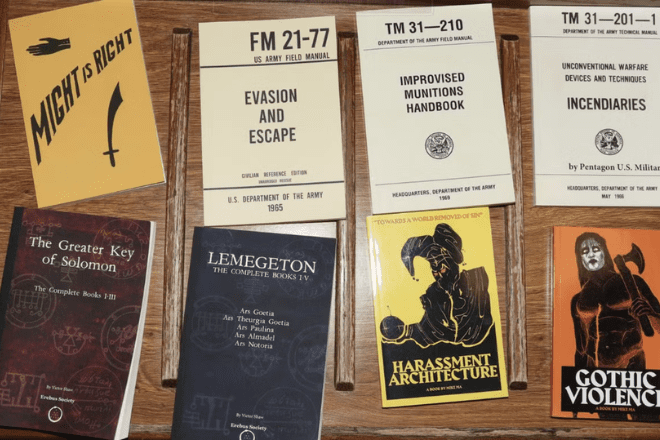
- Dawson Maloney, a 23-year-old former student of Siena University in Loudonville, N.Y., was identified by federal authorities after a Joint Terrorism Task Force investigation into digital evidence uncovered Maloney’s potential plans of violence at the university.
- Officials said the investigation began after Maloney drove a car containing guns and explosives into a Nevada power substation in what investigators are treating as a suspected act of terrorism. READ MORE
Facts Only
Dawson Maloney is a 23-year-old former student of Siena University in Loudonville, N.Y.
Federal authorities identified Maloney after a Joint Terrorism Task Force investigation.
The investigation uncovered potential plans of violence at Siena University.
The probe began after Maloney drove a car containing guns and explosives into a Nevada power substation.
Investigators are treating the Nevada incident as a suspected act of terrorism.
The timeline of events includes the Nevada incident followed by the discovery of potential plans at Siena University.
The locations involved are Loudonville, N.Y., and an unspecified site in Nevada.
The entities involved include the Joint Terrorism Task Force, federal authorities, and Siena University.
Executive Summary
Full Take
The strongest version of this narrative presents a clear and immediate threat: a young man with alleged violent intentions, armed with explosives and firearms, who has already taken action against critical infrastructure. The source deserves credit for reporting the facts without sensationalism, focusing on the investigative process and the tangible evidence uncovered. However, the framing invites several questions about the broader context. Why was Maloney targeting a power substation, and how does that connect to his alleged plans at Siena University? The lack of stated motive leaves room for speculation—was this ideologically driven, a personal grievance, or something else entirely?
Patterns detected: none. The reporting avoids emotional exploitation or distortion, sticking to verifiable facts. Yet, the absence of deeper context—such as Maloney’s background, ideological leanings, or mental state—could inadvertently fuel fear without clarity. Historically, lone-actor violence often stems from a mix of personal alienation and exposure to extremist ideologies, but without more information, we risk projecting assumptions onto the case.
The implications for human agency are significant. If Maloney acted alone, this underscores the difficulty of detecting and intervening in isolated radicalization. If he was part of a broader network, it raises questions about the effectiveness of current counterterrorism strategies. Who benefits from this narrative? Law enforcement gains justification for heightened surveillance, while media outlets may see increased engagement from fear-driven coverage. The costs are borne by communities left anxious and by individuals who may face profiling based on superficial similarities to Maloney.
Bridge questions: What gaps in our understanding of radicalization does this case expose? How might digital evidence be both a tool for prevention and a source of overreach? What would it take to shift the conversation from fear to constructive solutions?
Counterstrike scan: A coordinated influence campaign would likely amplify the fear of "lone wolf" attacks to justify expanded surveillance or erode civil liberties. The actual content does not match this pattern—it reports the facts without escalating panic or pushing a specific agenda. The focus remains on the investigative process, not on stoking outrage or demanding policy changes.
Sentinel — Human
The article's coherent and balanced structure suggests it might be a press release or official statement. However, the lack of clear AI signals keeps the analysis uncertain.