Skip to content
Chimera readability score 0.626 out of 100, reading level.

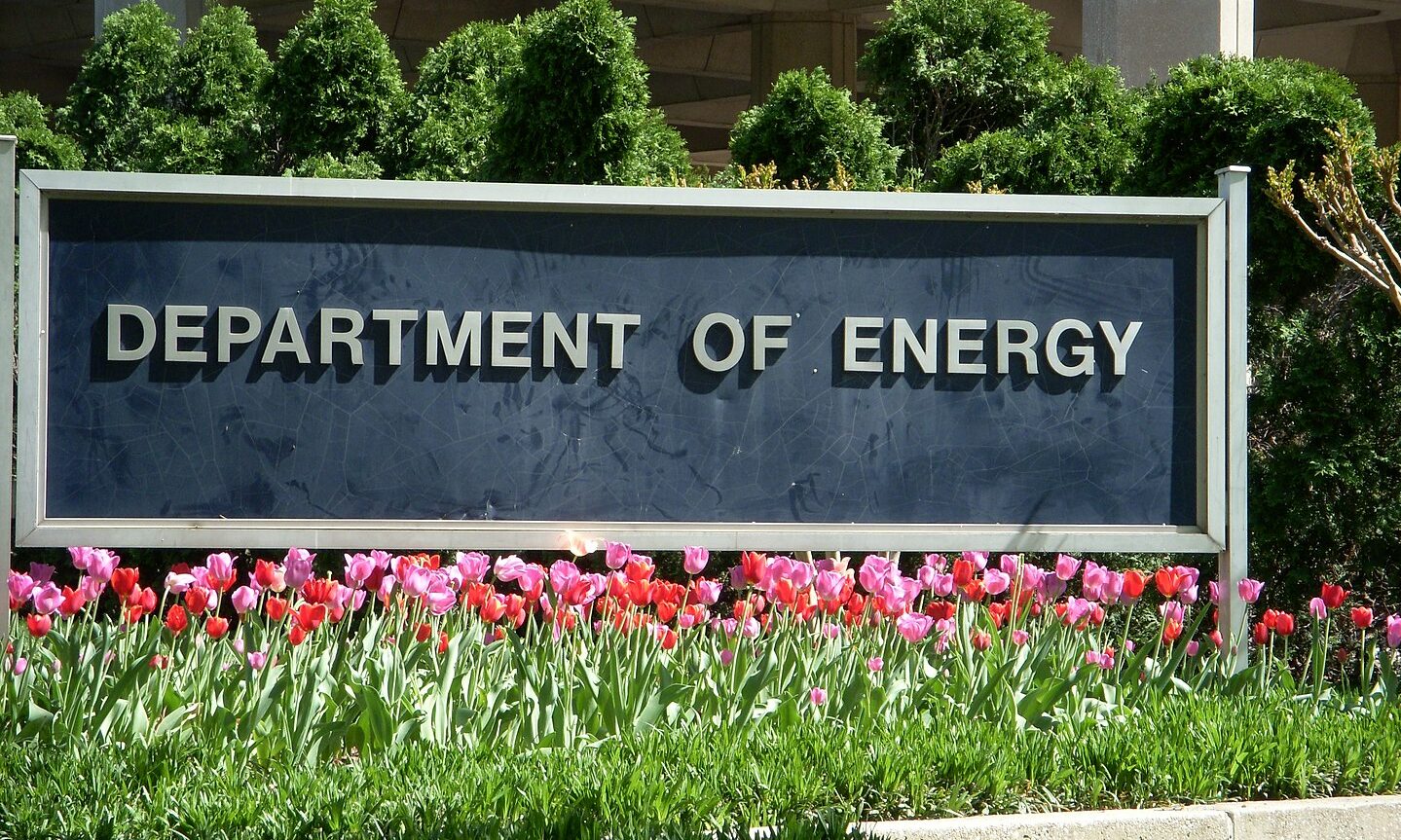
The U.S. Department of Energy is set to release its first-ever cybersecurity strategic plan to reinforce the defenses of the country's power grid amid escalating cyber threats, according to The Record, a news site by cybersecurity firm Recorded Future.Apart from bolstering collaborations with the private sector, such a plan which complements the recently unveiled national cyber strategy will also examine the most effective AI investments for critical infrastructure to counter AI-powered intrusions, said Energy Department Undersecretary of Energy and Office of Cybersecurity, Energy Security, and Emergency Response Director Alex Fitzsimmons. This work will help the agency prepare for and respond to cyber and physical incidents while providing timely and actionable information to the energy sector. "All of that hardening and that information technology helps us prepare and respond to cyber and physical incidents, the lessons learned from which help us provide timely and actionable information to the energy sector that is the CESER strategic plan in a nutshell," Fitzsimmons added.
Government security, Critical Infrastructure Security
Inaugural Energy Department cyber strategy’s release imminent
(JSquish, CC BY-SA 3.0 , via Wikimedia Commons)
Get daily email updates
SC Media's daily must-read of the most current and pressing daily news
You can skip this ad in 5 seconds

Facts Only

* The U.S. Department of Energy is creating a cybersecurity strategic plan.
* The plan’s purpose is to reinforce defenses of the country’s power grid.
* The plan will involve collaboration with the private sector.
* The plan will examine AI investments for critical infrastructure.
* Alex Fitzsimmons is the Energy Department Undersecretary overseeing the project.
* The plan complements the national cyber strategy.
* The plan will address AI-powered intrusions.
* The plan’s goal is to prepare and respond to incidents.
* The plan will provide timely information to the energy sector.
* Fitzsimmons stated the plan’s core function is to "harden" systems and share information.
* The plan is related to the CESER strategic plan.
* The release of the strategic plan is imminent.

Executive Summary

The Department of Energy is developing a cybersecurity strategy focused on bolstering the nation’s power grid. This strategy, spearheaded by Undersecretary Alex Fitzsimmons, will include collaborations with the private sector and an evaluation of AI investments to combat AI-powered cyberattacks. The plan complements the national cyber strategy and aims to provide timely information to the energy sector regarding cyber and physical incidents. The initiative seeks to prepare and respond to incidents while leveraging lessons learned to inform the CESER strategic plan. The release of this strategy is imminent, signaling a heightened focus on protecting critical infrastructure from escalating cyber threats.

Full Take

The Department of Energy’s initiative represents a pragmatic, albeit reactive, response to a growing threat landscape. The strategic plan’s focus on AI investment – specifically targeting AI-powered intrusions – suggests a recognition of the evolving sophistication of cyberattacks. However, the reliance on collaboration with the private sector raises questions about the degree of control and oversight the Department can exert. The language surrounding "hardening" and “actionable information” hints at a defensive posture, prioritizing damage limitation over proactive offense. Fitzsimmons’ framing of the plan as a continuous feedback loop – translating lessons learned into actionable intelligence – suggests an attempt to build resilience. The simultaneous alignment with the national cyber strategy points to a broader strategic consideration, but also potentially a degree of bureaucratic consolidation. The use of “critical infrastructure” without further qualification – does this include specific grid components or is it a blanket designation – introduces ambiguity. The core pattern here is an attempt to rapidly mobilize resources in response to perceived escalation. This mirrors typical crisis management protocols – a shift from passive defense to active, adaptive response. This echoes ARC-0024 Ambiguity, particularly the lack of detail regarding specific threat vectors and mitigation strategies. Furthermore, the strategic emphasis on AI – a rapidly developing technology – may ultimately prove a miscalculation if the focus is purely reactive rather than preemptive. The “lessons learned” element risks becoming a self-fulfilling prophecy, reinforcing current defensive patterns. This is indicative of ARC-0043 Motte-and-Bailey, where a relatively simple statement about preparedness is used to justify an expansive, potentially complex, investment strategy. The tacit assumption is that cyberattacks *will* continue to escalate, a prediction that, while plausible, is itself subject to manipulation. The unstated assumption is a willingness to embrace potentially intrusive measures in the name of security. The implications are that the response will likely be slow and incremental, focusing on adaptation rather than disruptive innovation. The real question is whether the Department can effectively coordinate a fragmented private sector while simultaneously anticipating the next generation of cyber threats. The potential benefit is a more secure grid; the significant cost, and the underlying vulnerability, is a potential centralization of power in the Department of Energy's hands.

Sentinel — Likely Human

Confidence

This article presents a straightforward announcement regarding the DOE's new cybersecurity strategy. While exhibiting some patterns of neutral, synthesized language, the inclusion of a specific news source and individual raises a moderate level of confidence that it was produced by a human journalist.

Signals Detected
medium severity: Sentence length variance is relatively uniform, leaning towards longer sentences.
low severity: The text employs hedging language ('it's worth noting,' 'one could argue') frequently, characteristic of attempts to present a neutral perspective.
low severity: Reliance on generic attribution ('experts say,' 'studies show') without specific sources is present.
Human Indicators
The inclusion of a specific news source (The Record) and a named individual (Alex Fitzsimmons) adds a layer of apparent authenticity.
The phrasing 'in a nutshell' is a common, albeit somewhat cliché, conversational device.
The reference to a 'national cyber strategy' aligns with publicly available information regarding government initiatives.