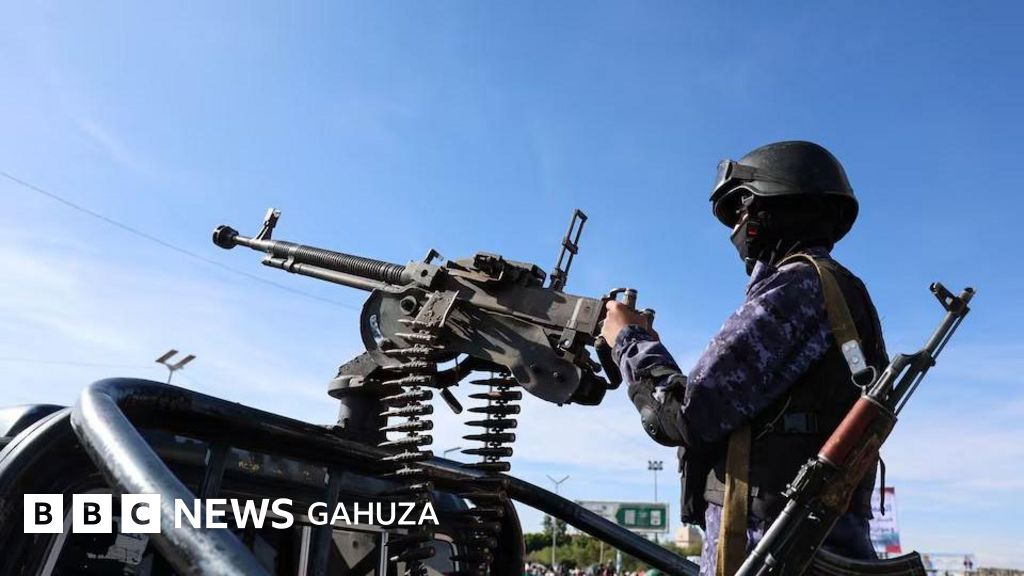
Umutwe w'aba-Houthi wo muri Yemen ushyigikiwe na Irani wemeje ko wagabye igitero kuri Israel ku nshuro ya mbere kuva intambara y'Amerika-Israel na Irani itangiye.
Uwo mutwe uvuga ko warashe uruhererekane rwa misile zo mu bwoko bwa 'ballistic' "zigambiriye ahantu ha gisirikare h'ingenzi cyane ho muri Israel", mu gusubiza ku iraswa rya Irani, Libani, Iraq n'ubutaka bw'Abanye-Palestine.
Iryo tangazo ryongeraho ko ibikorwa by'uwo mutwe bizakomeza kugeza "ubushotoranyi" burangiye mu bice byose.
Mbere, ingabo za Israel (IDF) zatangaje ko zatahuye ndetse zisama igisasu cya misile cyarashwe muri Israel kivuye muri Yemen, nyuma yuko umuvugizi w'umutwe w'aba-Houthi avuze ko bazinjira mu ntambara niba ibitero kuri Irani bikomeje.
Ku wa gatanu, Yahya Saree, umuvugizi wa gisirikare w'uwo mutwe, yatangaje ku rubuga nkoranyambaga rwa Telegram ati:
"Turemeza ko intoki zacu ziri ku mbarutso ngo twinjire mu bya gisirikare mu buryo butaziguye" intambara nikomeza gufata indi ntera, ibindi bihugu bikifatanya n'Amerika na Israel mu kurwanya Irani, Inyanja Itukura igakoreshwa mu "gukora ibikorwa by'ubushotoranyi by'Amerika na Israel kuri Repubulika ya Kisilamu ya Irani no ku gihugu icyo ari cyo cyose cya kisilamu".
Mu yandi makuru, ubwato rutura bw'intambara bw'Amerika bwikorera indege z'intambara, bwitwa USS George HW Bush, buzerekeza mu buyobozi bukuru bw'ingabo z'Amerika bwo mu karere k'uburasirazuba bwo hagati, nkuko abantu benshi babibwiye igitangazamakuru CBS News, gikorana na BBC muri Amerika.
Ubwo bwato bw'intambara, wagereranya n'ikigo cy'indege za gisirikare kireremba ku mazi magari, bushobora kwikorera indege zirenga 80.
Mbere muri uku kwezi, ubwo bwato USS George HW Bush hamwe n'itsinda ry'amato njya rugamba afatanya na bwo byarangije amahugurwa abanziriza koherezwa mu kazi, ndetse bushobora kuba bugiye kwinjira mu bikorwa bya gisirikare by'Amerika muri Irani, nkuko abategetsi bo muri Amerika babibwiye CBS.
Muri iki cyumweru, amato abiri y'intambara ashwanyaguza ibisasu bya misile biyoborwa - ubwato bwitwa USS Donald Cook n'ubwato bwitwa USS Mason - na yo yahagurutse muri Amerika, afata inzira yerekeza mu bikorwa bya gisirikare by'Amerika muri Irani.
Ubundi bwato bw'intambara, bwitwa USS Ross, na bwo bwavuye muri Amerika muri iki cyumweru, nubwo aho bwerekeje hataratangazwa.
Ibi bibaye mu gihe intambara y'Amerika-Israel na Irani yinjiye mu kwezi kwa kabiri. Minisitiri w'ububanyi n'amahanga w'Amerika Marco Rubio yavuze ko iyi ntambara na Irani izaba yarangiye "mu byumweru, si amezi".
Hagati aho, amakuru yo mu bitangazamakuru byo muri Amerika avuga ko abasirikare nibura 12 b'Amerika bakomerekeye mu gitero Irani yagabye ku kigo cya gisirikare cy'Amerika cya Prince Sultan Airbase kiri muri Arabie Saoudite.
Steve Witkoff, intumwa yihariye ya Perezida w'Amerika Donald Trump, avuga ko Amerika yizeye gukorana inama na Irani "muri iki cyumweru" ndetse ko Washington "yiteze" kubona igisubizo ku ngingo 15 z'amasezerano ziri ku meza.
Umuryango w'impirimpanyi z'uburenganzira bwa muntu ukorera muri Amerika (Human Rights Activists News Agency) uvuga ko abasivile 1,464, barimo abana nibura 217, bishwe muri Irani mu kwezi kwa mbere kw'iyi ntambara.
Ibihugu byinshi byo mu Kigobe cy'Abarabu byatangaje ko byagabweho ibitero bishya byo mu kirere ndetse ko byasamye ibisasu.
Emira Zunze Ubumwe z'Abarabu (UAE) yavuze ko ubwirinzi bwo mu kirere bwayo bwahanganye n'ibisasu bya misile byo mu bwoko bwa 'ballistic' hamwe n'indege nto z'intambara zitajyamo umupilote (drone) byavuye muri Irani. Kuwait na Bahrain na byo byatangaje ko byasamye 'drone' za Irani.
Minisitiri w'ububanyi n'amahanga wa Irani Abbas Araghchi yavuze ko Israel yarashe kuri ebyiri mu nganda zayo nini cyane zitunganya ibyuma, ku rugomero rw'amashanyarazi, ku bigo bibiri bya nikleyeri bya gisivile no ku bindi bikorwa-remezo bimwe na bimwe, asezeranya ko Irani izihorera mu buryo buremereye bungana n'ubwo.
Facts Only
The Houthi movement in Yemen, supported by Iran, launched ballistic missiles at Israel for the first time since the U.S.-Israel-Iran conflict began.
The Houthis stated the missiles targeted high-value military sites in Israel.
The group framed the attack as retaliation against actions by the U.S., Israel, and their allies against Iran, Lebanon, Iraq, and Palestinian territories.
The Houthis declared their operations would continue until "victory" is achieved.
Israel's military (IDF) reported intercepting and destroying a missile fired from Yemen.
Yahya Saree, the Houthi military spokesperson, announced the group's readiness to escalate military involvement if attacks on Iran continue.
The U.S. aircraft carrier USS George HW Bush and its strike group are deployed in the Middle East, capable of supporting military operations.
The USS Donald Cook and USS Mason destroyers have been repositioned to the region, with reports of additional warships en route.
Human rights groups report 1,464 civilian deaths in Iran, including 217 children, since the conflict began.
The UAE intercepted Iranian ballistic missiles and drones targeting its territory.
Kuwait and Bahrain also reported intercepting Iranian drones.
Iran accused Israel of attacking civilian infrastructure, including nuclear facilities and chemical plants.
U.S. officials indicated potential negotiations with Iran within the week, with 15 points of contention under discussion.
Executive Summary
The Houthi movement in Yemen, backed by Iran, has launched its first missile attack on Israel since the escalation of tensions between the U.S., Israel, and Iran. The group claimed responsibility for firing ballistic missiles targeting critical military sites in Israel, framing the action as retaliation for perceived aggression against Iran, Lebanon, Iraq, and Palestinian territories. The Houthis stated their operations would continue until "victory" is achieved across all fronts. Israel's military reported intercepting and destroying a missile launched from Yemen, while the Houthis warned of further involvement if attacks on Iran persist.
Meanwhile, the U.S. has deployed significant naval assets to the region, including the aircraft carrier USS George HW Bush and accompanying warships, capable of supporting potential military operations against Iran. Additional U.S. destroyers, such as the USS Donald Cook and USS Mason, have been repositioned, with reports suggesting preparations for possible strikes. The conflict has already resulted in casualties, with human rights groups documenting over 1,400 civilian deaths in Iran since the start of hostilities. Regional allies, including the UAE, Kuwait, and Bahrain, have reported intercepting Iranian drones and missiles, further escalating tensions. Iranian officials have accused Israel of targeting civilian infrastructure, vowing a measured but firm response.
Full Take
The strongest version of this narrative presents a clear escalation in the proxy conflict between Iran and its allies (including the Houthis) against the U.S.-Israel axis. The Houthis' direct strike on Israel marks a significant shift, signaling Iran's willingness to leverage regional proxies in a broader confrontation. The U.S. naval deployments suggest preparations for potential direct action, while civilian casualties and regional intercepts underscore the conflict's expanding scope. The narrative gains credibility through specific military movements, casualty reports, and direct statements from involved parties.
Pattern scan reveals potential emotional exploitation (ARC-0012) in framing the conflict as a defensive struggle for "victory" and Islamic solidarity, which could galvanize support but also obscure the human cost. The Houthi statement employs moral framing (ARC-0024) by positioning their actions as retaliation, while the U.S. and Israeli responses risk reinforcing a binary "us vs. them" dynamic. The lack of independent verification for some claims (e.g., Israeli strikes on Iranian civilian sites) introduces ambiguity (ARC-0031), leaving room for competing interpretations.
Root cause analysis points to a paradigm of regional power projection, where Iran and its allies seek to counter U.S.-Israel dominance through asymmetric warfare. The unstated assumption is that escalation will force concessions, but history suggests such conflicts often spiral uncontrollably. The human cost—civilian deaths, displaced populations, and economic disruption—is disproportionately borne by ordinary citizens, while political and military elites drive the narrative.
Implications for human agency are dire: civilians in Yemen, Iran, and beyond face immediate threats, while global powers risk entrenching a cycle of retaliation. Second-order consequences include potential energy market disruptions, refugee crises, and further erosion of diplomatic trust.
Bridge questions: How might de-escalation be achieved without conceding strategic ground? What role do regional actors like Saudi Arabia or Oman play in mediating this conflict? Would evidence of direct Iranian command over Houthi actions change your assessment of responsibility?
Counterstrike scan: A coordinated influence campaign would amplify the Houthi strike as a heroic act of resistance while downplaying civilian casualties, using emotional triggers to rally support. The actual content aligns partially—it reports the strike but includes casualty data and U.S. movements, suggesting a more balanced approach. No clear structural alignment with a manipulative playbook is detected.