Democratic Republic Of Congo
An Ebola outbreak in the DR Congo has killed more than 400 people and is still spreading, with a first case reported in the major city of Kisangani nearly 600 kilometres (370 miles) from its epicentre.
The highly infectious disease has claimed 438 lives among the 1,406 people confirmed infected -- a fatality rate of just over 31 percent -- since the outbreak was declared on May 15, the National Institute of Public Health (INSP) said in its latest report published on Thursday.
The centre of the outbreak -- whose true scale remains difficult to assess -- was in the northeastern Ituri province, where more than 83 percent of the deaths have occurred.
The province borders South Sudan and Uganda, which has reported 20 cases including two deaths.
The virus has also spread to the nearby provinces of North Kivu and South Kivu.
A case has also recently been reported in Kisangani, a northeastern city of 1.5 million residents and the capital of Tshopo province.
A test on the body of a 24-year-old pregnant woman was positive for Ebola, the INSP said.
"The deceased's body was secretly transported by motorcycle to Kisangani" from the health zone of Nia Nia in Ituri, the health authorities said.
The body of a deceased Ebola victim remains highly infectious and in many cases the virus has been transmitted during burial rites.
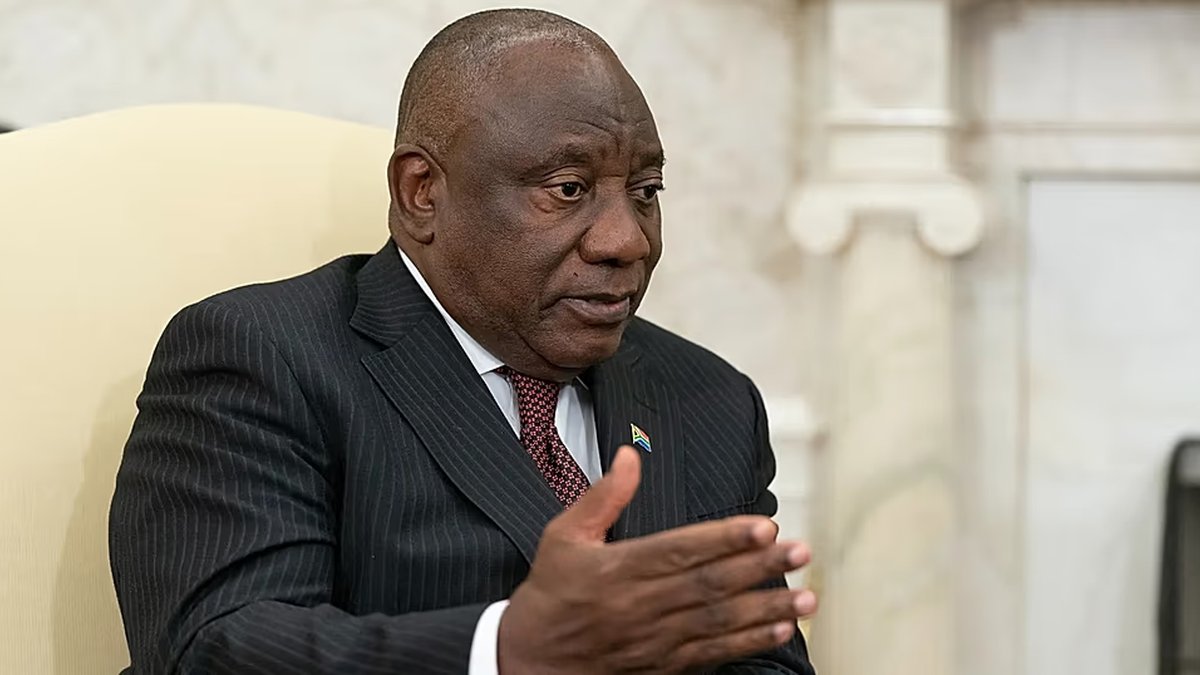
"Epidemics do not recognise borders," said DRC President Felix Tshisekedi on Thursday at a press conference in Kinshasa following an official visit by his South African counterpart Cyril Ramaphosa.
However, Ramaphosa called on the world to "not lock out the DRC" by imposing travel bans, expressing optimism toward containing the outbreak.
'On the run'
In Haut-Uele province, which is next to Ituri, a death and a case of infection were also reported at the start of the week.
Health authorities said the infected person was "on the run" from the Nia Nia health zone.
Nevertheless, health authorities continue to say that only three provinces in total are affected by the virus, as they say that the cases in Tshopo and Haut-Uele were "imported" from Ituri.
Several contact cases have however been identified in the two provinces.
Ebola, which spreads through contact with bodily fluids, has killed more than 15,000 people in Africa over the past 50 years.
The current Ebola crisis is the 17th to hit the DRC, whose most deadly outbreak killed nearly 2,300 people between 2018 and 2020.
The Bundibugyo strain of the Ebola virus is behind the current outbreak and no vaccine or specific treatment exists.
A trial of potential Ebola treatments -- the monoclonal antibody MBP134 and the antiviral drug remdesivir -- has begun, the World Health Organization said on Thursday, but could take months to produce definitive answers.
Still, at Thursday's press conference, South Africa's Ramaphosa said he had "hope that we should be able, as we work very hard, to even have a vaccine for this variant of Ebola by the end of this year."
00:56
Guinea court cuts ex-PM Fofana’s jail term in landmark corruption case
01:15
Ebola outbreak: UN projects $3.6 billion cost for Africa in worst case
02:12
Repatriation flight carrying 269 Nigerians fleeing South Africa arrives in Lagos
01:06
Ebola outbreak in DR Congo spreads to fourth province
01:08
Anti-immigrant protests in South Africa on June 30 'deadline'
01:11
25,000 foreigners flee South Africa as unofficial deadline to leave expires
Sentinel — Human
The text exhibits the characteristics of standard, fact-based journalistic reporting, integrating official data with political commentary and geographical specifics.