March 28, 2026 | Flash Brief
Iran-Backed Houthis Launch Missile at Southern Israel
March 28, 2026 | Flash Brief
Iran-Backed Houthis Launch Missile at Southern Israel
Latest Developments
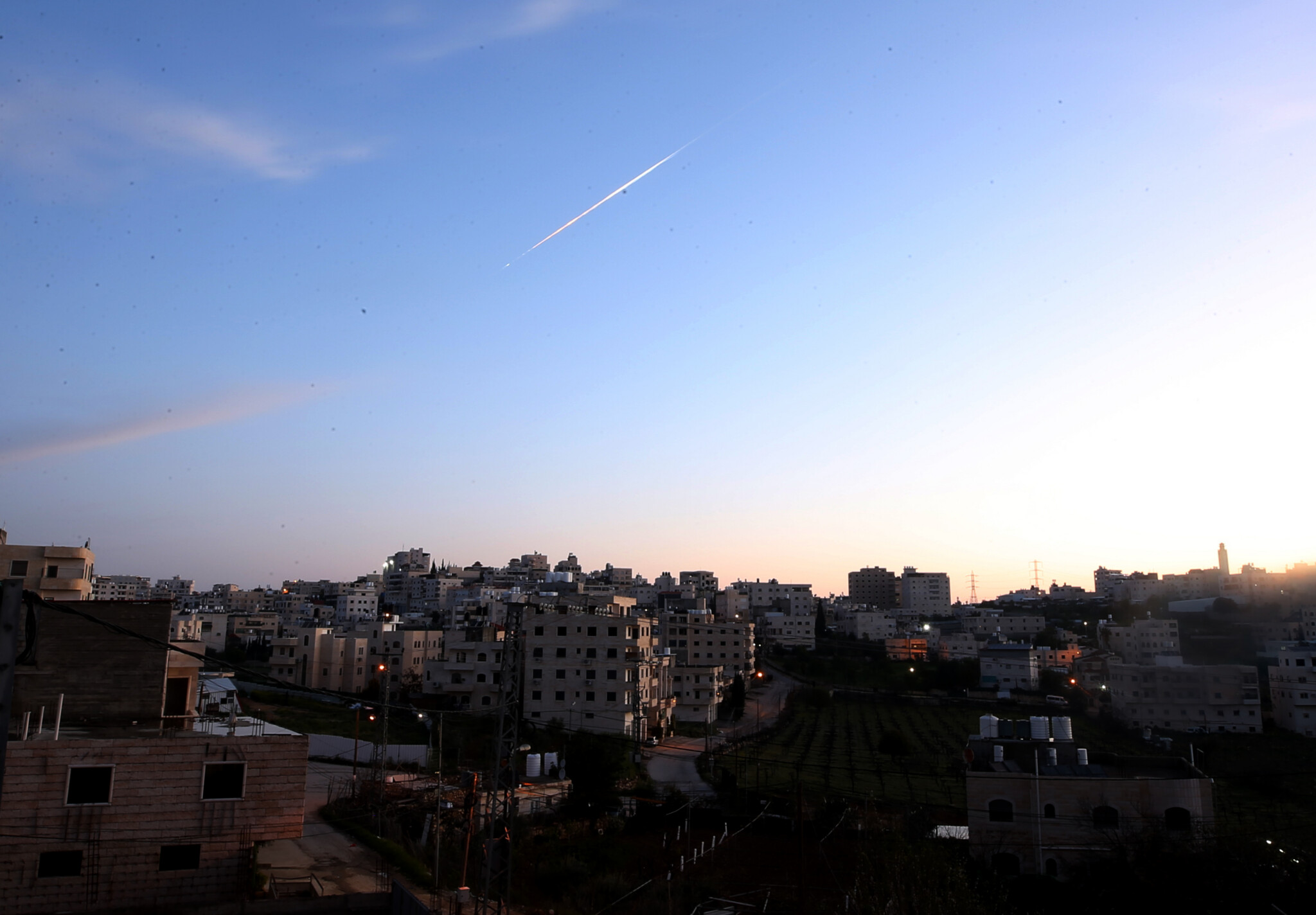
- Houthis Join War: The Iran-backed Houthis in Yemen launched a ballistic missile targeting the southern Israeli city of Beersheva on March 28, its first entry into the current conflict. The IDF confirmed that it had intercepted a missile from Yemen.
- Houthis Confirm Launches: Houthi spokesman Yahya Saree confirmed carrying out the attack, stating that the group fired “a barrage of ballistic missiles targeting sensitive Israeli military sites.” The group said that its “operations…will continue until the declared objectives are achieved.”
- Houthis Supported Hamas After October 7: After Hamas’s October 7, 2023, atrocities in southern Israel, the Houthis entered the war in support of the Palestinian terrorist organization, launching missiles and drones at Israel throughout the fighting in Gaza and targeting shipping in the Red Sea. After the U.S.-brokered ceasefire between Israel and Hamas took effect in October 2025, the Houthis stopped firing at Israel.
FDD Expert Response
“After weeks of speculation over its decision to sit on the sidelines of this war, the Iran-backed Houthis have announced their arrival with a missile volley to Israel’s south. The impact on Israel will likely be minimal. The Houthi missiles are detectable and relatively easy to intercept. By contrast, the deleterious impact on the Houthis will likely be much greater, with Israel having collected intelligence on the group since it stopped firing in October. One can expect the Houthi leadership and infrastructure to sustain serious damage in the days to come. The concern now, however, is whether the Houthis use this opportunity to try to block the Bab Al-Mandab Strait to shut down shipping in the Red Sea at the direction of the Islamic Republic. This could roil energy markets even more. In other words, with this latest development, this conflict could be widening more significantly beyond just Yemen.” — Jonathan Schanzer, Executive Director
“Now that the Houthis have entered the conflict, all eyes will be on the Red Sea and the possibility of the closure of a second major maritime choke point. However, the decision to target Israel could be a calculated move on the part of the Houthis meant to signal they are still a threat, adding to Iran’s leverage in any negotiations. The group likely assesses that limited attacks on Israel are unlikely to invite a strong response.” — Bridget Toomey, Research Analyst
FDD Background and Analysis
“US-Israeli strikes continue as talks over Strait of Hormuz stall and Iran intensifies internal crackdown,” by Janatan Sayeh
“Israel Aims To Bolster Domestic Munitions Production,” by Justin Leopold-Cohen and Bradley Bowman
“Israel Eliminates Top IRGC Navy Commander Responsible for Closing Strait of Hormuz,” FDD Flash Brief
“Yemen, the unfinished business America ignores at its peril,” by Edmund Fitton-Brown and Bridget Toomey
Facts Only
The Iran-backed Houthis in Yemen launched a ballistic missile targeting Beersheva, Israel, on March 28, 2026.
The IDF confirmed the interception of a missile originating from Yemen.
Houthi spokesman Yahya Saree stated the group fired multiple ballistic missiles at Israeli military sites.
The Houthis had previously supported Hamas after October 7, 2023, by launching attacks on Israel and disrupting Red Sea shipping.
Houthi attacks ceased following a U.S.-brokered Israel-Hamas ceasefire in October 2025.
The Houthis declared their operations would continue until their objectives are achieved.
Analysts suggest the Houthi missile launch could lead to Israeli retaliation against Houthi leadership and infrastructure.
The potential closure of the Bab Al-Mandab Strait by the Houthis could disrupt Red Sea shipping and energy markets.
The Houthis' decision to re-enter the conflict may be a calculated move to signal their continued threat and enhance Iran's negotiating position.
The IDF has reportedly gathered intelligence on the Houthis since their cessation of attacks in October 2025.
The conflict's escalation could extend beyond Yemen, affecting regional stability and maritime trade.
Executive Summary
Full Take
The strongest version of this narrative frames the Houthi missile strike as a deliberate escalation by Iran's proxies, designed to expand the conflict's geographic scope and pressure Israel. The analysis credibly highlights the Houthis' history of targeting Israel and disrupting Red Sea shipping, while acknowledging the limited immediate military impact due to Israel's interception capabilities. However, the narrative leans toward framing the Houthis as a direct extension of Iranian strategy, which may oversimplify their autonomous decision-making. The emphasis on potential Red Sea disruptions and energy market consequences introduces a layer of economic fear, which could be exploited to justify broader military or diplomatic responses.
Patterns detected: ARC-0024 Ambiguity (implied Iranian control over Houthi actions without definitive evidence), ARC-0043 Motte-and-Bailey (broad claims about conflict widening without specifying mechanisms).
Root cause: The narrative assumes the Houthis act primarily as Iranian proxies, echoing Cold War-era proxy conflict paradigms. This overlooks the Houthis' domestic political goals and regional ambitions, which may not fully align with Tehran's interests. The unstated assumption is that Iran seeks to destabilize Israel at all costs, ignoring potential internal Iranian constraints or strategic calculations.
Implications: If the Houthis escalate further, civilian populations in Yemen and Israel will bear the brunt of retaliatory strikes. The closure of the Bab Al-Mandab Strait could trigger global energy price spikes, disproportionately affecting vulnerable economies. Second-order consequences include potential U.S. or coalition intervention to secure Red Sea routes, risking a wider regional war.
Bridge questions: How much autonomy do the Houthis truly have from Iran, and what are their independent motivations? Would a stronger Israeli response to the Houthis serve Iran's interests, or could it backfire by uniting regional actors against Tehran? What evidence would change your assessment of the Houthis' strategic goals?
Counterstrike scan: A coordinated influence campaign would amplify the threat of Red Sea closures to stoke economic anxiety, while portraying the Houthis as mere Iranian puppets to justify preemptive strikes. The actual content aligns partially with this pattern by emphasizing economic risks and Iranian influence, but it also includes nuanced analysis of Houthi agency, reducing the likelihood of a deliberate manipulation effort.