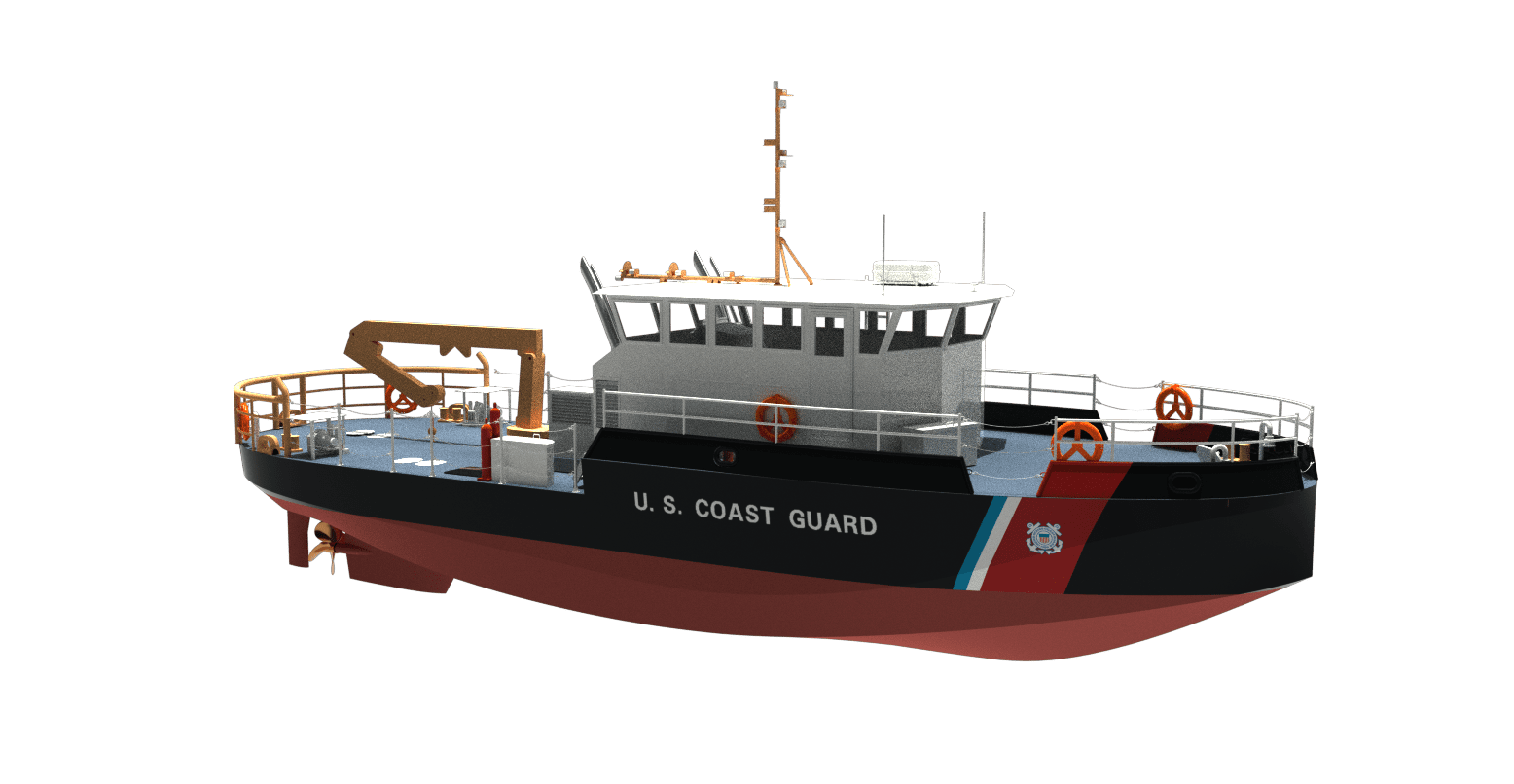
The U.S. Coast Guard has issued a request for information (RFI) as it moves forward with plans to acquire up to seven new light icebreakers to replace an aging fleet and ensure year-round navigation in ice-prone waterways across the Northeast and Great Lakes.
The U.S. Coast Guard is laying the groundwork for a new class of light icebreaking vessels aimed at maintaining critical shipping lanes and supporting commerce in ice-affected regions, according to a request for information released by the service.
The planned Homeland Security CutterŌĆōLight Icebreaker (HSC-L) program envisions the design, construction, and delivery of as many as seven vessels to replace legacy platforms that have exceeded their operational lifespan. The Coast Guard said it anticipates a potential contract award in late 2026.
The new cutters are intended to operate primarily in ports and waterways from New England through the Mid-Atlantic and into the Great Lakes, areas that are vital to the U.S. economy but frequently impacted by winter ice.
ŌĆ£To ensure these vital waterways remain accessible and safe, even in the harshest winter conditions, the Coast Guard relies on a fleet of icebreakers,ŌĆØ the service said, noting that many existing vessels are now well beyond their intended service lives.
The HSC-L vessels will replace the Coast GuardŌĆÖs fleet of 65-foot light icebreaking tugs, commissioned between 1961 and 1967, as well as 49-foot buoy utility stern loading boats. The new platform is expected to combine both capabilities into a single, more versatile design capable of supporting year-round operations in smaller ports and harbors.
According to the RFI, the contract will cover the full lifecycle of the vessels, including design, engineering, construction, testing, and delivery. The cutters are expected to remain operational for at least 30 years.
While total program costs have not yet been specified, the Coast Guard has been allocated $816 million under recent legislation for the procurement of light and medium icebreaking cutters. These vessels are separate from the serviceŌĆÖs Arctic-focused icebreaking programs.
The HSC-L vessels will be relatively compact but designed for demanding conditions. Specifications outlined in the RFI include a length of approximately 69 feet, a maximum draft of 7 feet at full load, and an air draft not exceeding 20 feet. Each vessel will be equipped with two main propulsors and capable of traveling up to 720 nautical miles at 10 knots with a fuel reserve.
The cutters must also be able to conduct at least three days of continuous icebreaking operations without resupply and break through level ice up to 12 inches thick at a steady speed of 3 knots.
The Coast Guard emphasized that the new class will play a critical role in keeping shipping channels open, assisting vessels trapped in ice, and reducing the risk of ice jams and flooding that can damage infrastructure and communities.
The HSC-L program is part of a broader recapitalization effort. Separately, the service is planning to acquire 11 medium icebreakers under the Homeland Security CutterŌĆōMedium Icebreaker (HSC-M) program to replace 140-foot Bay-class tugs commissioned between 1978 and 1988. Those vessels will support a wider range of missions, including search and rescue and maritime security.
ŌĆ£Combined, these vessels will break through thick ice formations, ensuring that vital shipping channels remain open and commerce continues to flow,ŌĆØ the service said.
Industry responses to the RFI will help shape final requirements as the Coast Guard moves toward formal procurement of the new light icebreaker fleet.
The US Coast Guard has confirmed plans to spend $323 million expanding and modernizing its Seattle icebreaker base, underscoring the serviceŌĆÖs push to strengthen its Arctic presence as new heavy icebreakers enter the fleet later this decade.
The U.S. Coast Guard has released its first formal update on Force Design 2028, a sweeping reform effort aimed at reshaping the service into a more agile and combat-ready maritime force as it faces growing demands from border security to sanctions enforcement far from U.S. shores.
Finland's Rauma Marine Constructions has signed a deal to build two icebreaker ships for the U.S. Coast Guard with delivery in 2028, the company said in a statement, as President Donald Trump seeks to boost his country's national security in the Arctic.
December 30, 2025
Total Views: 1200
Get The IndustryŌĆÖs Go-To News
Subscribe to gCaptain Daily and stay informed with the latest global maritime and offshore news
ŌĆö just like 107,453 professionals
Secure Your Spot
on the gCaptain Crew
Stay informed with the latest maritime and offshore news, delivered daily straight to your inbox
ŌĆö trusted by our 107,453 members
Your Gateway to the Maritime World!
Essential news coupled with the finest maritime content sourced from across the globe.
Facts Only
Who: U.S. Coast Guard
What: Acquiring up to seven new light icebreakers (HSC-L), design, construction, and delivery of vessels, replacing aging platforms
When: Late 2026 (expected contract award)
Where: Ports from New England through the Mid-Atlantic and into the Great Lakes
Executive Summary
Full Take
Analyzing this article from a critical perspective, it is essential to understand the strategic importance of these light icebreakers for the U.S. Coast Guard. The aging fleet has exceeded its operational lifespan, leaving vital waterways vulnerable during harsh winter conditions. By investing in new vessels, the Coast Guard aims to maintain critical shipping lanes and support commerce in ice-affected regions.
It's crucial to note that the HSC-L program is part of a broader recapitalization effort, including plans for 11 medium icebreakers under the Homeland Security Cutter (HSC-M) program. This combined investment demonstrates the Coast Guard's commitment to strengthening its maritime capabilities in various environments, from Arctic regions to ice-prone waterways along the eastern coast and Great Lakes.
The article also mentions recent legislation allocating $816 million for light and medium icebreaking cutters. This funding allocation is significant, as it highlights the government's recognition of the need for modern icebreaker fleets to support national security, commerce, and infrastructure protection in these crucial waterways.
In terms of potential patterns, there are no clear signs of manipulation or misinformation within this article. However, it is essential for readers to remain vigilant as the Coast Guard moves toward formal procurement of the new light icebreaker fleet, ensuring that any decisions made align with the service's strategic goals and do not disproportionately benefit particular interests.
Finally, it is worth considering the broader implications of this investment for U.S. maritime infrastructure and international relations. A modernized Coast Guard capable of navigating ice-prone waterways year-round could have significant economic benefits, as well as geopolitical consequences, particularly in regions where the United States shares borders or interests with other nations.
Bridge Questions:
What are the potential implications of this investment for U.S. maritime infrastructure and international relations?
How might the acquisition of new light icebreakers impact commerce and national security in ice-prone waterways across the Northeast and Great Lakes?
Who stands to gain or lose from the modernization of the U.S. Coast Guard's icebreaking fleet, and what are the long-term consequences for various stakeholders?
Sentinel — Human
The article shows signs of human authorship, with variable sentence lengths, a balanced yet passionate framing, and specific details about the RFI and industry responses. However, some coordination indicators are present.