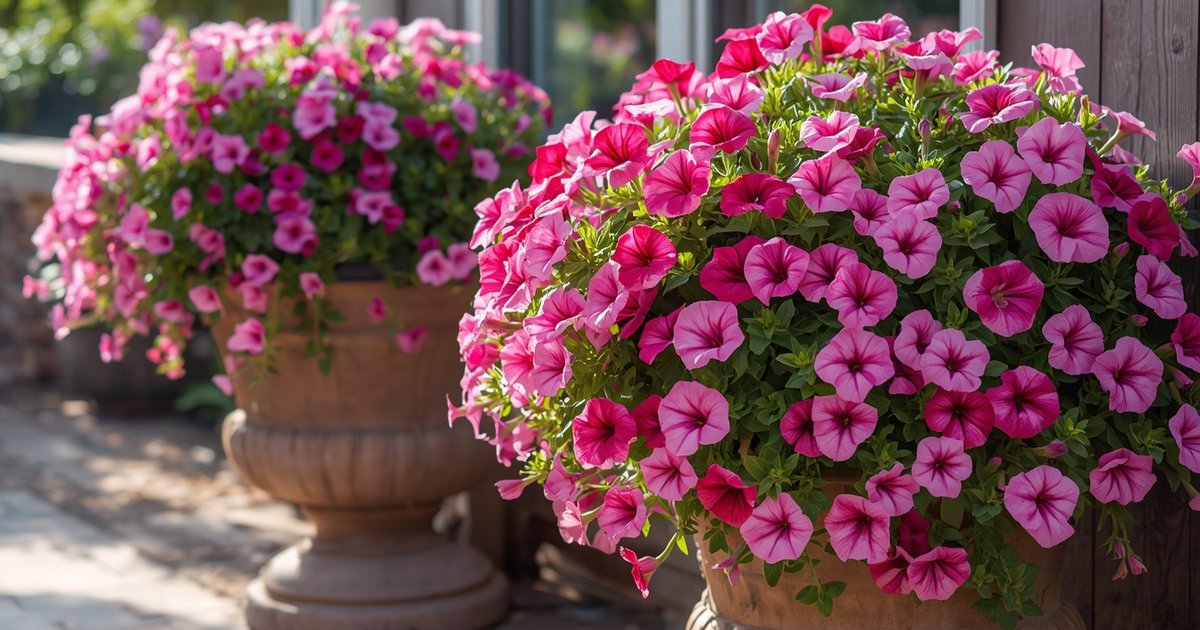
Few flowers define summer containers quite like petunias. From overflowing porch baskets to dramatic patio planters bursting with color, mounding and trailing petunias have become a cornerstone of Front Range gardening. Their ability to flower continuously through Colorado’s long sunny days makes them one of the most dependable annuals for gardeners in Fort Collins and throughout Northern Colorado.
Whether cascading from hanging baskets or spilling over raised beds, modern petunia varieties deliver months of vibrant blooms with surprisingly little effort.
At [Plantorium.com](https://plantorium.com?utm_source=chatgpt.com mounding and trailing petunias remain perennial favorites for gardeners seeking nonstop color, dramatic texture, and reliable performance throughout the growing season.
Why Petunias Thrive in Northern Colorado
Colorado’s climate is almost tailor-made for petunias.
The Front Range provides:
- Intense sunlight
- Low humidity
- Cool nighttime temperatures
- Long summer growing days
These conditions encourage heavy flowering while reducing many of the fungal problems petunias encounter in more humid regions.
Modern mounding and trailing petunias are especially vigorous, producing blankets of blooms from late spring until frost.
Trailing varieties create long cascades ideal for baskets and elevated containers, while mounding types form dense domes of color perfect for beds and mixed planters.
Popular flower colors include:
- Bright pink
- Purple
- White
- Red
- Coral
- Deep blue
- Burgundy
- Bicolor and veined patterns
Many newer varieties also offer improved weather tolerance and self-cleaning blooms.
When to Plant Petunias in Fort Collins
Petunias are warm-season annuals and should generally be planted after the danger of frost has passed.
In Fort Collins and surrounding communities, mid-May is typically the safest planting window, although protected containers may be planted slightly earlier during mild springs.
Because Front Range weather can shift rapidly, gardeners should remain alert for sudden late-season freezes.
Once daytime temperatures warm consistently, petunias establish quickly and begin flowering heavily.
Sunlight Requirements
Petunias love sun.
For maximum flowering, provide:
- Six to eight hours of direct sunlight daily
- Open airflow around plants
- Bright exposure for hanging baskets and containers
In Northern Colorado’s high-elevation climate, strong sunlight actually enhances flowering and helps maintain compact growth.
Too much shade often leads to fewer blooms and stretched stems.
Trailing petunias placed in full sun frequently become completely covered in flowers by midsummer.
Soil and Water Needs
Well-draining soil is essential for healthy petunias.
In landscape beds with clay-heavy soil, adding compost helps improve drainage and root development. Containers should always use a quality potting mix designed for annual flowers.
Although petunias tolerate brief dry periods better than many annuals, consistent watering produces the best flowering performance.
For Front Range gardeners:
- Water deeply when soil begins drying
- Avoid shallow daily watering
- Increase watering frequency during windy weather
- Monitor hanging baskets carefully during hot spells
Colorado’s dry air and strong summer sun can cause containers to dry faster than expected, especially in July and August.
Fertilizing for Continuous Blooms
Petunias are heavy feeders.
To maintain nonstop flowering throughout the season, regular fertilizing is essential. A balanced liquid fertilizer every two to three weeks usually keeps plants vigorous and blooming heavily.
Modern trailing petunias can become extraordinarily large by midsummer, especially in containers, so adequate nutrition helps sustain healthy growth.
Some older varieties benefit from occasional trimming or deadheading, though many newer introductions are self-cleaning and require minimal maintenance.
Why Gardeners Love Trailing Petunias
Part of the enduring appeal of petunias is their versatility.
They work beautifully in:
- Hanging baskets
- Window boxes
- Porch containers
- Raised beds
- Retaining walls
- Decorative patio planters
Trailing forms soften hardscape edges and create dramatic waterfalls of color throughout summer.
In Fort Collins landscapes, they are especially effective against stone patios, wood decks, and modern outdoor living spaces where vibrant flowers contrast beautifully with natural materials.
Handling Colorado’s Weather Extremes
One reason petunias remain so dependable along the Front Range is their resilience.
Once established, they tolerate:
- Intense sun exposure
- Dry air
- Heat waves
- Wind
- Rapid temperature swings
Heavy hailstorms can temporarily damage blooms and stems, but healthy petunias often recover quickly with light pruning and continued care.
Extended periods of soggy weather are generally more problematic than Colorado’s typical dry conditions.
Perfect Companion Plants
Mounding and trailing petunias pair beautifully with many popular annuals grown in Northern Colorado.
Excellent companion plants include:
- Calibrachoa
- Verbena
- Sweet Potato Vine
- Bacopa
- Angelonia
- Eucalyptus
- Geraniums
Designers often use trailing petunias as the “spiller” element in container arrangements, allowing blooms to cascade naturally over the edges of pots and baskets.
A Summer Classic That Continues to Evolve
Petunias have remained popular for generations because they consistently deliver what gardeners want most: long-lasting color, adaptability, and abundant blooms.
Today’s mounding and trailing varieties are even more impressive, combining classic beauty with improved vigor and weather resistance perfectly suited to Front Range landscapes.
For Fort Collins gardeners seeking a reliable annual capable of transforming patios, porches, and flower beds into vibrant summer displays, few plants rival the performance of trailing petunias.
Explore seasonal availability and additional flowering annuals at [Plantorium.com’s full plant catalog](https://plantorium.com/all-plants/?utm_source=chatgpt.com
Facts Only
Petunias are a popular annual flower for summer containers in Northern Colorado, including Fort Collins.
The Front Range climate, with intense sunlight, low humidity, cool nights, and long growing days, is ideal for petunias.
Modern mounding and trailing petunia varieties produce continuous blooms from late spring until frost.
Popular petunia colors include bright pink, purple, white, red, coral, deep blue, burgundy, and bicolor patterns.
In Fort Collins, petunias are typically planted after the last frost, around mid-May.
Petunias require six to eight hours of direct sunlight daily for maximum flowering.
Well-draining soil is essential, with compost recommended for clay-heavy beds and quality potting mix for containers.
Consistent watering is needed, especially during windy or hot periods, to maintain flowering.
Petunias are heavy feeders and require regular fertilization every two to three weeks.
Trailing petunias are versatile and used in hanging baskets, window boxes, raised beds, and patio planters.
Petunias tolerate Colorado’s weather extremes, including intense sun, dry air, heat, and wind.
Companion plants for petunias include calibrachoa, verbena, sweet potato vine, and geraniums.
Executive Summary
Full Take
This article presents petunias as an ideal summer flower for Northern Colorado, emphasizing their resilience and vibrant blooms. The strongest version of this narrative highlights their adaptability to the region’s climate, low maintenance, and versatility in various gardening setups. However, the piece leans heavily on anecdotal and experiential evidence rather than empirical data, which could be a limitation for readers seeking scientific validation. The focus on petunias as a "dependable" and "reliable" choice may overlook potential challenges, such as their susceptibility to soggy conditions or the need for consistent care, which could be framed more prominently.
The narrative aligns with a broader pattern of promoting low-maintenance, high-impact plants for home gardening, a trend driven by the desire for aesthetic appeal with minimal effort. This paradigm assumes that gardeners prioritize ease and visual impact over other factors like ecological benefits or native plant conservation. The article does not explore alternative perspectives, such as the environmental implications of non-native annuals or the potential for petunias to outcompete local flora.
For human agency, the piece empowers gardeners by providing practical advice, but it could also encourage a homogenization of landscapes, favoring a few popular species over diverse, ecologically beneficial options. The second-order consequences might include reduced biodiversity in urban gardens or increased reliance on non-native plants that require more resources like water and fertilizer.
Bridge questions to consider: How do petunias compare to native Colorado plants in terms of water usage and ecological impact? What are the long-term effects of favoring non-native annuals in home gardens? Would incorporating more native species alongside petunias enhance both aesthetic and environmental outcomes?
Counterstrike scan: If this were part of a coordinated campaign, it might promote petunias as a universal solution for summer gardening, downplaying alternatives or potential drawbacks. However, the content does not exhibit signs of manipulation, as it provides practical advice without overtly dismissing other options. The focus remains on the benefits of petunias without resorting to exaggerated claims or emotional appeals.
Patterns detected: none
Sentinel — Human
The text is highly structured and promotional, typical of expert-written horticultural content, but the forensic signals suggest it is either professionally written or heavily refined by an LLM based on specific, grounded input.