- Author, 謝全恩(Osmond Chia)
- Role, BBC商務記者
美國司法部(DOJ)週四(3月19日)表示,三名與一家美國科技公司供應商有關聯的人士因試圖將美國的人工智能(AI,人工智慧)晶片(芯片)走私至中國而遭到起訴。
司法部指出,這些人涉嫌「共謀向中國買家出售價值數十億美元的科技產品」,方法包括偽造文件以及使用假設備來躲避審查。
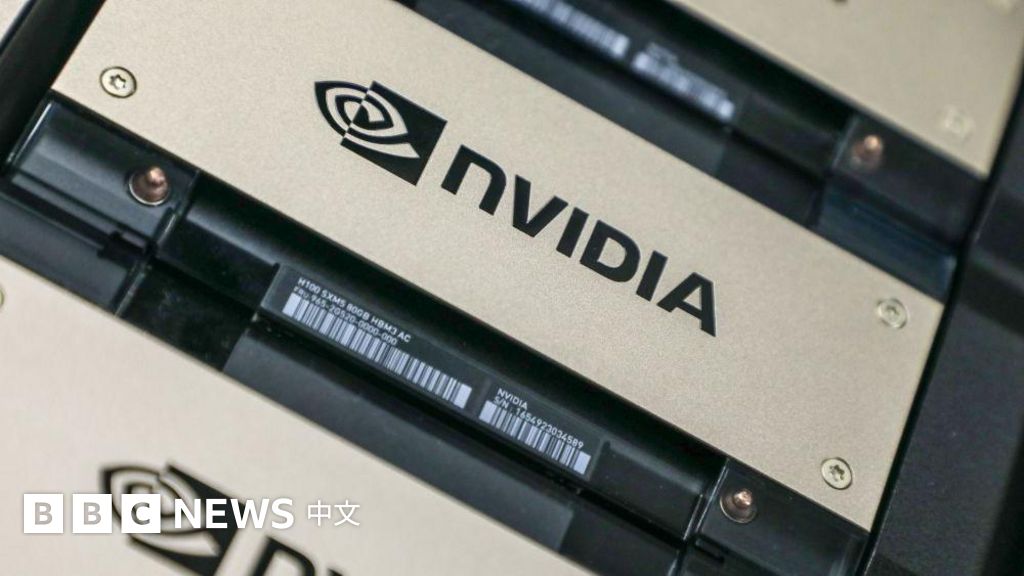
涉案商品包括輝達(Nvidia,英偉達)生產的半導體——這些備受追捧的AI晶片受到出口管制。
2025年8月,亦有兩名中國籍人士因非法向中國運送價值數百萬美元的輝達晶片而遭逮捕並被起訴。
美國司法部週四在一份聲明中表示,已逮捕美國公民廖益賢(Yih-Shyan "Wally" Liaw)與台灣公民孫廷瑋(Ting-Wei "Willy" Sun),而另一名台灣公民張瑞滄(Ruei-Tsang "Steven" Chang)仍在逃。
廖益賢是加州企業超微電腦(Super Micro Computer)的共同創辦人,該公司為一家上市企業,主要生產服務器(伺服器)並向客戶提供科技設備。
超微電腦週四發表聲明表示,正全力配合調查,並指出公司並未被列為此案被告——但確認這三名個人皆與公司有關聯。
超微公司指出,已讓廖益賢(公司業務發展資深副總)與張瑞滄(業務經理)停職;同時已終止與身為外包人員的孫廷瑋的合作關係。
公司聲明稱:「起訴書所指稱的行為違反了本公司的政策與合規管控,包括企圖規避適用的出口管制法律法規。」
法院文件與美國司法部均未明確指出三人的任職公司名稱,只稱他們任職於同一家美國製造商,而該製造商使用高階電腦晶片,包括輝達設計的晶片。
輝達的半導體產品在AI產業中廣受好評,其多款先進晶片因涉及國家安全與外交政策考量,被美國列入出口管制名單,若無許可禁止出口至中國。
輝達發言人在回覆BBC時表示,公司與客戶以及美國政府緊密合作,以確保遵守相關規範。
發言人說:「非法將受管制的美國電腦設備轉移至中國,對所有相關方而言都是一場失敗。」並補充:「輝達不會為此類系統提供任何服務或支援,執法機制非常嚴格且有效。」
美國政府最初的目標是阻止北京取得輝達的先進產品,但在去年 12 月表示將允許該公司向中國出口部分晶片。
美國司法部指稱,這三人與一家未具名、位於東南亞的公司共同策劃了一項計劃,將美國製造的晶片轉移給中國的代理商,而這些代理商與廖益賢及張瑞滄保持密切聯繫。
司法部稱,這家未具名的公司(在文件中以「公司一」稱呼)會下訂服務器,部分服務器內含輝達晶片。其後,「公司一」與三人會偽造記錄,使其看起來「公司一」為最終使用者。
但司法部指出,實際上,「公司一」會在另一家物流公司的協助下重新包裝服務器,並將其置於無標記的箱子內,之後再運往中國。
司法部表示,三人還涉嫌使用數以千計的「假」服務器複製品,以外觀仿造美國購買的真正服務器,藉此躲過審查,而真正的服務器早已被非法運出國。
司法部補充,外包人員孫廷瑋會使用吹風機移除並重新黏貼服務器箱與假服務器上的標籤與序號貼紙,而這一切都被監視器拍下。
美國司法部表示,「公司一」据信購買了約25億美元(18.6億英鎊)的設備,並向中國運送了「大量含有受管制美國人工智能技術的服務器」。
司法部指出,被告三人以及該家美國製造商在任何時間點都未曾取得政府核發的許可證,得以將美國製造的服務器出口至中國。
在另一宗案件中,兩名中國公民因非法走私受限制的AI晶片到中國而遭逮捕與起訴。
司法部表示,兩人涉嫌在2022年至2025年間,先將貨物從美國寄往馬來西亞與新加坡的物流公司,之後再轉運至香港與中國大陸的企業。
他們的公司ALX Solutions向供應商超微稱,所訂購的晶片是為新加坡的一名客戶使用。
Facts Only
The U.S. Department of Justice charged three individuals—Wally Liaw (U.S. citizen), Willy Sun (Taiwanese citizen), and Steven Chang (Taiwanese citizen)—with conspiring to smuggle Nvidia AI chips to China.
The alleged scheme involved falsifying records, using dummy servers, and re-routing shipments through Southeast Asia to evade export controls.
Super Micro Computer, where Liaw and Chang were employed, confirmed their suspension and termination of ties with Sun, an external contractor.
The chips in question are Nvidia semiconductors, which are subject to U.S. export restrictions due to national security concerns.
A separate case involved two Chinese nationals arrested in 2025 for illegally shipping Nvidia chips to China via Malaysia and Singapore.
The DOJ alleges the trio worked with an unnamed Southeast Asian company to disguise the final destination of the chips.
No export licenses were obtained for the shipments, violating U.S. regulations.
Nvidia stated it complies with export controls and does not support unauthorized transfers of its technology.
The total value of the smuggled equipment is estimated at $2.5 billion.
Surveillance footage reportedly captured Sun altering server labels with a hairdryer to conceal the shipments.
Executive Summary
Full Take
This case exemplifies the high-stakes cat-and-mouse game between U.S. export controls and global supply chain workarounds. The strongest version of the narrative—supported by the DOJ's allegations—paints a picture of systematic evasion, with sophisticated tactics like dummy servers and falsified paperwork. The involvement of a senior executive at a major U.S. tech firm underscores the pressure points in enforcement, where corporate compliance and individual incentives may diverge.
Pattern scan: The framing leans toward a clear "national security threat" narrative, but the absence of direct evidence (e.g., intercepted shipments or confirmed end-users in China) leaves room for ambiguity. The focus on high-value tech and the dramatic details (e.g., hairdryer tampering) could subtly amplify moral panic around China's AI ambitions. However, the reporting avoids overt emotional exploitation or distortion, sticking to verifiable claims.
Root cause: The paradigm here is geopolitical competition over technological dominance. The unstated assumption is that export controls are effective deterrents, yet the case reveals their porousness. Historically, this echoes Cold War-era tech smuggling, where black markets thrived despite restrictions.
Implications: For human agency, this highlights the tension between state-level security policies and individual or corporate survival instincts. The costs fall on companies like Super Micro, which must now navigate reputational damage, while the benefits accrue to intermediaries exploiting regulatory gaps. Second-order consequences may include stricter enforcement, further supply chain fragmentation, or accelerated indigenous innovation in China.
Bridge questions: How might U.S. allies (e.g., Taiwan, Southeast Asian nations) be complicit or coerced into these smuggling networks? Would decriminalizing certain tech transfers—with stricter end-use monitoring—reduce black-market incentives? What role do corporate compliance cultures play in enabling or preventing such schemes?
Counterstrike scan: A coordinated influence campaign might exaggerate the scale of smuggling to justify broader trade restrictions or demonize China. However, the DOJ's focus on specific individuals and tangible evidence (e.g., surveillance footage) aligns with standard law enforcement, not propaganda. No structural alignment with manipulation playbooks is detected.
Patterns detected: none
Sentinel — Human
The article exhibits strong human writing characteristics, including natural stylistic variation, specific details, and verifiable attributions, with no significant indicators of synthetic generation.