Skip to content
Chimera readability score 70 out of 100, Academic reading level.

Sudan
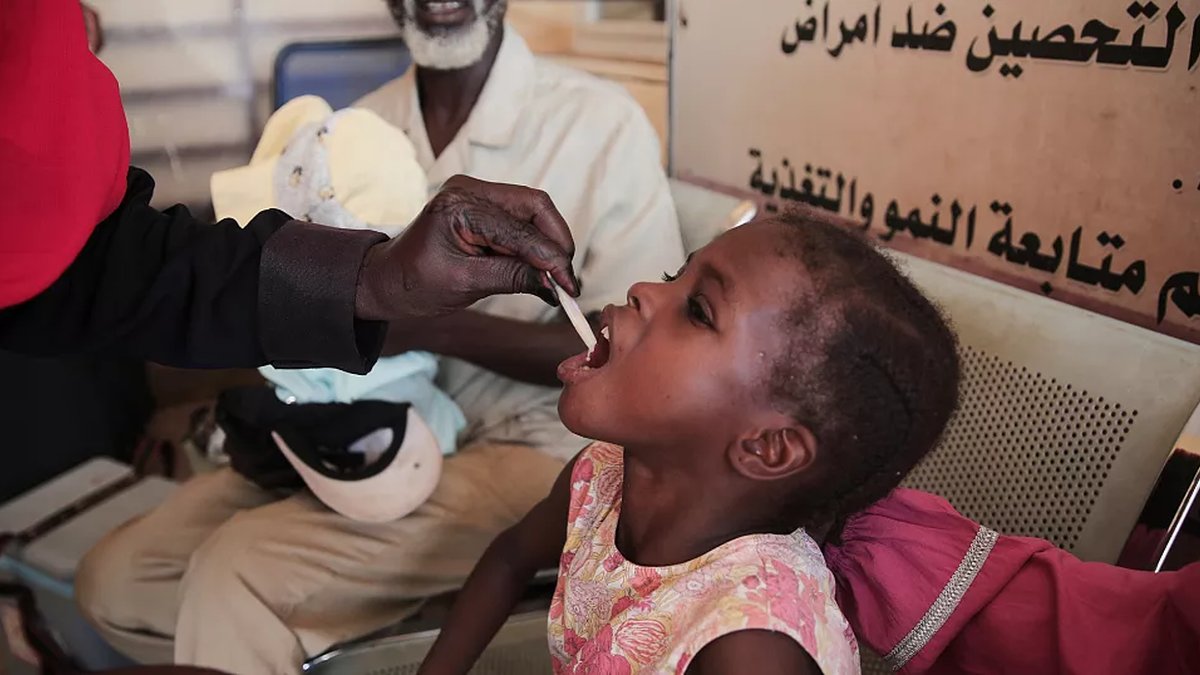
The World Health Organization warned on Thursday that Sudan’s cholera outbreak could worsen as the ongoing war and the onset of the rainy season threatens to exacerbate the humanitarian crisis.
It has claimed more than 100 lives so far and infected more than 1,300 others across several states, including Darfur and Kordofan where access remains severely constrained.
The United Nations body said that the true number of fatalities is likely much higher adding that aid agencies are concerned it could spread among displaced people in areas of North Kordofan.
In addition, the WHO says the case fatality rate in the current outbreak is extremely high at nearly 14 per cent.
More than three years of war between Sudan's army and the paramilitary Rapid Support Forces has decimated the country's healthcare system.
This is its third wave of cholera in as many years, and began only two months after the last outbreak was declared over in March.
While the waterborne disease is endemic to the country, the WHO says it now faces near-continuous outbreaks "due to the conflict, constraints in access for response teams, and limited supplies".
In addition, the widespread displacement of people due to the fighting is making their access to essential healthcare even more difficult.
Cholera is a severe and potentially fatal diarrhoeal disease that spreads quickly when sewage and drinking water are not adequately treated.
The WHO said Sudan is the world’s largest humanitarian crisis with more than 33 million people in need, includes 21 million who require health services.
01:02
Health workers in DR Congo's Ebola outbreak go on strike over pay issues
01:52
Refugee teacher fights to keep education alive for children displaced by Sudan's war
01:52
Ebola treatment facilities in DRC race to adapt to growing patient needs
01:38
Trial of Ebola treatment gets underway in Ituri
01:44
Sudan's RSF committed ethnic cleansing, Amnesty report alleges
02:04
In Sudan's Kordofan, a key city reels as paramilitary offensive looms

Facts Only

* Cholera has claimed more than 100 lives and infected more than 1,300 others in several states, including Darfur and Kordofan.
* The true number of fatalities is likely higher among displaced people in North Kordofan.
* The case fatality rate for the current outbreak is nearly 14 percent.
* More than three years of war between Sudan's army and the Rapid Support Forces has decimated the healthcare system.
* This is the third wave of cholera in as many years, starting two months after the last outbreak ended in March.
* The disease faces near-continuous outbreaks due to conflict, constraints on access for response teams, and limited supplies.
* Widespread displacement makes accessing essential healthcare more difficult.
* Sudan is cited as the world’s largest humanitarian crisis, with over 33 million people in need and 21 million requiring health services.

Executive Summary

The cholera outbreak in Sudan is being exacerbated by the ongoing war and the onset of the rainy season, threatening the humanitarian situation. The outbreak has already claimed over 100 lives and infected more than 1,300 people across various states, including Darfur and Kordofan, where access to aid is severely limited. Concerns exist that the true death toll may be higher, particularly among displaced populations in North Kordofan. The case fatality rate for the current outbreak is reported to be extremely high at nearly 14 percent. The conflict between the Sudanese army and the Rapid Support Forces has damaged the country's healthcare system, leading to near-continuous cholera outbreaks due to conflict, limited access for response teams, and supply constraints. This situation is compounded by the widespread displacement of people, which further restricts access to essential healthcare. Sudan is characterized as the world’s largest humanitarian crisis, with over 33 million people in need and 21 million requiring health services.

Full Take

The narrative surrounding Sudan reveals a critical failure of infrastructure and governance under conditions of acute conflict. The persistence of cholera outbreaks, described as near-continuous due to systemic failures—conflict, restricted access, and supply limitations—suggests that the humanitarian crisis is less an episodic event and more a chronic condition sustained by structural collapse. The fact that the healthcare system was decimated by three years of war provides context for why response efforts are perpetually constrained; aid agencies face obstacles not just in logistics but in operational security. Furthermore, the pattern of disease spreading among displaced populations points to a deeper vulnerability where physical displacement directly translates into heightened public health catastrophe. The disproportionate focus on the cholera statistics alongside mentions of ethnic cleansing and paramilitary actions suggests an underlying dynamic where conflict is the primary mechanism driving demographic and health devastation, rather than external political factors alone. The implication for agency rests on recognizing that public health crises in conflict zones are not merely logistical problems but direct manifestations of fractured social contracts and state incapacity to protect its citizens from preventable suffering. What structures permit such high fatality rates and continuous vulnerability when massive international attention is drawn? What mechanisms exist, or fail to exist, to ensure basic sanitation and access for populations actively subjected to violence?

Sentinel — Human

Confidence

This text functions as a factual summary derived from official sources, framed within a humanitarian context, exhibiting characteristics consistent with professional news reporting.

Signals Detected
low severity: Moderate sentence length variance; appropriate use of factual, dense reporting.
low severity: Clear focus on the WHO data and humanitarian context; avoids excessive hedging or balancing that characterizes pure AI synthesis.
low severity: Direct citation of specific entities (WHO, UN) and quantifiable statistics; no apparent verbatim matching to known template structures.
low severity: Claims appear anchored to official reporting bodies (WHO), suggesting grounded sourcing rather than pure fabrication.
Human Indicators
The text flows as a news summary connecting disparate facts (cholera, conflict, displacement) with a specific focal point (WHO warning), indicating editorial framing.
The use of nested contextual points (e.g., linking cholera to access constraints and displacement) suggests narrative construction typical of human reporting.
WHO warns Sudan's cholera outbreak may worsen amid conflict and rains — Arc Codex