- Author, 路易斯·巴魯喬(Luis Barrucho)
- Role, BBC國際部記者
伊朗在與美國及以色列的戰爭中,持續在海灣地區發動飛彈攻擊。
在以色列攻擊伊朗的南帕爾斯(South Pars)之後,伊朗於上星期四(3月19日)打擊了卡塔爾的拉斯拉凡(Ras Laffan)能源綜合體。南帕爾斯是位於波斯灣的全球最大天然氣田之一。
至今,卡塔爾及其他海灣國家在多次遭受攻擊後仍選擇不對伊朗報復。為何它們避免出手?又是甚麼可能促使它們改變立場?
高脆弱性、有限的收益
當美國與以色列在2月28日對伊朗發動聯合軍事行動後,德黑蘭立即展開回擊,不僅攻擊以色列,也攻擊與美國關係密切的海灣國家。
巴林、科威特、沙特阿拉伯、卡塔爾、阿曼,尤其是阿拉伯聯合酋長國(阿聯酋),都成為攻擊目標。
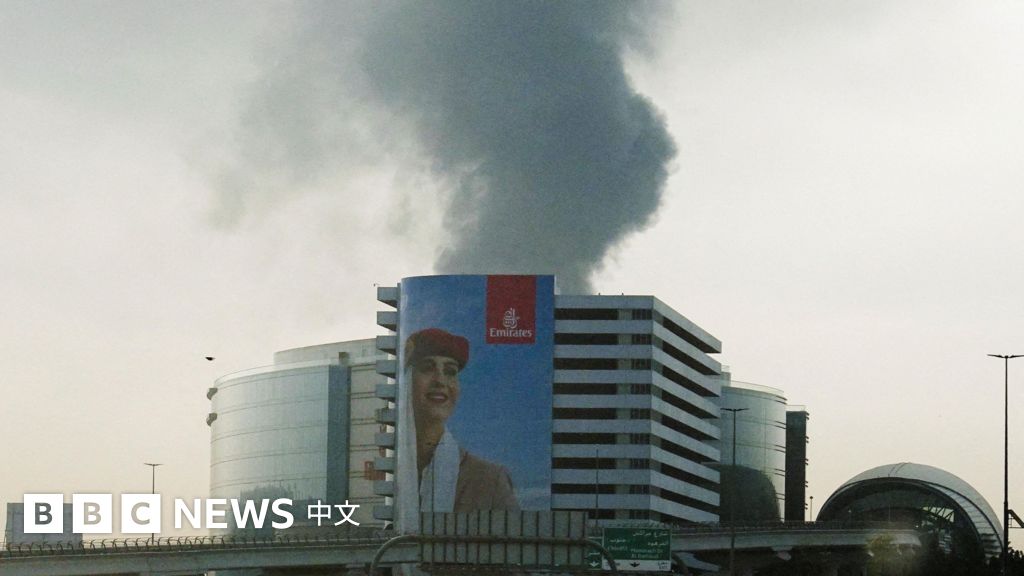
除了打擊區內的美軍基地外,海灣官員表示,伊朗還攻擊民用基礎設施,包括機場、酒店、住宅區,尤其是能源設施。
然而迄今為止,海灣國家一直選擇不對伊朗發動攻擊,避免直接捲入這場戰爭。
美國智庫「國際政策中心」(Center for International Policy)資深非常駐研究員西納·圖西(Sina Toossi)說:「從它們的角度來看,這不是它們的戰爭,而報復只會讓它們從脆弱的旁觀者變成更大的目標,因為它們仍然是得不償失。」
圖西表示,這種克制的決定源於「脆弱性、戰略考量與有限的回報」的綜合作用。
他指出,海灣國家的經濟高度依賴能源基礎設施、航運及投資者信心,「而伊朗已展示它能破壞這些」。
值得注意的是,伊朗一直以波斯灣及霍爾木茲海峽——全球經濟的重要航道——作為其主要籌碼。
不過,智庫趨勢研究所(Trends Research & Advisory)資深董事總經理、曾在特朗普(Donald Trump;川普)第一任期擔任五角大廈官員的比拉爾·薩布(Bilal Saab)表示,如果海灣國家持續不對伊朗進行反擊,「那等於向德黑蘭傳達一個訊號:它可以造成重創而不用付出代價」。
「反擊的目的在短期內是迫使伊朗停止攻擊,長期則是對未來的伊朗侵略建立一定程度的嚇阻力。」
但他補充說,風險是「相當高的」,因為目前仍不清楚海灣國家的任何打擊是否能實質影響戰局,或在戰略上是否明智。
英國倫敦國王學院國防研究系講師羅布·蓋斯特·平福德博士(Dr Rob Geist Pinfold)則表示,海灣國家對與以色列站在同一陣線及其在區內的目標,仍抱持犧牲意願有限的態度。
他說:「有人認為,是以色列把美國拖進了這場戰爭。」
「2003年的幽靈仍在徘徊」
對許多海灣領導人而言,美國主導的伊拉克戰爭遺緒仍深刻影響區域思維,平福德說。
2003年,美國入侵伊拉克並迅速推翻薩達姆·侯賽因(Saddam Hussein)政權。然而,接踵而來的是權力真空、叛亂、宗派暴力,以及伊拉克和更廣泛地區多年的動盪。
平福德說:「2003年的幽靈仍在徘徊。」
「他們擔心戰爭會讓混亂與不穩定在家門口爆發,也擔心這會讓伊朗擴張影響力。而事實證明他們的擔憂是對的。」
他指出,海灣國家如今擔心美國正進行一場「沒有明確目標、無終點的戰事」,戰後局面最終會「留給區域自己收拾」。
儘管對美國與以色列發動此戰感到不滿,海灣國家仍高度依賴美國的軍事保護。
除了駐有美軍基地與部隊,部分海灣國家也共享情報,並依賴美國的防空系統。
海灣官員表示,這些防空系統攔截了伊朗大多數的飛彈攻擊。
平福德說:「儘管他們(海灣國家)在政治層面質疑美國,在軍事與作戰層面,這段關係已經過壓力測試,而且表現相當好。」
自上月展開攻擊後,美國曾提出多項軍事行動目標,從摧毀伊朗發展核武能力,到全面政權更替。
然而,平福德表示,海灣領導人仍認為外交是終止攻擊的唯一途徑。
「要確保它們不再遭受攻擊,唯一方式就是達成某種協議,實現某種談判妥協。」
區內動態分裂
平福德指出,伊朗並未「以同等程度」攻擊所有海灣國家,反映其與各國間不同的關係。
阿聯酋在這場戰爭中是遭攻擊最頻繁的國家之一。
2020年,它與巴林皆與以色列關係正常化。
相較之下,長期在伊朗與西方之間扮演調解者角色的阿曼,受到伊朗攻擊的程度小得多。
平福德指出:「阿曼是唯一一個祝賀新任伊朗最高領袖(穆傑塔巴·哈梅內伊;Mojtaba Khamenei)上任的海灣國家,這在其他海灣首都並不受歡迎。」
然而,杜拜公共政策研究中心總幹事穆罕默德·巴哈倫(Mohammed Baharoon)表示:「伊朗正把海灣國家推向一個擴張中的反伊朗聯盟。」
他說:「透過攻擊海灣國家,伊朗正在把它們變成敵人,並冒著引爆一場沒人想要的更大戰爭的風險。」
上星期三(18日),海灣各國外交部長在沙特阿拉伯舉行會議後,阿拉伯國家強調,它們依據聯合國憲章第51條擁有自衛權。
有甚麼可能引發報復?
儘管海灣國家目前仍在克制,英國皇家聯合軍事研究所(RUSI)資深研究員海利亞(H A Hellyer)表示,「政治算盤可能迅速改變」,尤其若擾亂能源出口的攻擊持續或升級。
他說,一個可能改變其計算的情況是能源設施遭受重大攻擊。
星期四,伊朗攻擊卡塔爾的拉斯拉凡能源綜合體後,揚言若對其設施攻擊持續,將讓美國的海灣盟友遭受「徹底毀滅」。
另一個可能改變海灣國家態度的情況,是伊朗的區域代理人直接攻擊它們。
平福德說:「如果他們遭到胡塞武裝攻擊……那將開啟一條新戰線。」
在這情況下,海灣國家可能會認為,這場衝突已不僅是美國與以色列的,也關乎它們自身。
無論如何,即便海灣國家目前未進行報復,平福德表示,伊朗的策略「風險極高」。
「伊朗正在燒毀它與海灣國家的所有橋樑,這顯示伊朗視這場衝突為攸關存亡。」
海利亞表示,海灣國家「不會無限期接受」伊朗的攻擊,尤其是涉及民用目標。
最終,他認為伊朗以高風險施壓海灣國家去約束華盛頓的策略,可能會適得其反。
「他們(海灣國家)可能會認為,儘管一開始反對美以對伊朗的戰爭,但如今自身安全正因伊朗報復而受到威脅,因此支持美國的軍事行動,反而更能迅速終結來自伊朗的直接威脅。」
Facts Only
Iran launched missile attacks on Gulf states, including Qatar’s Ras Laffan energy complex on March 19, 2024.
The U.S. and Israel conducted joint military operations against Iran on February 28, 2024.
Iran targeted military bases and civilian infrastructure, including airports, hotels, residential areas, and energy facilities.
Gulf states affected include Bahrain, Kuwait, Saudi Arabia, Qatar, Oman, and the UAE.
The South Pars gas field, one of the world’s largest, was struck by Israel before Iran’s retaliation.
Gulf states have not retaliated against Iran despite repeated attacks.
The U.S. provides military protection, including missile defense systems, to Gulf allies.
Oman has faced fewer Iranian attacks compared to other Gulf states.
The UAE and Bahrain normalized relations with Israel in 2020.
Gulf foreign ministers met in Saudi Arabia on March 18, 2024, reaffirming their right to self-defense under UN Charter Article 51.
Iran threatened "total destruction" for U.S. allies in the Gulf if attacks on its facilities continue.
Analysts suggest Gulf states may reconsider restraint if energy exports or civilian targets face major attacks.
Executive Summary
Full Take
The strongest version of this narrative highlights the Gulf states’ strategic dilemma: balancing restraint to avoid escalation while facing Iran’s provocations. The analysis credibly presents their economic vulnerabilities, historical trauma from U.S.-led interventions, and reliance on American military support. However, the framing leans toward a binary choice—either endure attacks or risk war—without fully exploring alternative diplomatic or collective security mechanisms. The emphasis on Gulf states’ "limited willingness to sacrifice" for Israel’s goals subtly reinforces a narrative of passive victimhood, potentially obscuring their agency in shaping regional dynamics.
**Pattern Scan**: The article avoids overt manipulation but exhibits traces of **ARC-0024 Ambiguity** in its portrayal of Gulf states’ motives—are they truly powerless, or is their restraint a calculated long-term strategy? The repeated focus on "2003’s ghost" as a cautionary tale could border on **ARC-0043 Motte-and-Bailey**, where historical analogies are used to justify inaction without addressing present-day strategic options. The framing of Iran’s actions as uniformly aggressive, without nuance on its security perceptions, risks **ARC-0012 False Equivalence** by omitting context on U.S.-Israeli strikes.
**Root Cause**: The paradigm here is one of **deterrence fatigue**—Gulf states fear that retaliation could spiral into unwinnable conflict, yet inaction may invite further aggression. The unstated assumption is that U.S. security guarantees are both indispensable and insufficient, leaving Gulf leaders in a paradox of dependence. This echoes Cold War-era proxy conflicts, where smaller states bore the brunt of superpower rivalries.
**Implications**: Human agency is constrained by structural vulnerabilities. Gulf populations face the cost of instability, while elites navigate a precarious balance between U.S. alliances and domestic stability. Second-order consequences include potential energy market disruptions, deeper regional polarization, and eroded trust in U.S. commitments if attacks persist without resolution.
**Bridge Questions**:
1. How might Gulf states leverage collective security frameworks (e.g., GCC) to reduce reliance on U.S. protection while deterring Iran?
2. What evidence would change the assessment that diplomacy is the "only way" to end attacks—could targeted, proportional responses achieve deterrence without escalation?
3. Are Gulf states’ fears of Iran’s regional expansion overstated, or do they reflect a genuine shift in Tehran’s strategy post-U.S.-Israel strikes?
**Counterstrike Scan**: A coordinated influence campaign would amplify Gulf states’ helplessness to justify U.S. military escalation or, conversely, portray Iran as an irrational aggressor to rally support for isolation. This article does not match that pattern; it presents multiple perspectives and acknowledges strategic trade-offs. However, the lack of Iranian voices or alternative security proposals could inadvertently serve narratives that frame the conflict as inevitable.
Sentinel — Human
The article exhibits strong human stylistic markers, including cultural idioms, passionate emphasis, and structural irregularity, with no detectable AI-generated patterns.