Add Popular Science (opens in a new tab)Adding us as a Preferred Source in Google by using this link indicates that you would like to see more of our content in Google News results.
Get the Popular Science daily newsletter💡
Breakthroughs, discoveries, and DIY tips sent six days a week.
After almost 90,000 votes, Austrian photographer Josef Stefan’s image (seen below) of a lynx batting a rodent like a toy took the top prize of Wildlife Photographer of the Year Nuveen People’s Choice Award 2026.
“The journey to take this image was more than just another photographic adventure, it was the pursuit of a dream that had been with me for years, encountering the Iberian lynx, one of the rarest and most endangered wild cats in the world,” Stefan said of his win. “In the early 2000s, this species was on the brink of extinction. Today, there are now over 2,000 thanks to consistent conservation efforts. The Iberian lynx is a living symbol of hope, showing what can happen when we take responsibility, act consciously and focus our attention where it’s most needed. Winning this award and being able to platform this message is the highlight of my 30 years as a nature photographer.”
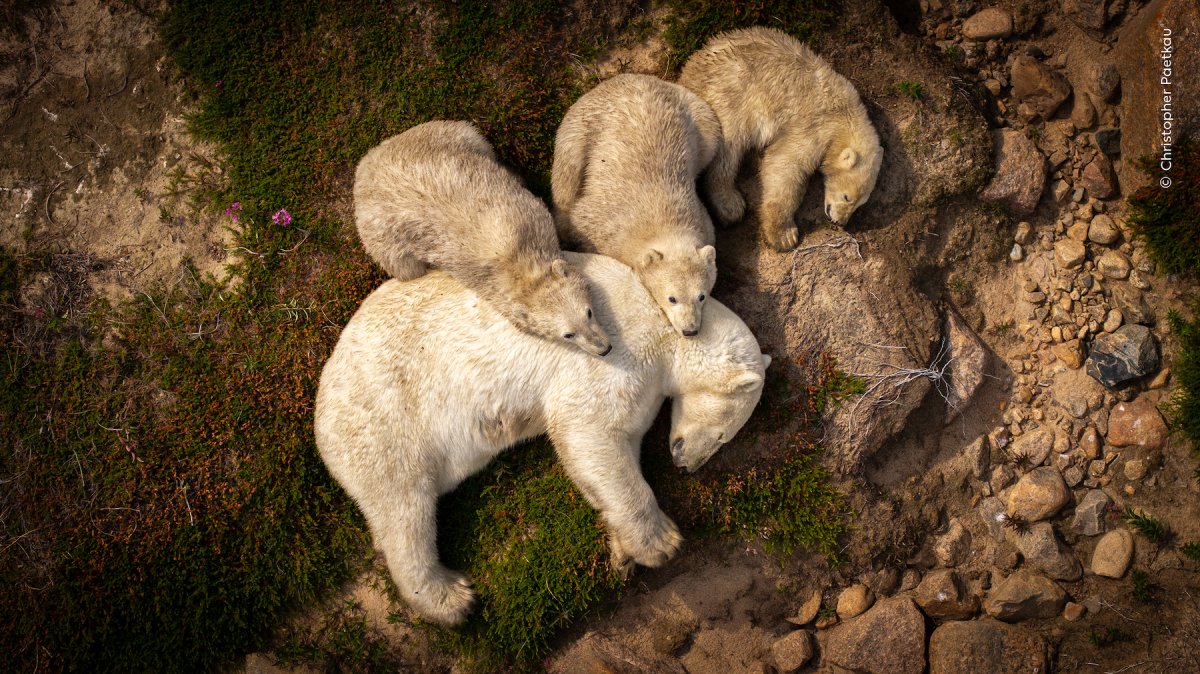
The competition also honored four runners-up: Alexandre Brisson for an image of a flamboyance of flamingoes in Namibia, Kohei Nagira for an image of a post-brawl deer, Will Nicholls for a photo of sparring bear cubs, and Christopher Paetkau for capturing a calm moment for a polar bear family.
The celebrated images will go on display at the Wildlife Photographer of the Year exhibition at the Natural History Museum, London, until the exhibition’s close on July 12, 2026.
Facts Only
Josef Stefan won the Wildlife Photographer of the Year Nuveen People’s Choice Award 2026.
His winning image depicts an Iberian lynx batting a rodent.
The award was decided after nearly 90,000 votes.
The Iberian lynx was near extinction in the early 2000s but now numbers over 2,000 due to conservation efforts.
Stefan described the lynx as a symbol of hope for endangered species.
Four runners-up were honored: Alexandre Brisson (flamingoes in Namibia), Kohei Nagira (post-brawl deer), Will Nicholls (sparring bear cubs), and Christopher Paetkau (polar bear family).
The winning and shortlisted images will be exhibited at the Natural History Museum, London, until July 12, 2026.
The exhibition is part of the Wildlife Photographer of the Year program.
Executive Summary
Austrian photographer Josef Stefan won the Wildlife Photographer of the Year Nuveen People’s Choice Award 2026 for his image of an Iberian lynx playing with a rodent. The photograph, chosen from nearly 90,000 votes, highlights the conservation success of the Iberian lynx, a species once on the brink of extinction but now numbering over 2,000 due to sustained efforts. Stefan emphasized the lynx as a symbol of hope for endangered species and the impact of human responsibility in conservation. The competition also recognized four runners-up, including images of flamingoes in Namibia, a deer post-fight, sparring bear cubs, and a polar bear family. The winning and shortlisted photographs will be displayed at the Natural History Museum in London until July 12, 2026.
The award underscores the intersection of wildlife photography and conservation advocacy, using visual storytelling to draw attention to ecological successes and ongoing challenges. While the focus is on celebration, the broader context includes the fragility of species recovery and the role of human intervention in preserving biodiversity. The exhibition serves as both an artistic showcase and a platform for environmental awareness.
Full Take
The strongest version of this narrative celebrates the power of photography to amplify conservation success stories. Josef Stefan’s image does more than capture a striking moment—it frames the Iberian lynx as a testament to human-driven recovery efforts, transforming a biological fact into an emotional and moral call to action. The competition’s structure, with public voting and a prestigious exhibition, leverages both populism and institutional authority to reinforce the message: conservation works, and art can inspire it. This is a classic example of *ARC-0012 Emotional Resonance with Purpose*—using awe and hope to motivate engagement without resorting to fear or manipulation.
Yet, the pattern scan reveals subtle tensions. The framing of the lynx as a "symbol of hope" risks oversimplifying the complexities of conservation—funding fluctuations, habitat fragmentation, and political will are glossed over in favor of a triumphant narrative. The appeal to popularity (90,000 votes) and borrowed credibility (Natural History Museum) aligns with *ARC-0024 Authority Games*, where the weight of numbers and institutional backing substitutes for deeper critique. Is this storytelling or sanewashing? The narrative assumes that highlighting success will inherently drive action, but history shows that awareness alone rarely translates to systemic change.
Root cause: The paradigm here is *eco-optimism*—the belief that showcasing wins will catalyze further progress. It’s a necessary counterbalance to doom-and-gloom environmentalism, but it also risks complacency. The unstated assumption is that viewers will connect the dots between a single photograph and the decades of policy, science, and community effort behind species recovery. What’s missing? The voices of local conservationists, the trade-offs of rewilding programs, or the species still slipping into extinction without fanfare.
Implications: For human agency, this narrative empowers individuals to see themselves as part of the solution, but it may also absolve systems of accountability. Who benefits? Photographers gain prestige, museums attract visitors, and conservation NGOs gain visibility. Who bears costs? The lynx itself remains vulnerable, and the emotional labor of sustaining hope falls on audiences who may feel powerless to act beyond admiration.
Bridge questions: How might this award influence funding priorities for less charismatic species? What stories of conservation failure or controversy are being excluded by focusing on success? Would the impact of this image change if paired with data on habitat loss or political resistance to rewilding?
Counterstrike scan: A coordinated influence campaign would weaponize this narrative to greenwash corporate or governmental inaction—"Look how far we’ve come!" while deflecting from ongoing harm. The actual content doesn’t match this pattern; it’s a genuine celebration of progress. However, the lack of critical context makes it vulnerable to co-optation by bad actors seeking to dilute urgency. The playbook would involve amplifying the "hope" angle while suppressing counter-narratives about setbacks. This piece doesn’t do that, but its simplicity could be exploited by others.
Patterns detected: ARC-0012 Emotional Resonance with Purpose, ARC-0024 Authority Games
Sentinel — Human
The text shows signs consistent with human authorship. The writing style demonstrates emotion, a personal touch, and unique perspectives, which are not typical of synthetic content.