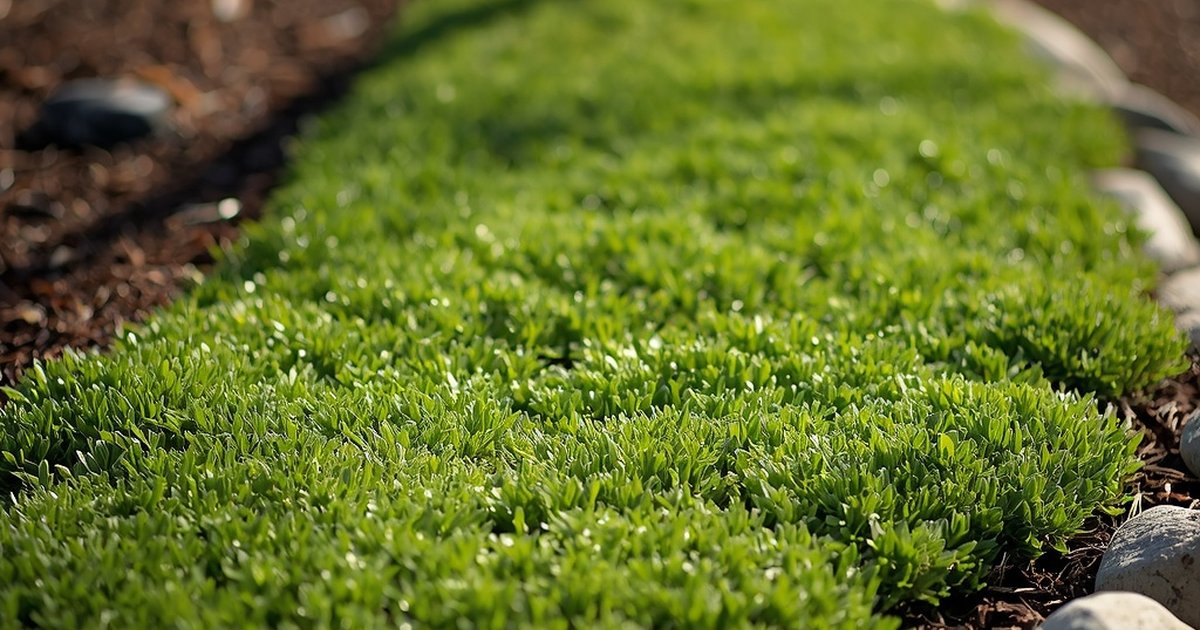
Sagina, commonly known as Irish moss, is one of the most enchanting groundcovers a gardener can add to a landscape. With its dense, emerald-green texture and soft, cushion-like growth habit, it creates the appearance of a living carpet tucked between stones, along pathways, or beneath taller perennial plantings.
In Fort Collins and across Colorado’s Front Range, Irish moss offers a beautiful contrast to the region’s rugged stonework, gravel paths, and sun-washed landscapes. While many drought-tolerant plants lean bold and architectural, Sagina brings softness and calm—transforming small garden spaces into something that feels almost storybook-like.
At [Plantorium.com](https://plantorium.com?utm_source=chatgpt.com Irish moss is valued as a low-growing perennial groundcover that adds texture, elegance, and lush visual detail to carefully designed garden spaces.
Why Irish Moss Performs Well in Northern Colorado
Despite its delicate appearance, Sagina is surprisingly resilient when planted in the right conditions. It thrives in the cooler mornings, bright light, and well-drained soils often found in protected Front Range gardens.
It performs well because:
- It forms a dense, low-growing mat
- It tolerates cool temperatures and Colorado winters
- It softens stonework and pathways beautifully
- It provides year-round texture in milder seasons
The tiny, moss-like foliage remains vibrant green through much of the growing season, and in late spring to early summer, small white flowers appear above the foliage like scattered stars.
When to Plant Irish Moss in Fort Collins
Irish moss is best planted during cooler parts of the growing season.
In Northern Colorado:
- Spring planting allows roots to establish before summer heat
- Early fall planting also works well
- Avoid planting during extreme midsummer temperatures
Because it establishes gradually, cooler weather helps reduce transplant stress.
Sunlight Requirements
Irish moss prefers cooler exposure and performs best with some protection from harsh afternoon heat.
In the Front Range climate:
- Morning sun with afternoon shade is ideal
- Partial shade helps maintain lush growth
- Full sun is possible in cooler locations with consistent moisture
- Intense reflected heat may stress the foliage
In Fort Collins gardens, placement is especially important because Colorado sunlight is stronger than in many coastal climates where Irish moss is commonly grown.
Soil and Growing Conditions
Sagina prefers moist, well-draining soil rich in organic matter.
For best results:
- Amend soil with compost before planting
- Ensure good drainage beneath stone pathways or rock gardens
- Mulch lightly to conserve moisture during hot weather
Irish moss dislikes compacted, dry soil and performs best where moisture levels remain relatively stable.
Watering in a Front Range Climate
Consistent moisture is important, especially during establishment.
Recommended watering approach:
- Water regularly during the first growing season
- Keep soil evenly moist but not waterlogged
- Increase watering during hot, windy weather
- Avoid allowing soil to completely dry out for long periods
Because Fort Collins has low humidity and drying winds, Irish moss may require more attention than some xeric perennials.
Fertilizing and Maintenance
Irish moss is relatively low maintenance once established.
In most landscapes:
- A light compost application in spring is sufficient
- Heavy fertilization is unnecessary
Maintenance is minimal and may include:
- Removing winter-damaged patches in spring
- Light trimming if growth becomes uneven
- Dividing older clumps if thinning occurs
With proper placement, it gradually fills spaces into a soft, seamless carpet.
Garden Role and Landscape Use
Irish moss is primarily used as a textural groundcover and soft filler plant.
It works especially well in:
- Rock gardens
- Between stepping stones
- Pathway edging
- Fairy gardens and miniature landscapes
- Woodland-style borders
- Moist alpine-style plantings
In Fort Collins landscapes, it is often used to soften hardscape elements and create visual transitions between stone, gravel, and perennial beds.
Seasonal Interest and Texture
While the small white flowers are charming, the real appeal of Irish moss lies in its texture. The dense, velvety foliage creates a soothing visual effect that contrasts beautifully with rough stone, gravel, and architectural plants.
Even when not blooming, it remains one of the most visually calming groundcovers in the garden.
Handling Colorado Weather
Irish moss can perform well in Front Range gardens when protected from extremes.
It tolerates:
- Cool temperatures
- Light frost
- Partial shade
- Well-drained mountain-style soils
It is less tolerant of:
- Prolonged drought
- Extreme reflected heat
- Dry, exposed planting sites
- Poor drainage combined with winter freeze-thaw cycles
Strategic placement is the key to long-term success.
Companion Planting
Irish moss pairs beautifully with smaller alpine and woodland-style perennials.
Excellent companions include:
- Creeping phlox
- Ajuga
- Dianthus
- Miniature sedums
- Heuchera (Coral Bells)
- Ferns in cooler locations
- Decorative stonework and gravel gardens
Its lush green texture acts as a visual “resting place” among brighter flowers and structural plants.
A Soft Green Carpet for Thoughtful Gardens
Irish moss offers something increasingly rare in modern landscapes: gentleness. It slows the visual pace of a garden, softening hard edges and inviting closer attention to detail.
In Fort Collins and across the Front Range, Sagina is especially rewarding in carefully placed garden spaces where moisture, shade, and stonework combine to create cooler microclimates.
For gardeners seeking texture, tranquility, and low-growing perennial beauty, Irish moss remains one of the most charming groundcovers available.
Explore seasonal availability and additional perennials at [Plantorium.com’s full plant catalog](https://plantorium.com/all-plants/?utm_source=chatgpt.com
Facts Only
* Sagina is commonly known as Irish moss.
* It is a low-growing perennial groundcover with a dense, emerald-green texture.
* It creates a cushion-like growth habit.
* It is valued for adding texture, elegance, and lush visual detail to garden spaces.
* It thrives in cooler mornings and bright light.
* It tolerates cool temperatures and Colorado winters.
* It forms a dense, low-growing mat.
* It requires moist, well-draining soil rich in organic matter.
* It prefers morning sun with afternoon shade.
* Planting is best done during cooler parts of the growing season, such as spring or early fall.
* It performs well in Front Range gardens when protected from extremes.
* It is used as a textural groundcover in rock gardens, pathway edging, and woodland borders.
Executive Summary
Full Take
The narrative positions Irish moss as an agent of tranquility and visual softness, framing its existence not merely as botanical fact but as a solution to the visual harshness of modern, structured landscapes. This framing relies heavily on associating the plant with specific, desirable emotional states—calm, storybook-like, and gentleness. The focus on the specific microclimate of Fort Collins and the Front Range implies that the plant’s success is contingent upon highly specific, protected environmental conditions (cool temperatures, moisture, shade), subtly suggesting that its beauty is not universally achievable but is gated behind specific, carefully managed settings.
The argument for Irish moss’s suitability rests on the idea that softness inherently contrasts with ruggedness. This functions as a cultural positioning: the plant acts as a foil to the "bold and architectural" nature of the region’s stonework and gravel. This pattern subtly validates a garden design philosophy that prioritizes mitigating starkness over embracing natural ruggedness. The necessity of extensive care—managing soil moisture, protecting from reflected heat, and ensuring specific drainage—reasserts a control paradigm over nature, suggesting that this gentle aesthetic is not accidental but achieved through meticulous human intervention and management.
The suggested companion planting and landscape uses reinforce a pattern where complexity is managed through curated placement; the groundcover exists not as a wild element but as a deliberate textural filler within a carefully designed system. The implication is that true aesthetic ease requires a degree of control and management. The core assumption is that visual calm is intrinsically linked to managed boundaries and stable, moist conditions, implicitly setting an expectation that wild, unmanaged nature is inherently chaotic or unappealing.
Sentinel — Likely Human
The text demonstrates high stylistic consistency and perfect organization, suggesting it was either generated by a highly structured system or written by an expert employing strict, standardized instructional writing patterns.