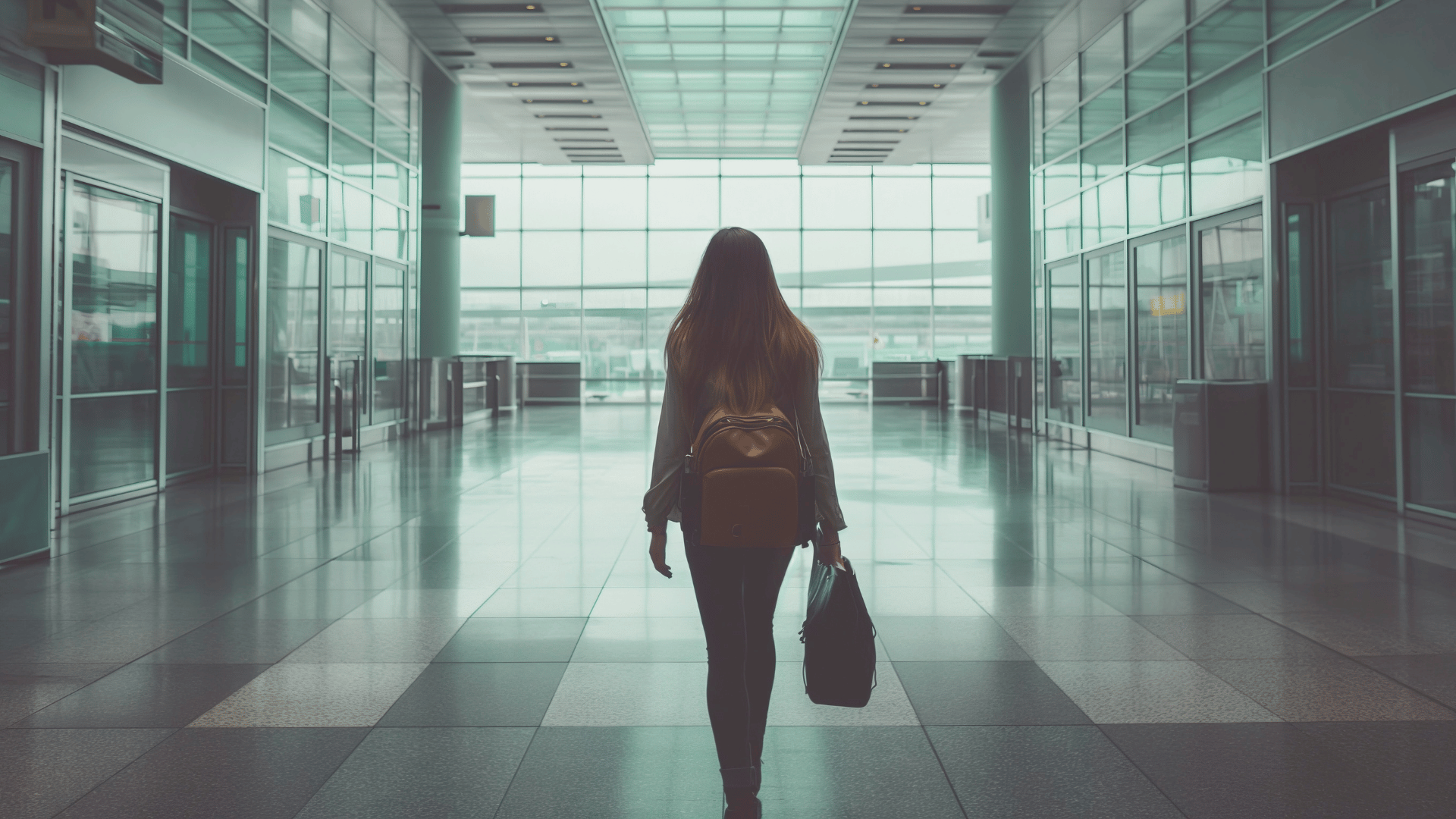
With the rise of the “treat yourself” movement coinciding with the “work from anywhere” era, more and more travelers are looking for places to visit and hotels to call home that are solo traveler friendly. As someone who has been traveling alone for almost 10 years, I know what to look for that makes me feel comfortable being solo. Think: welcoming dining spaces, bars, and walkability to popular attractions.
Here’s my list of the best cities and hotels I’ve visited across the U.S. for a solo staycation!
Charleston, SC
Believe me when I tell you Charleston is every solo traveler’s dream. Easy to navigate, super friendly locals, and safe, even when walking around at night. I’ve been here twice now and could easily spend hours strolling along the waterfront, getting lost along the cobblestone streets, and food-hopping. With a variety of museums, tours, and attractions, there’s plenty to keep you busy for a few days.
Where to stay
For boutique comfort in the heart of it all, The Loutrel is in a central location right near the Charleston Market. The bright lobby area and bar feature decadent plants, a chair swing, hanging lights, local artwork, and tall ceilings. There’s also a rooftop with a bar in the warmer months.
For the luxuries of a hotel but the comforts of an apartment, Hotel Richemont is on King Street’s doorstep and new as of June 2025. Most rooms feature a kitchen space and living room, and there’s a lovely Vietnamese restaurant downstairs called the Two Bit Club.
If you’re in the mood to venture out of downtown, the Cannonborough/Elliotborough neighborhood is alive with diverse restaurants, small bars, and vintage stores. Along a tree-lined street within a collection of historic buildings, 86 Cannon is a 10-room boutique hotel that’s ideal for those traveling alone.
New York City
There’s nothing better when you’re traveling alone than a city that never sleeps. For such a busy place, I’ve always felt really safe in New York. Especially since it’s so well monitored at night and full of tourists. From strolling through Central Park to sitting at a wine bar, there’s always someone to chat with, and they’re from all around the globe. You’ll never be bored with so many events happening year-round.
Where to Stay
Since there’s already so much to do in the city, I look for somewhere that feels like a refuge from the bustle, yet still in a central location for safety as a solo traveler. I’ve stayed at Tempo by Hilton New York Times Square many times and love the social bar/restaurant space and direct views of Times Square.
Across from Bryant Park, Park Terrace Hotel is home to the popular La Pecora Bianca restaurant and the Branch, a private space with a rooftop, large windows, views of the park, and botanical drinks that make it feel like an escape.
With easy access to midtown and downtown, Hotel AKA NoMad may be small in size but the quaint bar area always brings about a lively conversation or two. It’s also close to many restaurants and bars in a less-touristy area, which is nice for an evening out.
Portland, Maine
Known for its thriving brewery scene, status as a top food destination, and fresh seafood, Portland’s artsy culture is ideal for solo travelers looking for a coastal getaway. On a recent trip here, I hopped around to various restaurants and bars, chatting to locals, feeling right at home. The city is also relatively small, so even if you stay out a little later in the evening, it still feels safe to wander.
Where to Stay
A short walk from downtown, the Longfellow Hotel creates the coziest atmosphere. You’ll never want to leave. The rooms are designed in a Scandi-minimalist way, while the Five of Clubs bar/lobby area features pops of blue, a gallery wall, oversized plants, and picture windows. A matcha latte and avocado toast is the ideal way to begin any morning at the on-site Twinflower cafe. Followed by an infrared sauna session at Astraea Spa to ease into the day.
Right in the Old Port District, the Portland Harbor Hotel has a historic feel with all the charm of Portland. The dining area is always buzzing, and the hotel is within walking distance of everything. Ideal if you’re solo.
Boston, MA
This East Coast city is always creeping up in some sort of article or video on best places to solo travel around the U.S. And for good reason. It has the contagious energy of a big city, but all the charm of a small town. From harbor walks and historic buildings to charming neighborhoods and sprawling parks, Boston really has something for everyone. Add in a packed calendar of major sporting events, concerts, cultural festivals, and day-trips, the city is alive with energy year-round.
Where to Stay
Boutique stays are my favorite when traveling solo, which is why the Whitney Hotel in Beacon Hill is a must. With just 65 rooms and a quiet courtyard garden, it feels like a mini-retreat in the city, and its Peregrine restaurant/bar is perfect for a morning breakfast or an evening nibble and drink.
For a lively atmosphere day and night, the Seaport District is near the harbor and has an array of restaurants along the strip. The Omni Boston Hotel at the Seaport is just steps from all the action and even has petite studio rooms in their Artist Tower for solo travelers, along with several food and beverage outlets.
Savannah, GA
A myriad of historic squares, hanging Spanish moss, and old mansions. There’s something ever so charming about Savannah. Along River Street you’ll find people dancing in the streets, music, and busy rooftop bars. While the historic district is lined with boutique stores, cute cafes, and cobblestone streets. And for those traveling alone, the Southern Charm is ever-present, meaning you’ll have no issue chatting with the locals.
Where to Stay
In a prime location facing both the waterfront and historic district, River Street Inn is one of my favorite places to stay in Savannah. Housed in a 200-year-old former cotton warehouse, the entire hotel is centered around a large square spiral staircase that spans five stories. The rooms are bright and decorated with industrial furniture and design elements that nod to the building’s history. But my favorite part has to be the daily Manager’s Reception with complimentary drinks and light bites for guests. Most evenings were spent on the outdoor porch area or at one of the restaurants nearby.
Facts Only
Charleston, SC, is highlighted as a solo traveler-friendly city with easy navigation, friendly locals, and safe nighttime walking.
Recommended Charleston hotels include The Loutrel (central location, rooftop bar), Hotel Richemont (kitchen spaces, Vietnamese restaurant), and 86 Cannon (boutique, 10 rooms).
New York City is described as safe for solo travelers due to nighttime monitoring and tourist activity.
New York hotel recommendations: Tempo by Hilton Times Square (social bar, Times Square views), Park Terrace Hotel (Bryant Park location, rooftop), Hotel AKA NoMad (small bar, less-touristy area).
Portland, Maine, is noted for its brewery scene, food culture, and coastal charm, with a small, walkable downtown.
Portland hotels: Longfellow Hotel (Scandi-minimalist design, café, spa), Portland Harbor Hotel (historic, Old Port District).
Boston, MA, is praised for its mix of big-city energy and small-town charm, with historic sites and cultural events.
Boston hotels: Whitney Hotel (boutique, Beacon Hill, courtyard garden), Omni Boston Hotel at the Seaport (studio rooms, harbor proximity).
Savannah, GA, is characterized by historic squares, Spanish moss, and a lively River Street with bars and music.
Savannah’s River Street Inn is housed in a 200-year-old cotton warehouse, featuring a spiral staircase and daily manager’s receptions.
The article lists cities and hotels based on the author’s decade of solo travel experience.
All recommendations emphasize walkability, social spaces, and central locations.
Executive Summary
The article highlights five U.S. cities—Charleston, New York City, Portland (Maine), Boston, and Savannah—as ideal destinations for solo travelers, emphasizing factors like walkability, safety, and social opportunities. Each city is praised for its unique attractions, from Charleston’s historic charm and waterfront strolls to New York’s 24/7 energy and cultural diversity. Recommended hotels cater to solo travelers with features like central locations, social spaces, and boutique comforts. For instance, Charleston’s The Loutrel offers a vibrant lobby and rooftop bar, while New York’s Tempo by Hilton provides a social hub with Times Square views. Portland’s Longfellow Hotel is noted for its cozy, Scandi-minimalist design and on-site café, and Boston’s Whitney Hotel offers a quiet retreat in Beacon Hill. Savannah’s River Street Inn stands out for its historic setting and daily social receptions. The narrative suggests these destinations balance exploration with comfort, making them particularly appealing for those traveling alone.
The focus on "solo traveler friendly" amenities—such as welcoming bars, walkable neighborhoods, and communal spaces—reflects a broader trend of prioritizing safety, social connection, and convenience in travel. While the recommendations are subjective, they align with common preferences for solo adventurers seeking both independence and opportunities to engage with locals or fellow travelers. The inclusion of specific hotel features, like kitchenettes or rooftop bars, underscores the practical considerations that enhance solo stays.
Full Take
**STEELMAN**: The narrative effectively taps into the growing "treat yourself" and remote work cultures, positioning solo travel as both empowering and accessible. By focusing on tangible amenities—walkability, social hubs, safety—the piece provides actionable advice for a specific audience. The inclusion of boutique hotels with communal spaces (e.g., rooftop bars, courtyards) addresses the dual desire for independence and connection, a genuine need for solo travelers. The author’s firsthand experience lends credibility, and the diversity of cities (coastal, urban, historic) broadens appeal.
**PATTERN SCAN**: The framing leans into aspirational lifestyle marketing, subtly equating solo travel with self-care and personal growth—a common trope in modern travel media. While not overtly manipulative, the emphasis on "safety" and "friendly locals" could exploit anxieties about traveling alone, nudging readers toward curated experiences. The lack of counter-perspectives (e.g., affordability concerns, overtourism impacts) risks presenting these destinations as universally ideal, ignoring potential drawbacks. No overt distortion or bad faith is detected, but the narrative aligns with broader trends in travel content that prioritize aesthetics and social validation over critical analysis.
**ROOT CAUSE**: The paradigm here is the commodification of solitude as a luxury experience. The unstated assumption is that solo travel is primarily about self-indulgence and Instagram-worthy moments, rather than deeper exploration or cultural immersion. This echoes the rise of "experiential consumerism," where travel becomes another product to consume—albeit one framed as liberating. The focus on hotels with social spaces also reflects a cultural shift where loneliness is mitigated through designed interactions, not organic community.
**IMPLICATIONS**: For human agency, this narrative empowers individuals to prioritize personal comfort and safety but may also reinforce a transactional view of travel. Who benefits? Boutique hotels and tourism boards. Who bears costs? Local communities facing gentrification or overtourism (e.g., Charleston’s historic districts). Second-order effects could include homogenization of travel experiences, where solo adventurers seek identical amenities across cities, eroding local distinctiveness.
**BRIDGE QUESTIONS**:
How might the "solo traveler friendly" label exclude those who can’t afford boutique hotels or lack mobility for walkable cities?
What trade-offs exist between safety (e.g., well-monitored areas) and authenticity (e.g., avoiding tourist bubbles)?
If solo travel is framed as self-care, does it risk overlooking the environmental or social impacts of mass tourism?
**COUNTERSTRIKE SCAN**: A coordinated influence campaign would amplify fear-based messaging ("unsafe to travel alone!") then position these cities/hotels as solutions, using testimonials to manufacture consensus. The actual content doesn’t match this—it’s more organic advocacy than manipulation. However, the absence of critical voices (e.g., locals on tourism’s downsides) could still serve a pro-tourism agenda indirectly.
Patterns detected: none
Sentinel — Human
The article exhibits strong human signals, including personal voice, erratic sentence structure, and specific, verifiable details, making synthetic origin highly unlikely.