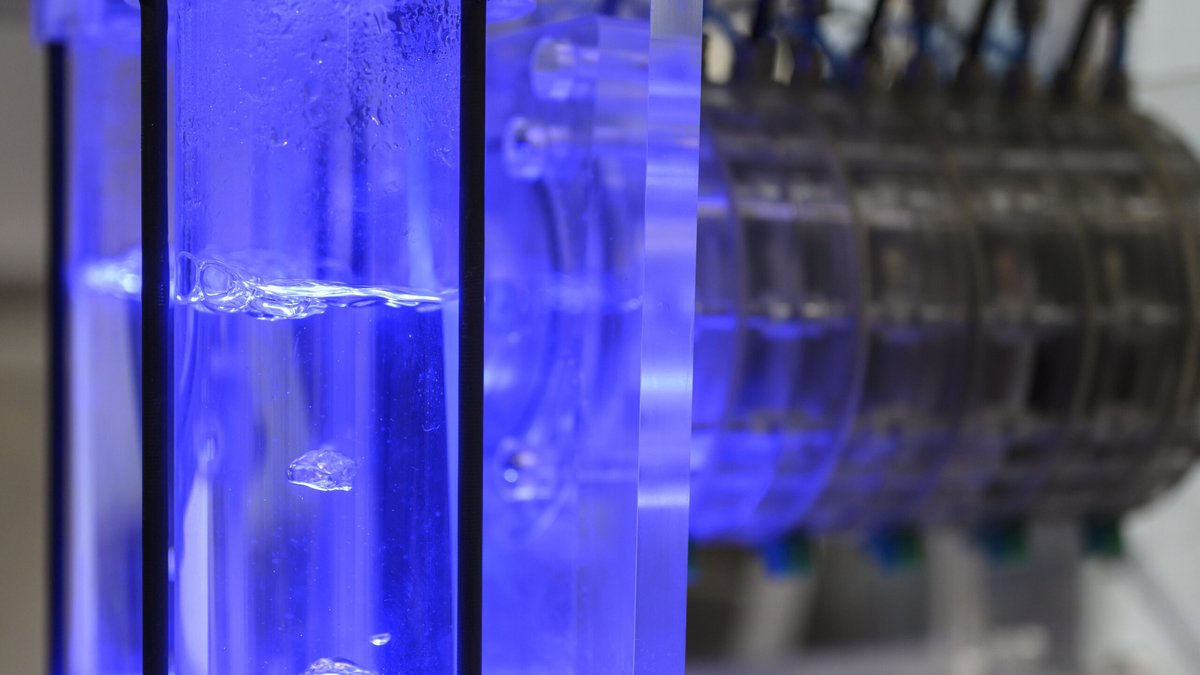
Orica has made a final investment decision (FID) to proceed with its 50 MW Hunter Valley Hydrogen Hub in New South Wales, which is set to receive AUD 432 million ($300 million) in government funding. “This hydrogen will replace gas feedstock in the production of ammonia at Orica’s Kooragang Island facility, reducing emissions from one of Australia’s most intensive industrial processes while helping to establish a domestic market for renewable hydrogen,” stated Arena, the independent agency of the Australian federal government. Under the Hydrogen Headstart program, projects seeking to produce renewable hydrogen, or derivatives, apply for a production credit delivered over ten years to bridge the commercial gap between the cost of producing renewable hydrogen and market prices.
Japan’s Mitsubishi Gas Chemical (MGC) entered into a purchase and sale agreement with India’s Acme Group. “Starting from the commencement of commercial operation, scheduled for 2030, MGC will offtake approximately 100,000 tons per year of green methanol, becoming a key offtaker for the project,” wrote Mitsubishi, underlining Acme’s focus on green methanol, especially in its facility “under advancement” in Odisha, India. “This Agreement will contribute to the stable supply of low carbon energy and materials primarily in Japan and the broader Asian region, while supporting the creation and expansion of green markets,” added MGC.
South Africa’s Sasol and Denmark’s Topsoe will refocus the organisational structure of their Sustainable Aviation Fuel (SAF) partnership for the next phase of market development. “Following a strategic review, the companies have decided to prepare for the orderly operational wind-down of their joint venture, Zaffra, while continuing and enhancing their long-standing technology-led licensing collaboration through the Single Point Licensor (SPL) framework, established in 2019,” said the two companies in an emailed press release.
A consortium including Bumax, EOS, Neste, Nordic Tank, Teknos, SSAB, Wärtsilä, and SP Stainless, launched a a new, multi-sectoral consortium which aims to safely and efficiently store and transport clean hydrogen. “Established by WISE, a programme led by Finnish technology group Wärtsilä, MatH2 is uniquely placed to unlock Finland’s full hydrogen potential, estimated at up to €34 billion by 2035,” said Wärtsilä in a press release.
Developer Techfem and project promoter Teca Gas completed the construction works of the Hydrogen Valley in Lamezia Terme, Southern Italy. The project, funded with €6.85 million ($7,85 million), is located within a former industrial area. It includes a 2 MW PEM electrolyzer for hydrogen production supplied by IMI, storage and compression systems up to 220 bar, and a 480 kW photovoltaic plant consisting of 750 modules. “The configuration enables the production of green hydrogen from renewable sources directly at pressure, with an energy consumption of 55 kWh per kilogram of H₂ at full capacity,” wrote Techfem in an emailed press release.
China’s National Development and Reform Commission (Ndrc) and several Chinese ministries signed implementation measures for the consumption of renewable energy. The framework sets minimum targets for renewable energy, including hydrogen. “The minimum proportion target for non-electricity consumption includes renewable energy heating (cooling), comprehensive utilization of renewable energy for hydrogen, ammonia, and methanol production, and non-electric utilization of renewable energy such as biofuels,” the Chinese government wrote in Article 4. The framework is expected to increase the use of renewable hydrogen, therefore supporting the creation of the relative market.
Please login to comment
Sentinel — Human
This text functions as a factual synthesis of multiple real-world industrial and policy announcements. The structure strongly suggests a human journalist compiling disparate source material rather than synthetic generation.