A bill to create a statewide framework for handling wildfire smoke damage insurance claims is now making its way through California Legislature.
The Smoke Damage Recovery Act, which primary backer Insurance Commissioner Ricardo Lara said stems from the recovery process after the January 2025 Los Angeles wildfires and smoke damage claims, is authored by Assemblyman Mike Gipson.
Related: LA Fire Victims Suing City Utility for Billions Win Major Ruling
The bill was first made public in February.
Assembly Bill 1795 would require that homes contaminated after a wildfire are properly evaluated and restored to a safe and habitable condition. It would hold insurance companies accountable when those standards are not met.
The record L.A. wildfires destroyed thousands of homes and left many properties contaminated by smoke. More than 42,000 insurance claims were filed following the fires, including more than 13,000 claims involving standing homes with smoke damage, according to the California Department of Insurance.
Following the L.A. fires, Lara created the Smoke Claims and Remediation Task Force, which found wildfire victims were falling through the gaps in smoke damage inspection, testing and restoration rules.
Related: Nine Claims Trends to Watch Through The Rest of 2026
The American Property Casualty Insurance Association issued a statement from Karen Collins, vice president, personal lines & environmental policy, for the association. Collins was a member of the smoke task force.
“Wildfire survivors deserve clarity, consistency, and confidence as they recover, and insurers support science-based approaches to evaluating smoke damage and guiding remediation. This report offers credible, practical insight for states grappling with similar challenges,” the statement reads. “APCIA and its members recognize the significant hurdles facing wildfire survivors and support efforts to reduce risk, improve resilience, and expand scientific understanding of smoke-related contaminants. Insurers back the use of testing when grounded in credible, relevant science that informs remediation decisions within the scope of insurance coverage.”
AB 1795 would mandate that if a state or local health or environmental agency issues specific standards for interior smoke testing, screening levels, or restoration, wildfire victims will be able to use those local standards immediately to support and expedite their insurance claims.
AB 1795 would also:
- Create statewide protocols for inspection, sampling, and testing of smoke-related contaminants in residential homes.
- Require insurers to follow consistent remediation standards to restore homes to pre-loss conditions.
- Prevent insurers from terminating additional living expenses benefits until a home is cleared as safe for habitation.
- Require insurers to inspect smoke-damage claims within 30 days of notice.
- Establish timelines for claim payments to ensure survivors receive funds promptly.
- Create training and certification programs for professionals involved in smoke damage assessment, testing and restoration.
The bill would also direct state agencies including the California Environmental Protection Agency and the CDI to develop and enforce standards and guidance to ensure consistent evaluation and remediation of wildfire smoke damage.
Lara last year Lara took legal action against the California FAIR Plan Association for reportedly denying and limiting smoke damage claims from wildfire survivors.
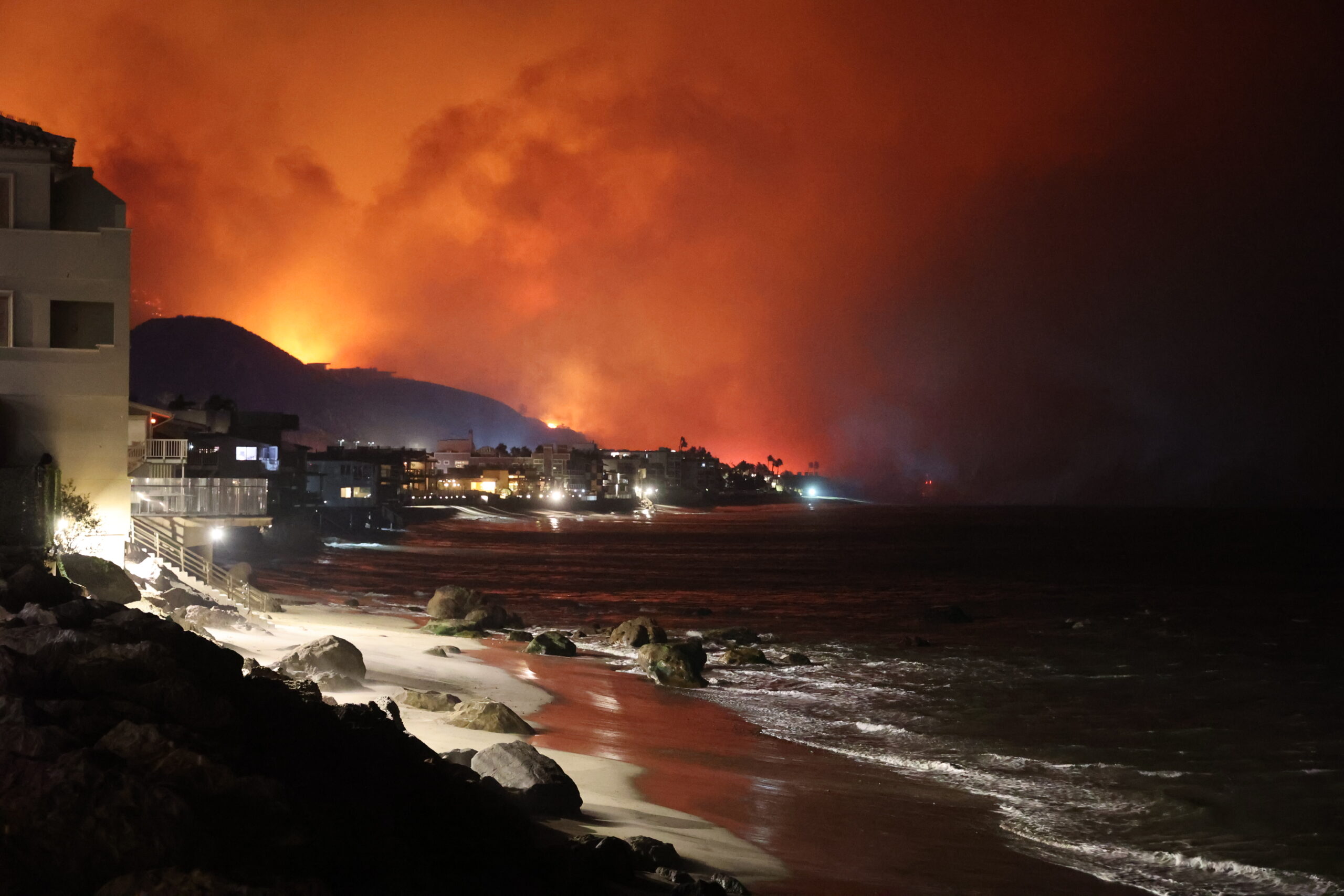
Top photo: 2025 Pacific Palisades Fire. Photo by CalFire.
Topics California
Was this article valuable?
Here are more articles you may enjoy.
Facts Only
* California Assembly Bill 1795 is being considered by the California Legislature.
* The bill aims to create a statewide framework for handling wildfire smoke damage insurance claims.
* Primary backer is Insurance Commissioner Ricardo Lara.
* The bill is authored by Assemblyman Mike Gipson.
* The Smoke Damage Recovery Act stems from recovery efforts after the January 2025 Los Angeles wildfires and smoke damage claims.
* The bill mandates proper evaluation and restoration of homes contaminated by wildfire smoke.
* Insurers will be held accountable for failing to meet established standards.
* Over 42,000 insurance claims were filed following the L.A. fires, including more than 13,000 related to smoke damage.
* The California Department of Insurance reports 13,000 claims involving standing homes with smoke damage.
* The Smoke Claims and Remediation Task Force found gaps in smoke damage inspection, testing, and restoration rules.
* Karen Collins, vice president, personal lines & environmental policy for the American Property Casualty Insurance Association, supports science-based approaches.
* AB 1795 mandates the use of local health and environmental agency standards for smoke testing and restoration.
* The bill establishes statewide protocols for inspection, sampling, and testing.
* Insurers will be prohibited from terminating additional living expenses benefits until a home is cleared as safe.
* The bill mandates 30-day inspection timelines for smoke-damage claims.
* It establishes timelines for claim payments to ensure survivors receive funds promptly.
* The bill creates training and certification programs for professionals involved in smoke damage assessment.
* State agencies including the California Environmental Protection Agency and the CDI will develop and enforce standards.
* Lara took legal action against the California FAIR Plan Association for denying smoke damage claims.
Executive Summary
Full Take
Sentinel — Likely Human
This article presents a straightforward explanation of a bill addressing wildfire smoke damage insurance claims, citing relevant events and stakeholder perspectives. While the text’s careful language suggests human authorship, the reliance on general statements about ‘experts’ and potential for convenient framing raises a moderate concern about synthetic assistance.