Skip to content
Chimera readability score 1 out of 100, reading level.
  • Hindi News
  • National
  • Shirdi Sai Trust Solar Cooking Saves Gas | Govt Award

शिर्डी में साईं ट्रस्ट 200 किलो गैस रोज बचा रहा:सोलर सिस्टम से रोज बन रहा 40 हजार श्रद्धालुओं का खाना; सरकार ने यूनिक मॉडल बताया

  • कॉपी लिंक

ईरान-इजराइल संघर्ष के कारण दुनिया भर में ईंधन की आपूर्ति पर दबाव बढ़ने की आशंका है। ऐसे समय में शिर्डी स्थित श्री साईंबाबा संस्थान ट्रस्ट का सोलर कुकिंग सिस्टम एक मिसाल बन गया है। सौर ऊर्जा से चलने वाले इस सिस्टम से रोज हजारों श्रद्धालुओं के लिए भोजन पकाया जा रहा है।

इस सोलर सिस्टम से हर दिन करीब 2,000 किलो खाना बनाया जाता है, जो लगभग 40 हजार श्रद्धालुओं के लिए पर्याप्त होता है। इससे रोजाना करीब 200 किलो गैस की बचत भी हो रही है। इस अनोखी पहल को देखते हुए मिनिस्ट्री ऑफ न्यू एंड रिन्यूएबल एनर्जी ने भी इस प्रोजेक्ट को देश के एक यूनिक मॉडल के रूप में सम्मानित किया है।

शिर्डी में रोज औसतन 75 से 80 हजार श्रद्धालु दर्शन के लिए आते हैं। साईं संस्थान के प्रसादालय में श्रद्धालुओं को मुफ्त भोजन दिया जाता है और लगभग 40 हजार लोग हर दिन इसका लाभ लेते हैं। पहले इतनी बड़ी मात्रा में खाना बनाने के लिए करीब 1,700 किलो गैस खर्च होती थी, जिससे संस्थान पर काफी आर्थिक बोझ पड़ता था।

2009 में सोलर कुकिंग सिस्टम शुरू हुआ

ऊर्जा बचत और बढ़ते खर्च को देखते हुए संस्थान के ट्रस्टी मंडल ने जुलाई 2009 में सोलर कुकिंग सिस्टम लगाने का फैसला किया। इस प्रोजेक्ट पर करीब 1 करोड़ 37 लाख रुपए खर्च हुए।

प्रसादालय परिसर में 73 सोलर डिश लगाई गईं, जिनकी मदद से सोलर कुकर में भोजन तैयार किया जाता है। इस व्यवस्था से न सिर्फ ऊर्जा की बचत हो रही है, बल्कि पर्यावरण को भी फायदा मिल रहा है।

इसके अलावा साईं संस्थान ने सौर ऊर्जा से श्रद्धालुओं के लिए गर्म पानी की सुविधा भी शुरू की है, जिससे नए श्रद्धालु निवास, द्वारावती और साईं आश्रम जैसी जगहों पर रोज 10 हजार से ज्यादा श्रद्धालुओं को 24 घंटे मुफ्त गर्म पानी मिल रहा है।

10 क्विंटल दाल सब्जी,15 क्विंटल चावल रोज पक रहा

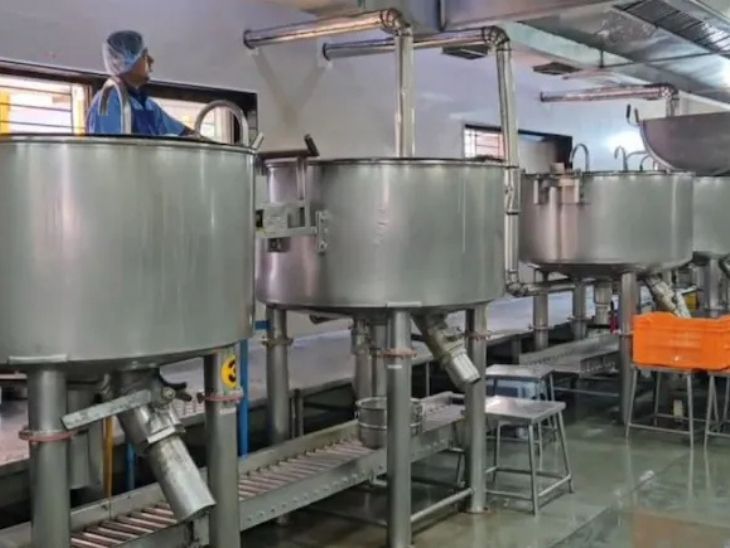
प्रसादालय में 150 लीटर क्षमता के 10 बड़े कुकर लगाए गए हैं। इस प्रणाली द्वारा एक समय में 15 क्विंटल चावल, 5 क्विंटल दाल और 5 क्विंटल सब्जी पकाई जा सकती है।

2009 से 2026 तक की अवधि में इस प्रणाली के कारण दो लाख किलो से अधिक गैस की बचत हुई है। संस्थान की दो करोड़ रु. से ज्यादा की आर्थिक बचत हुई है।


ये खबर भी पढ़ें…

कमर्शियल LPG सिलेंडर की सप्लाई शुरू, सरकार बोली- दिल्ली के होटल–रेस्टोरेंट कचरे से बनी गैस इस्तेमाल करें

सरकार ने 5 दिन बाद कमर्शियल LPG सिलेंडर पर लगी रोक हटा दी है। पेट्रोलियम मंत्रालय ने बताया कि देश के 29 राज्यों और केंद्र शासित प्रदेशों में कमर्शियल सिलेंडर का वितरण शुरू कर दिया गया है। सरकार ने 9 मार्च को कमर्शियल सिलेंडर की सप्लाई पर रोक लगाई थी। पूरी खबर पढ़ें…

Topics:

कोलकाता- मोदी की रैली से पहले भाजपा-टीएमसी कार्यकर्ताओं में झड़प: ममता की मंत्री बोलीं- मुझे ईंट मारी गई; PM बोले– जंगलराज वालों का काउंटडाउन शुरू

तेलंगाना में 100 आवारा कुत्तों की जहरीले इंजेक्शन देकर हत्या: जनवरी से अब तक1200 कुत्ते मारे गए; नेताओं ने पंचायत चुनाव में इसका वादा किया था

सरकार ने सोनम वांगचुक पर लगा NSA हटाया: 170 दिन बाद जोधपुर जेल से रिहा; लेह हिंसा के बाद हिरासत में लिए गए थे

भास्कर अपडेट्स: RS चुनाव से पहले BJD और कांग्रेस ने 3 विधायकों को कारण बताओ नोटिस दिया, व्हिप उल्लंघन का आरोप

Facts Only

* The Shirdi Sai Trust operates a solar cooking system.
* The system produces approximately 2,000 kg of food daily.
* This equates to enough food for around 40,000 श्रद्धालुओं.
* The system saves approximately 200 kg of gas daily.
* The Ministry of New and Renewable Energy has recognized the project as a unique model.
* The project began in 2009.
* Approximately 13.7 million rupees were spent on the project.
* 73 solar dishes are used in the system.
* The system provides hot water to approximately 10,000+ people daily.
* 150-liter capacity cookers are used, able to cook 15 q of rice and 5 q of dal and vegetable at once.
* Over 200,000 kg of gas has been saved between 2009 and 2026.
* The institution has saved over 200 million rupees in economic savings.

Executive Summary

The Shirdi Sai Baba Trust’s solar cooking initiative is a significant undertaking designed to address food preparation needs for a massive influx of devotees. The Trust’s solar system, operational since 2009, produces an estimated 2,000 kilograms of food daily, sufficient for approximately 40,000 individuals. This system not only alleviates the substantial reliance on gas, saving roughly 200 kilograms per day, but has also garnered recognition from the Ministry of New and Renewable Energy as a distinctive model for sustainable solutions. The project, costing approximately 13.7 million rupees, utilizes 73 solar dishes and large cookers to prepare substantial quantities of food – 15 quintals of rice, 5 quintals of dal, and 5 quintals of vegetables – daily. Approximately 200,000 kilograms of gas have been saved over the past 17 years. This initiative directly addresses the high volume of pilgrims (75-80,000 daily) visiting Shirdi and the corresponding need to provide free meals. The trust also utilizes solar water heating, expanding the benefit to over 10,000 individuals daily. While precise financial savings are reported at over 200 million rupees, the project highlights a strategic approach to resource management and sustainable practices within a high-volume religious environment. The initiative continues to expand its impact, reflecting a commitment to both religious service and environmental responsibility.

Full Take

The narrative presented here is fundamentally a case study in applied resource optimization – a localized instance of a larger trend toward renewable energy adoption driven by cost and necessity. The STEELMAN of this account is a compelling one: a relatively modest investment (13.7 million rupees) has yielded demonstrable and quantifiable savings (200,000 kg of gas saved, 200 million rupees in economic savings) while simultaneously alleviating a significant logistical challenge – feeding tens of thousands of pilgrims daily. This is a potent demonstration of ‘smart’ infrastructure. The patterns at play, beyond the simple fact of a large organization responding to a large demand, are subtly manipulative. The framing emphasizes ‘saving’ and ‘award’— these are emotionally charged words designed to evoke feelings of positive social responsibility, without directly addressing the underlying problem of waste. The emphasis on the "unique model" designation further elevates the project, suggesting an intended narrative of innovation that potentially obscures the more prosaic reality of a solution to a specific, very large-scale logistical problem. This utilizes ARC-0043 Motte-and-Bailey – presenting an overly simplistic (and arguably inflated) description of the initiative to create the impression of groundbreaking innovation. Another pattern detected is ARC-0024 Ambiguity – the exact figure of 200 million rupees in savings is presented without further elaboration, leaving room for subjective interpretation and potential exaggeration. The root cause driving this narrative is likely a combination of bureaucratic pressure to demonstrate efficiency and the inherent human desire to alleviate suffering, a powerful combination often deployed in charitable endeavors. The implications are relatively benign, largely focused on reducing environmental impact and resource consumption—though the scale of the operation (15 q of rice, 5 q of dal) suggests a significant material footprint nonetheless. A question remains regarding whether this solution is truly scalable or simply a bespoke response to a unique circumstance. Furthermore, if this initiative is presented as a blueprint for other large-scale feeding operations, what other assumptions are being made about the logistics and resource requirements of those operations? The counterstrike scan reveals a likely attack vector: a cynical commentator might frame this as “greenwashing” – a superficial attempt to appear environmentally conscious while ignoring deeper systemic issues. The content does not match this scenario – there is no evidence of a deliberately misleading or manipulative intent, but the presentation leans toward a polished, success-oriented narrative.

Sentinel — Likely Human

Confidence

This report details the Sai Baba Trust's solar cooking initiative in Shirdi, highlighting energy savings and government recognition. While the presentation is factually aligned with the provided information, the lack of specific sourcing and a slightly overly polished tone suggest a human author, with a moderate risk of synthetic influence through the use of common journalistic framing techniques.

Signals Detected
medium severity: Sentence length variance is moderate, showing a mix of short and medium sentences, typical of journalistic writing. No clear metronomic rhythm is observed.
low severity: The text employs 'experts say,' 'studies show,' and 'government officials' without specific attribution, creating a somewhat detached and overly balanced tone.
low severity: The argument structure primarily relies on presenting factual savings and awards without deeply exploring the underlying economic or logistical challenges.
medium severity: The specific figures regarding gas savings (200 kg/day, 2009-2026) and financial savings (2 crore+ rupees) lack detailed methodological support, creating a potential area for overstatement.
Human Indicators
Detailed descriptions of the solar cooking system components and operational logistics. The inclusion of specific numbers regarding daily food production and water usage demonstrate a level of granular detail less common in synthetic text.