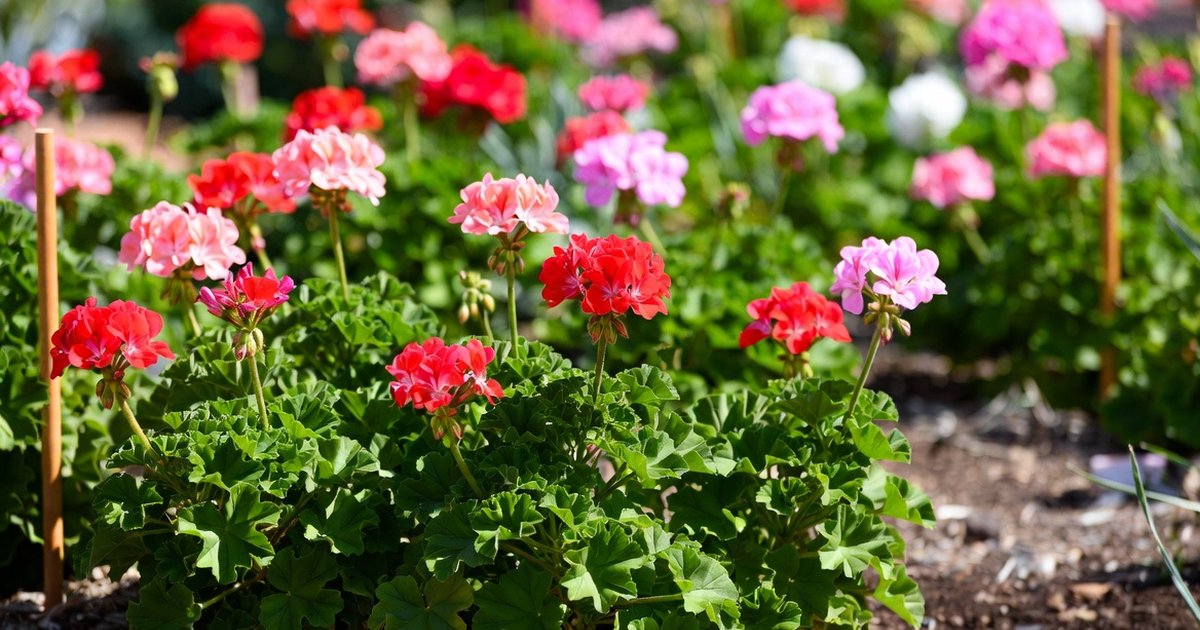
No summer garden along the Front Range is complete without the reliable splash of color provided by Geraniums. While they all share a name, understanding the differences between Zonal, Ivy Leaf, and True Geraniums is the key to a professional-looking landscape. In the intense sun and high-altitude air of Fort Collins, these varieties offer distinct textures and habits for every corner of your yard.
The Architecture of the Zonal Geranium
Zonal Geraniums are the classic "porch plants" of the West. Named for the distinct "zone" or darker ring of color on their rounded leaves, these upright beauties are prized for their thick, sturdy stems and large, spherical flower clusters.
- Best Use: These are the workhorses of sun-drenched patio containers and window boxes.
- Fort Collins Tip: They love the heat but appreciate a bit of afternoon shade when the Colorado sun is at its peak.
- Maintenance: Deadhead spent blooms back to the main stem to keep the plant producing new clusters until the first frost.
The Elegance of the Ivy Leaf Geranium
If you are looking for a plant that gracefully spills over the edge of a stone wall or a hanging basket, the Ivy Leaf Geranium is your answer. With its trailing habit and glossy, ivy-shaped leaves, it offers a more delicate and sophisticated aesthetic.
- Best Use: Perfect for elevated planters or hanging baskets where its "waterfall" effect can be fully appreciated.
- Climate Resilience: Ivy Leaf varieties are particularly heat-resilient, though they prefer consistent moisture more than their Zonal cousins.
- Visual Interest: The flowers are typically smaller and more airy, providing a romantic, cottage-garden feel that complements local architecture.
The Perennial Strength of True Geraniums
Often called Cranesbill, these are the true perennials of the group. Unlike the Zonal and Ivy types (which are technically Pelargoniums and treated as annuals in Colorado), Cranesbill returns year after year.
- Best Use: Use these as a hardy groundcover in perennial beds or rock gardens.
- Durability: They are exceptionally drought-tolerant once established and can handle the alkaline soil common in Fort Collins.
Perfect Pairings for a Polished Look
To create a high-impact "Better Homes" display, pair these Geraniums with other varieties that thrive in our local conditions:
- Agastache (Hyssop): The spiky, vertical blooms of Agastache provide a stunning contrast to the mounding shape of Zonal Geraniums.
- Angelonia: Place the elegant "Summer Snapdragon" behind Ivy Leaf Geraniums in a container for a beautiful layered effect.
- Amaranth: For a bold, textural statement, plant deep-toned Amaranth near bright red Geraniums to create a rich, Victorian-inspired color palette.
- Ornamental Grasses: Use the fine texture of blue fescue to soften the bold, leathery leaves of the Zonal varieties.
Whether you choose the structured Zonal, the flowing Ivy Leaf, or the hardy Cranesbill, these plants ensure your Fort Collins garden remains a vibrant sanctuary all summer long.
Facts Only
* Zonal Geraniums have thick, sturdy stems and large, spherical flower clusters.
* Zonal Geraniums are best used in sun-drenched patio containers and window boxes.
* Zonal Geraniums appreciate afternoon shade when the Colorado sun is at its peak.
* Deadheading spent blooms back to the main stem maintains production for Zonal Geraniums.
* Ivy Leaf Geraniums have a trailing habit and glossy, ivy-shaped leaves.
* Ivy Leaf varieties are heat-resilient but prefer consistent moisture.
* True Geraniums are called Cranesbill and are perennials.
* True Geraniums are used as a groundcover in perennial beds or rock gardens.
* True Geraniums are exceptionally drought-tolerant once established.
* Pairings suggested include Agastache, Angelonia, Amaranth, and Ornamental Grasses.
Executive Summary
Full Take
Sentinel — Likely Human
The text is highly structured and factually dense, showing strong characteristics of AI synthesis optimized for instructional content, though specific local context suggests human editorial oversight.