A North Carolina judge has scrapped a defamation suit by the maker of Splenda against a scientist, ruling the research dispute doesn’t belong in court.
TC Heartland LLC, which manufactures the artificial sweetener, sued researcher Susan Schiffman in 2023 alleging she made defamatory remarks to the public about the product following a study she authored about sucralose. The paper, published that same year in the Journal of Toxicology and Environmental Health, Part B, found “sucralose to be genotoxic” and called for a review of its regulation. A spokesperson for Taylor & Francis, which publishes the title, told Retraction Watch the article is under investigation.
The paper does not mention “Splenda,” but TC Heartland claimed Schiffman “relentlessly” disparaged the sweetener during media interviews to “promote” the paper and warned the public it was dangerous to consume, according to the company’s lawsuit. Schiffman, a professor in the department of electrical and computer engineering at North Carolina State University in Raleigh, countersued TC Heartland for defamation after the company created a webpage that challenged her research and “essentially accused her of being a publicity hound,” according to court documents.
In a June 22 decision, District Judge Catherine C. Eagles dismissed both claims, telling the parties to “return to the marketplace of ideas and laboratories to duke out their differences over artificial sweeteners.”
“Both Dr. Schiffman and Heartland have a First Amendment right to express their views on the safety and health effects of Splenda and sucralose and on the meaning and validity of research investigating those health and safety issues,” wrote Eagles, a judge in the U.S. District Court for the Middle District of North Carolina. “Neither party has produced sufficient evidence to overcome the other’s First Amendment right to talk about the research and the conclusions to draw from the scientific research.”
Eagles said allowing the case to proceed would chill the First Amendment rights of all scientists to speak about their research and would make any sensible scientist “question whether to conduct such research at all.”
Andrew Koppelman, the John Paul Stevens Professor of Law at Northwestern University in Chicago, called the ruling “obviously correct.” As the judge noted, scientific disputes are controlled by existing case law, he said, which establishes that further research and discussion – not litigation – are the best routes for resolution.
“It would be ridiculous if companies could sue scientists for publishing inconvenient findings about their products, or if scientists could then sue when the companies disparage their research,” Koppelman told us. “This is exactly the kind of situation that free speech was designed for.”
Schiffman said she was gratified by the ruling and the close of “a lengthy and burdensome process” that has harmed her reputation and life.
“The Court confirmed what we have maintained from the start, that my public statements about my peer-reviewed research on sucralose-6-acetate are protected free speech,” she told us by email. “My comments in the press release and news interview were accurate summaries of the published scientific findings.”
Heartland expressed disappointment with the court’s ruling and said it plans to appeal, according to a statement sent to us from the company. The evidence shows Schiffman’s research and press tour “disregarded accepted scientific standards, hid contrary data, and misrepresented that Heartland products were included in her research, although they were not,” according to the statement.
“Individuals should be held accountable when they hide evidence that does not support their narrative and mislead the public, and we intend to continue to pursue the truth and correct the record where it has been distorted,” Heartland said in the statement.
Schiffman’s history with Splenda dates back nearly 20 years. In 2008, Schiffman coauthored an analysis that appeared in the Journal of Toxicology and Environmental Health, Part A that suggested the sweetener could disrupt the gut microbiome. The paper drew an expression of concern in 2024 after sleuth Elisabeth Bik posted concerns on PubPeer about Western blots and missing error bars in the article.
The lead author on the article was Mohamed B Abou-Donia of Duke University, whose work has drawn previous scrutiny and retractions. Abou-Donia died in 2023. He was also at the center of a lawsuit by former Duke immunologist Brahmajothi Mulugu alleging Duke leaders conducted an “unjustified” research misconduct investigation after Mulugu reported sexual harassment by Abou-Donia. A judge ruled in favor of Duke in June.
The 2024 expression of concern states Taylor & Francis started investigating Schiffman’s paper after questions about the scientific integrity of the article arose. A spokesperson for the publisher told us the investigation is ongoing, and the 2023 sucralose paper by Schiffman is also under investigation, but would not explain why.
Schiffman’s 2023 study analyzed the toxicological and pharmacokinetic properties of sucralose-6-acetate (S6A), a structural analog of sucralose. The paper, based on in-vitro experiments using human gut cells, purported to show S6A can damage DNA, and that both sucralose and S6A can weaken the body’s gut wall. The study did not measure the sucralose used in Splenda, but tested sucralose from a company called Sigma-Aldrich, according to court records.
The analysis, which cited the 2008 Splenda study, concluded the amount of S6A in a single daily sucralose-sweetened drink may exceed the threshold of toxicological concern used by the European Food Safety Authority.
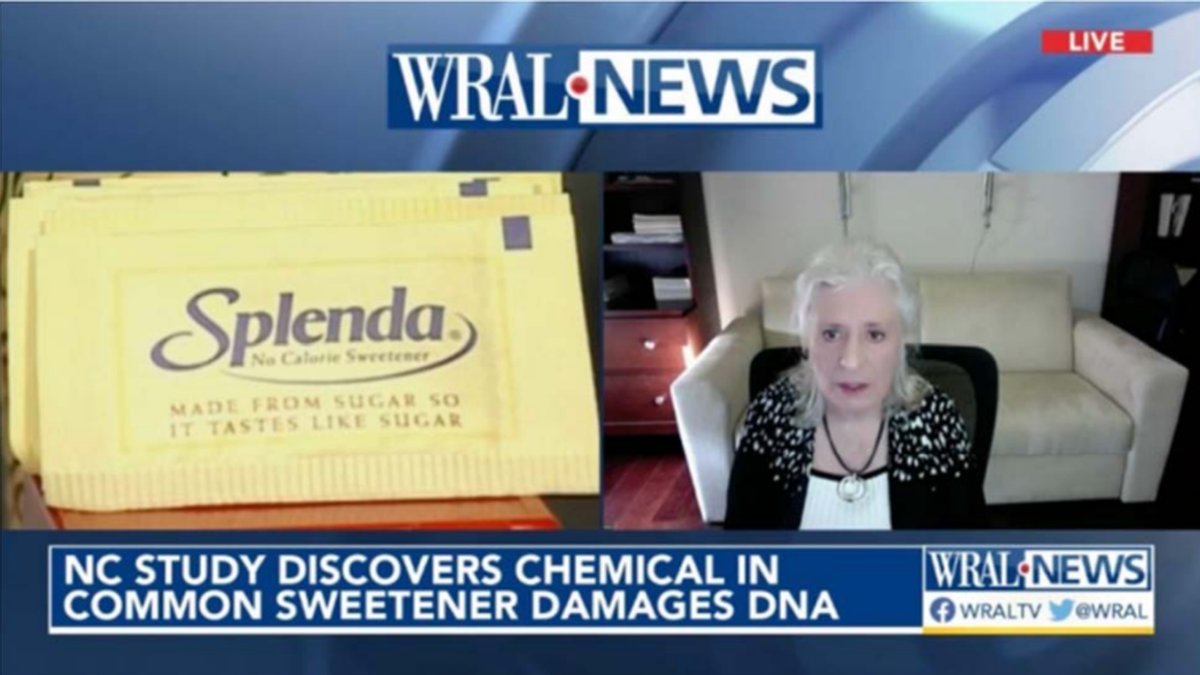
In May 2023, North Carolina State University issued a press release promoting Schiffman’s findings, which included a reference to Splenda. In an interview with WRAL about what she called the dangers of using the product, Schiffman advised consumers to avoid eating anything with sucralose.
Heartland argued Schiffman’s study did not test the sucralose used in Splenda for the analysis, and that routine testing of its product finds “absolutely no” S6A down to the lowest detection limit possible. The company also contended an investigation by North Carolina State University showed Schiffman concealed evidence contradictory to the findings from her coauthors and the public.
According to Eagles’ summary of the case, the university convened a panel of professors to determine if Schiffman had committed research misconduct after Heartland’s legal allegations arose. The committee found Schiffman failed to follow “best practices” by not reporting negative data that surfaced from the study, according to court documents. However, the committee found no intent by Schiffman to mislead and concluded she did not commit research misconduct.
Eagles determined Schiffman’s statements to the media were accurate summaries of her paper and “did not misstate the article’s conclusions.” The judge wrote the university’s investigation supported Schiffman’s legal position because it failed to find any fraud or research misconduct.
Like Retraction Watch? You can make a tax-deductible contribution to support our work, follow us on X or Bluesky, like us on Facebook, follow us on LinkedIn, add us to your RSS reader, or subscribe to our daily digest. If you find a retraction that’s not in our database, you can let us know here. For comments or feedback, email us at [email protected].