- Umwanditsi, Abdalla Seif Dzungu
- Igikorwa, BBC Swahili
- Yakoze inkuru ari, Nairobi Kenya
- Igihe co gusoma: iminota 5
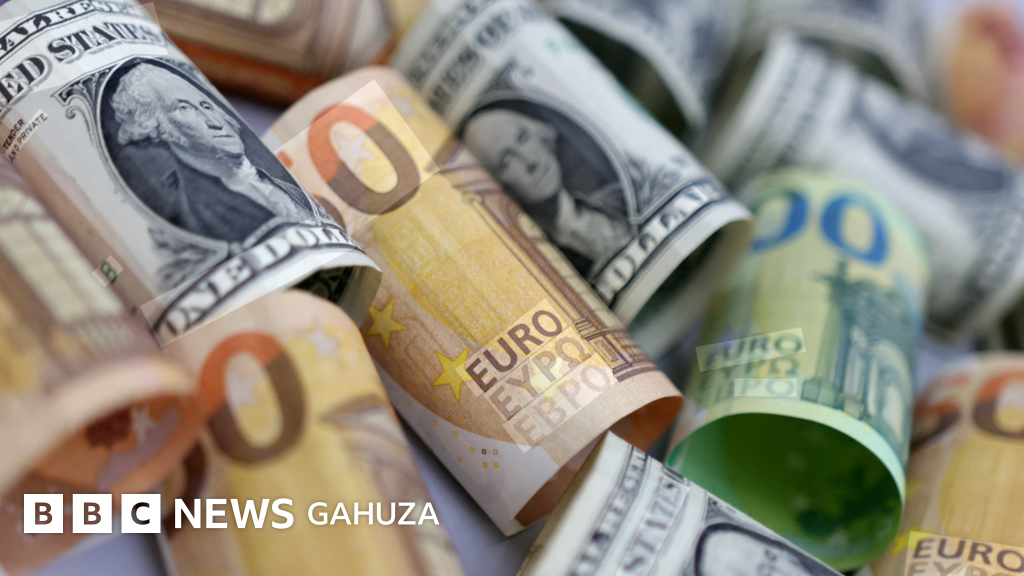
Idolari rya Amerika ni ryo faranga rigurishwa cyane ku isi, nubwo atari ryo faranga rikomeye ku isi (agaciro gakomeye ubu gafite i Dinari rya Kuwait).
Nk'uko ikinyamakuru Forbes kibitangaza, bamwe bakenera ibihumbi byinshi by'amafaranga yabo kugira ngo bagure idorari rimwe ($1) gusa.
Ibi ni ibihugu bifite ifaranga ry'agaciro kari hasi cyane kwishi
1. Ipawundi rya Liban (LBP)
Ipawundi rya Liban niryo ifaranga ry'agaciro ko hasi urigereranyije n'idolari rya Amerika. Iryo pawundi rimwe rya Liban rigura $0.000011. Mu yandi magambo, ibi bivuze ko $1 rigura ibihumbi 89,556 LBP.
Liban ikora ku nyanja ya Mediterane kimwe na Israel na Syria mu Burasirazuba bwo Hagati. Iki gihugu gifite ubukungu bushingiye kuri serivisi kandi gitumiza mu mahanga amabuye y'agaciro, imiti, ibiribwa n'ibinyobwa.
Nk'uko Forbes ibivuga, ipawundi rya Liban rimaze imyaka myinshi riri munsi y'igitutu ku idorari rya Amerika bitewe n'igabanuka ry'ubukungu, izamuka ry'ibiciro n'ubushomeri, ikibazo cy'amabanki n'imvururu za politiki.
2. Rial rya Iran (IRR)
Dukurikije umushinga uhindura amafaranga wakozwe na Forbes, Rial rimwe rya Iran rifite agaciro ka $0.000024, bivuze ko $1 rigura 42,112 ya Rial.
Rial ryo muri Iran ryatangiye gukoreshwa bwa mbere mu mpera z'imyaka ya 1700.
Ifaranga ryagumye kuri icyo gipimo cy'ivunjisha ugereranyije n'idolari mu gihe cy'imyaka myinshi.
Iran ni igihugu gishora mu mahanga ibitoro na gaze, ariko ibihano by'ubukungu bimaze imyaka myinshi byashyize igitutu gikomeye ku ifaranga ry'icyo gihugu.
3. Dong - Vietinam (VND)
Nk'uko Forbes ibivuga, Dong ifaranga ryo muri Vietnam riri ku mwanya wa gatatu kuri uru rutonde, aho idong rimwe rigura $0.000038. Bivuze ko $1 rishobora kugura amaDong yo muri Vietnam 26.345.
Vietnam ihana imbibi n'inyanja y'Amajyepfo y'Ubushinwa, hamwe n'Ubushinwa mu majyaruguru, na Laos mu burengerazuba ndetse na Cambodia mu majyepfo.
Serivisi zigira uruhare runini mu musaruro mbumbe w'iki gihugu, mu buryo bufatika zikaba ari igipimo cy'umusaruro w'ubukungu bw'igihugu, hagakurikiraho inganda nk'amashanyarazi, ingufu n'imyenda.
Ifaranga Dong ryaguye bikabije kubera amategeko agenga ibyoherezwa mu mahanga n'igabanuka ry'ibyoherezwa mu mahanga vuba aha, ndetse n'igihe kirekire cy'izamuka ry'imisoro ya Leta Zunze Ubumwe za Amerika.
4. Kip rya Laos (LAK)
Ifaranga Kip rya Laos ryatangiye gukoreshwa mu myaka ya 1950, rikaba ari ryo faranga rya kane ridafite imbaraga nyinshi, aho idorari rimwe ($1) rivunjwa ama-Kip 21,977.
Laos ni igihugu kidakora ku nyanja gihana imbibi na Vietnam, Thailand, Cambodia n'Ubushinwa. Gishingiye cyane ku byoherezwa mu mahanga nk'umuringa, zahabu n'ibiti.
Iki gihugu cyahuye n'ibibazo by'ubukungu, imyenda yo hanze izamuka n'izamuka ry'ibiciro ku giciro gikabije, byakomeje gushyira igitutu ku gaciro k'ifaranga rya Laos.
5. Rupiah - Indonesia (IDR)
Ifaranga ry'igihugu cya Indonesia ryatangiye gukoreshwa mu 1946. Rupiah rimwe ubu rifite agaciro ka $0.000059, Idorari rimwe rishobora kugura amarupiya ya Indonesia 16,849
Indonesia igizwe n'ibirwa birenga 17,000 biba mu Nyanja ya Pacific, birimo Java, Sumatra, n'ibice bya Borneo na Nouvelle-Guinée.
Ku bijyanye n'umusaruro rusange w'igihugu (GDP), iki gihugu ni cyo kinini cyane muri Aziya y'Amajyepfo y'Uburasirazuba, ahanini bitewe n'urwego rwacyo rwa serivisi.
Indonesia nayo ikungahaye ku bicuruzwa, ariko ifaranga ryayo ryagabanutse agaciro ugereranyije n'andi bitewe n'izamuka ry'ibiciro ndetse n'ubwoba bw'ihungabana ry'ubukungu.
6. Som- Uzbekistan (UZS)
Ifaranga Som ryatangiye gukoreshwa mu 1993 kandi idorari rimwe rya Uzbekistan ubu rivunjwa amaSom 11,937
Uzbekistan ni igihugu giherereye muri Aziya yo Hagati, icyahoze ari Repubulika y'Abasoviyeti.
Ni kimwe mu bihugu bya mbere bicuruza ipamba ku isi kandi gifite ububiko bunini bw'amabuye y'agaciro, peteroli na gaze.
Nk'uko Forbes ibivuga, ni igihugu cyashyizeho amavugurura mu bukungu, ariko gikomeje guhangana n'izamuka ry'ubukungu riri hasi, izamuka ry'ibiciro rikabije, ubushomeri na ruswa.
7. Ifaranga rya Guinée (GNF)
Ifaranga rya Guinée ryatangiye gukoreshwa mu 1959, ubu rifite agaciro ka $0.000115. Ibyo bituma $1 ifite agaciro ka $8.658.25 muri Guinée.
Gineya yahoze ari koloni y'Abafaransa muri Afurika yo munsi y'ubutayu bwa Sahara.
Ikungahaye ku mutungo kamere wa Bauxite, zahabu na diyama, ariko yahuye n'ikibazo cy'izamuka ry'ibiciro ry'ibiciro, imvururu za politike n'impunzi nyinshi ziva mu bihugu bituranye na Liberia na Sierra Leone.
Ifaranga ry'u Burundi ubu rifite agaciro ka 0.00033 imbere y'idorari, bivuze ko idolari rimwe ry'Amerika ubu rigura hafi 3,000 by'amafranga y'u Burundi.
Iki gihugu gituwe n'abaturage barenga miliyoni 14 ikawa n'icyayi byinjiza 90% by'ibyoherezwa mu mahanga.
U Burundi bumaze imyaka myinshi mu ngorane z'ubukungu zikomoka ku mvururu za politike zihera mu mpera z'imyaka ya 1990.
Ibintu byarushijeho kumera nabi kuva aho imiryango mpuzamahanga ihagaritse inkunga yageneraga u Burundi mu gihe bufite ingorane zo kubasha kohereza umutungo kamere ku isoko mpuzamahanga.
8. Guarani ya Paraguay (PYG)
Iri faranga ryatangiye gukoreshwa mu 1952. Guarani ryo muri Paraguay ubu rigurishwa ku madolari 0.00015 bivuze ko $1 rifite agaciro ka 6.619
Paraguay ihana imbibi na Brazil, Arijantine na Boliviya. Iki gihugu ni cyo gihugu gitanga umusaruro mwinshi wa soya, inyama z'inka n'ibigori.
Ifaranga ryagiye riterwa igitutu n'izamuka ry'ibiciro, ko kwiganwa kwiryo faranga byatumye rita agaciro .
9. Ariary - Madagascar(MGA)
Nk'uko Forbes ibivuga, Ariary yatangije gukoreshwa mu 1961. Iryo faranga rimwe ubu rifite agaciro ka $0.00021, bigatuma idolari rimwe rigura 4,155.
Madagascar ni ikirwa kiri mu nyanja y'Ubuhinde, ubukungu bwacyo bushingiye k'ubuhinzi, ubucukuzi bw'amabuye y'agaciro, uburobyi n'amashyamba ni byo by'ingenzi mu bukungu bw'igihugu.
Ibicuruzwa byoherezwa mu mahanga birimo vanila, amabuye y'agaciro ya nikeli.
10. Ishilingi rya Uganda
Ishilingi rya Uganda riri mu mafaranga adafite agaciro imbere y'idorari aho idorari rimwe ubu rivunjwa amashilingi 3,760 ya Uganda.
Uganda ni igihugu cy'ubukungu bukomeye imbere mu gihugu ariko cyakomeje kugorwa no kubasha kohereza ibicuruzwa byinshi ku isoko mpuzamahanga mu musaruro wacyo.
Ubukungu bwa Uganda bushingiye ku buhinzi, inganda hamwe na serivisi ishingiye ku isoko rinini ry'imbere mu gihugu.
Facts Only
The Lebanese pound (LBP) is the weakest currency globally, with $1 equivalent to 89,556 LBP.
The Iranian rial (IRR) ranks second, with $1 equal to 42,112 IRR.
The Vietnamese dong (VND) is third, with $1 equal to 26,345 VND.
The Laotian kip (LAK) is fourth, with $1 equal to 21,977 LAK.
The Indonesian rupiah (IDR) is fifth, with $1 equal to 16,849 IDR.
The Uzbekistani som (UZS) is sixth, with $1 equal to 11,937 UZS.
The Guinean franc (GNF) is seventh, with $1 equal to 8,658.25 GNF.
The Burundian franc is eighth, with $1 equal to approximately 3,000 BIF.
The Paraguayan guarani (PYG) is ninth, with $1 equal to 6,619 PYG.
The Malagasy ariary (MGA) is tenth, with $1 equal to 4,155 MGA.
The Ugandan shilling (UGX) is also listed, with $1 equal to 3,760 UGX.
Lebanon's currency devaluation is linked to banking crises, political instability, and economic mismanagement.
Iran's rial has weakened due to sanctions and economic challenges.
Vietnam and Indonesia face currency pressure despite strong service sectors.
Burundi's economic struggles are tied to political conflicts and reduced foreign aid.
Paraguay and Madagascar rely heavily on agriculture and commodity exports.
Executive Summary
The article highlights the ten weakest currencies globally in 2026, ranked by their value against the US dollar. The Lebanese pound (LBP) is the least valuable, with $1 equivalent to nearly 90,000 LBP, followed by the Iranian rial (IRR), Vietnamese dong (VND), Laotian kip (LAK), and Indonesian rupiah (IDR). Other currencies on the list include the Uzbekistani som (UZS), Guinean franc (GNF), Burundian franc, Paraguayan guarani (PYG), Malagasy ariary (MGA), and Ugandan shilling (UGX). The devaluation of these currencies is attributed to factors such as economic instability, political turmoil, reliance on commodity exports, and external sanctions. For instance, Lebanon's currency collapse stems from banking crises and political instability, while Iran's rial has suffered due to long-standing sanctions and economic mismanagement. Similarly, countries like Vietnam and Indonesia, despite strong service sectors, face currency pressure from trade imbalances and external economic shocks. The analysis underscores how geopolitical and domestic challenges can severely impact currency stability, particularly in developing economies.
The list also reflects broader economic trends, such as the vulnerability of commodity-dependent nations to global price fluctuations and the lingering effects of historical colonial legacies. While some countries, like Uganda, show signs of economic growth, their currencies remain weak due to structural constraints. The article does not speculate on future trends but presents a snapshot of currency valuations as of 2026, emphasizing the interplay between economic policies, external pressures, and internal governance in shaping monetary strength.
Full Take
The narrative presents a clear ranking of the world's weakest currencies, framing their devaluation as a consequence of economic mismanagement, political instability, and external pressures. The strongest version of this argument is that currency weakness is a symptom of deeper systemic failures—whether due to sanctions (Iran), banking collapses (Lebanon), or over-reliance on volatile commodity markets (Guinea, Laos). The article avoids overt emotional manipulation but leans into a pattern of framing economic struggles as inevitable outcomes of governance failures, which could subtly reinforce deterministic views of development.
However, the analysis risks oversimplifying complex economic dynamics. For example, while sanctions are cited as a cause of Iran's currency woes, the piece does not explore counterfactuals—what if Iran's economy had diversified earlier? Similarly, the focus on political instability in Lebanon and Burundi, while valid, could obscure structural issues like global financial systems that disproportionately disadvantage smaller economies. The narrative also assumes a direct correlation between currency value and economic health, which may not always hold true—some countries with weak currencies have thriving informal economies or alternative trade mechanisms.
The root cause paradigm here is neoliberal economic orthodoxy: weak currencies are bad, strong currencies (like the Kuwaiti dinar) are good, and the path to strength lies in stability, diversification, and integration into global markets. But this framing ignores historical contexts—such as colonial legacies that shaped many of these economies—and alternative models of economic resilience. For instance, Vietnam's dong is weak, yet its economy has grown rapidly through manufacturing and exports. Does currency strength alone determine prosperity, or are there other metrics of success?
The implications for human agency are mixed. On one hand, the article highlights how ordinary citizens bear the brunt of currency collapses through inflation and reduced purchasing power. On the other, it implicitly places responsibility on governments to "fix" these issues, potentially sidelining grassroots economic strategies or community-based resilience. Who benefits from this narrative? Financial analysts, policymakers, and global investors who prioritize currency stability as a marker of economic viability. Who bears the costs? Local populations in these countries, whose daily struggles are reduced to exchange-rate statistics.
Bridge questions: What if currency weakness, in some cases, enables export competitiveness or shields local industries from foreign domination? How might alternative economic models—such as regional trade blocs or digital currencies—challenge the dominance of the US dollar as the benchmark for value? And crucially, whose voices are missing from this analysis—small business owners, informal traders, or economists from the Global South who might offer different interpretations?
Counterstrike scan: If this were part of a coordinated influence campaign, the playbook would likely emphasize the failures of non-Western economic models while subtly promoting dollar-centric financial systems. The actual content does not fully align with this—it presents facts without overt ideological slant—but the framing of "weak" vs. "strong" currencies could serve as soft power reinforcement of Western economic norms. No clear manipulation patterns detected, but the underlying assumption that currency strength equals economic health warrants scrutiny.
Patterns detected: none
Sentinel — Human
LIKELY_HUMAN (confidence: 0.15)