Last week, following escalating attacks on critical energy and water facilities, the Israeli-U.S. war in Iran entered a new stage. “Now the war on infrastructure has started,” said Kaveh Madani, a water researcher at the United Nations University and former deputy vice president of Iran.
On March 18, Israel struck the South Pars gas field in Iran, the largest natural gas field in the world. Iran is heavily dependent on South Pars for its energy supply; by some estimates, the field accounts for 90 percent of the country’s domestic energy use.
The assault on South Pars kicked off a series of retaliatory attacks from Iran on energy facilities throughout the region, including an aerial strike that caused considerable damage to Ras Laffan, a sprawling liquefied natural gas, or LNG, facility in Qatar — the world’s largest LNG export hub. About one fifth of the globe’s LNG supply comes from this plant, according to Bloomberg. Qatar’s energy minister said the damage could take three to five years to repair.
This escalation in hostilities has added more pressure to an already fraught situation affecting the energy industry in the Persian Gulf, which will continue to have implications both regionally and worldwide. The price of Brent crude, considered the global benchmark of crude oil prices, spiked after the South Pars attack, reaching nearly $120 per barrel. It has since fallen a bit, to just under $100 per barrel.
But another casualty of the attacks on infrastructure is water security. Even before oil and gas facilities became targets of war, water desalination plants in the Gulf were being struck. In a region with scarce freshwater, these plants deliver clean drinking water to millions — particularly in Qatar, Bahrain, and Kuwait, where roughly half or more of their total water supply comes from desalination.
The threat of future damage to these key operations looms over the Arabian Peninsula. Over the weekend, following the attacks on oil and gas facilities, President Donald Trump issued an ultimatum to Iran: reopen the Strait of Hormuz within 48 hours or the U.S. would destroy the nation’s power plants. Iran responded by threatening to demolish energy and water systems throughout the Gulf if Trump went after Iranian energy. Although negotiations between the United States and Iran appear to be ongoing behind closed doors, on Wednesday, March 25, Iranian officials rejected Trump’s offer for a ceasefire agreement.
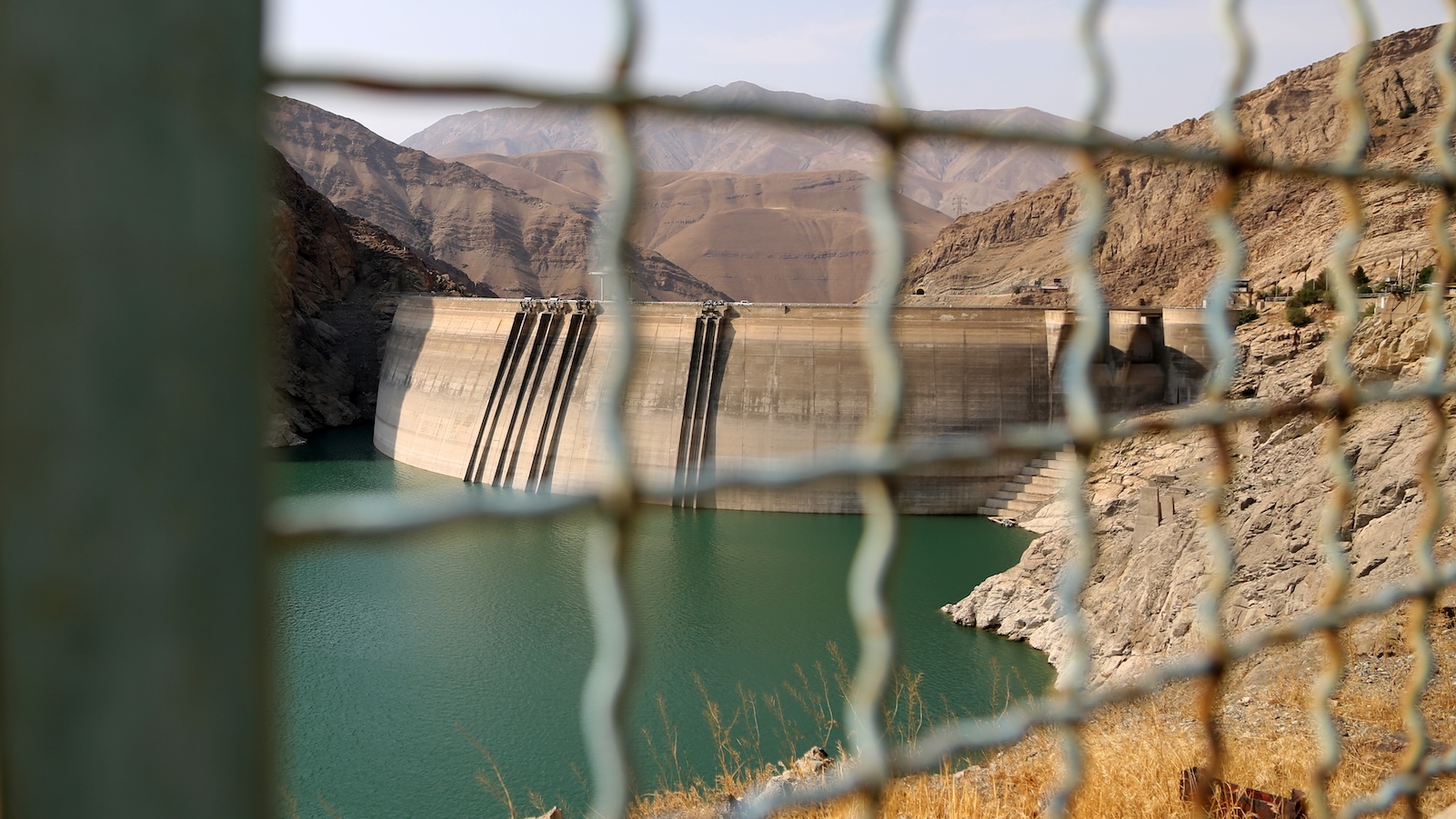
With no indication of just how long the war might last, conditions in Iran and throughout the Gulf may continue to deteriorate. Iran is no stranger to water scarcity — the country has a history of water challenges both inciting social unrest in urban areas as well as clashes between farmers in more rural settings. With its arid climate, poor water management practices, and rapid population growth, Iran is already one of the most water-stressed countries in the world. The country has been facing an unprecedented climate-charged drought for the last six years. That limited rainfall has collided with Iran’s legacy of overpumping water from aquifers and reservoirs.
All this means that the country is in a state of “water bankruptcy,” a concept that Madani developed roughly 10 years ago to describe how Iran’s unchecked water use is outpacing its diminishing water resources.
By and large, though, Iran is much less vulnerable to attacks on desalination plants than other countries in the Gulf. Most of those countries “have a very small number of very critically important desalination plants and they can very easily be damaged,” said Peter Gleick, a co-founder and senior fellow of the Pacific Institute in Oakland, California. “That’s a serious worry. … They have no long-term storage. There are no large reservoirs. There are no alternatives.”
However, that doesn’t mean that Iran is completely immune to attacks on its water security — which may have spillover effects on its food security. Only a small fraction of Iran’s water supply comes from desalination plants. But strikes on its power plants would indeed hamper the country’s water supply, said Madani. Without electricity, water treatment operations could not run.
When ships and oil tankers in the Gulf are struck, the contamination from those attacks (such as oil spills) could derail Iranian fisheries and aquaculture — although this hasn’t happened yet, said David Michel, a senior associate with the Global Food and Water Security Program at the Center for Strategic and International Studies. On land, food producers face other potential challenges: When drones or missiles strike certain Iranian facilities — such as weapons factories, some of which are in close enough range of farms — the explosions that can result from those attacks often contain things like PFAS, propellants, and other toxic chemicals. Those substances could leech into agricultural soils nearby, creating problems for both farmers and consumers down the line.
The economic impacts of the war can also indirectly affect farmers. Since March 3, the state has banned all food and agricultural exports in what looks like an attempt to bolster its domestic food supplies during wartime, said Michel. But that “distorts incentives for production and consumption,” he added, “and that will have impacts on agricultural systems and food security,” potentially leading to higher inflation on food prices, which was a burden for Iranians before the current conflict.
Madani and other experts have argued that in order to rehabilitate its water system, Iran will need to shift agricultural production from specialty crops like pistachios to staple crops like wheat and other grains. Currently, Iran imports a significant amount of these cereals. Gleick added that, should the country’s water expenditures continue to exceed its water resources, Iran may become more reliant on desalination plants in the future, which would have its own knock-on effects. For instance, Gleick said, “You then have to spend energy to move that water to the big cities.”
Like climate change, the war in the Gulf has only increased pressure on Iran’s water and agricultural systems, said Madani. “If your system is already inefficient, it becomes even more difficult during the war,” he said. He agreed that positive change is possible, but unlikely in the short-term — as long as hostilities are ongoing. “During war, you are only thinking about surviving.”
Facts Only
On March 18, Israel struck South Pars gas field in Iran, the largest natural gas field in the world
Iran relies heavily on South Pars for its energy supply; it accounts for about 90 percent of domestic energy use
Retaliatory attacks by Iran targeted energy facilities throughout the region, including Ras Laffan LNG facility in Qatar
About one fifth of global LNG supply comes from Ras Laffan; damage could take three to five years to repair
President Trump issued an ultimatum to Iran: reopen the Strait of Hormuz within 48 hours or face destruction of its power plants
Iran responded by threatening to demolish energy and water systems throughout the Gulf if attacked by the U.S.
Iranian officials rejected Trump’s offer for a ceasefire agreement on March 25
Executive Summary
Full Take
The current conflict between Israel, the U.S., and Iran has intensified and expanded to include attacks on critical energy and water infrastructure in the Persian Gulf. The escalation puts additional pressure on an already strained water security situation in the region, particularly affecting countries like Qatar, Bahrain, and Kuwait that heavily rely on desalination plants for their water supply. The conflict also has indirect effects on food security through disruptions to agriculture and fisheries due to damaged facilities or contamination from oil spills.
As the war continues, Iran's water resources—already challenged by drought, poor water management practices, and rapid population growth—are under increased stress. This could lead to social unrest in urban areas and clashes between farmers in more rural settings. The conflict has also impacted Iran's food security, with the state banning all food and agricultural exports in an attempt to bolster domestic supplies during wartime, potentially leading to higher inflation on food prices.
The long-term implications of the conflict remain uncertain, but it is clear that it exacerbates existing vulnerabilities in Iran's water and agricultural systems. Positive change may be difficult in the short term as hostilities persist.
Questions for further consideration:
How will the current conflict affect food prices and distribution globally?
What role can regional and international cooperation play in mitigating the water security challenges faced by countries in the Persian Gulf?