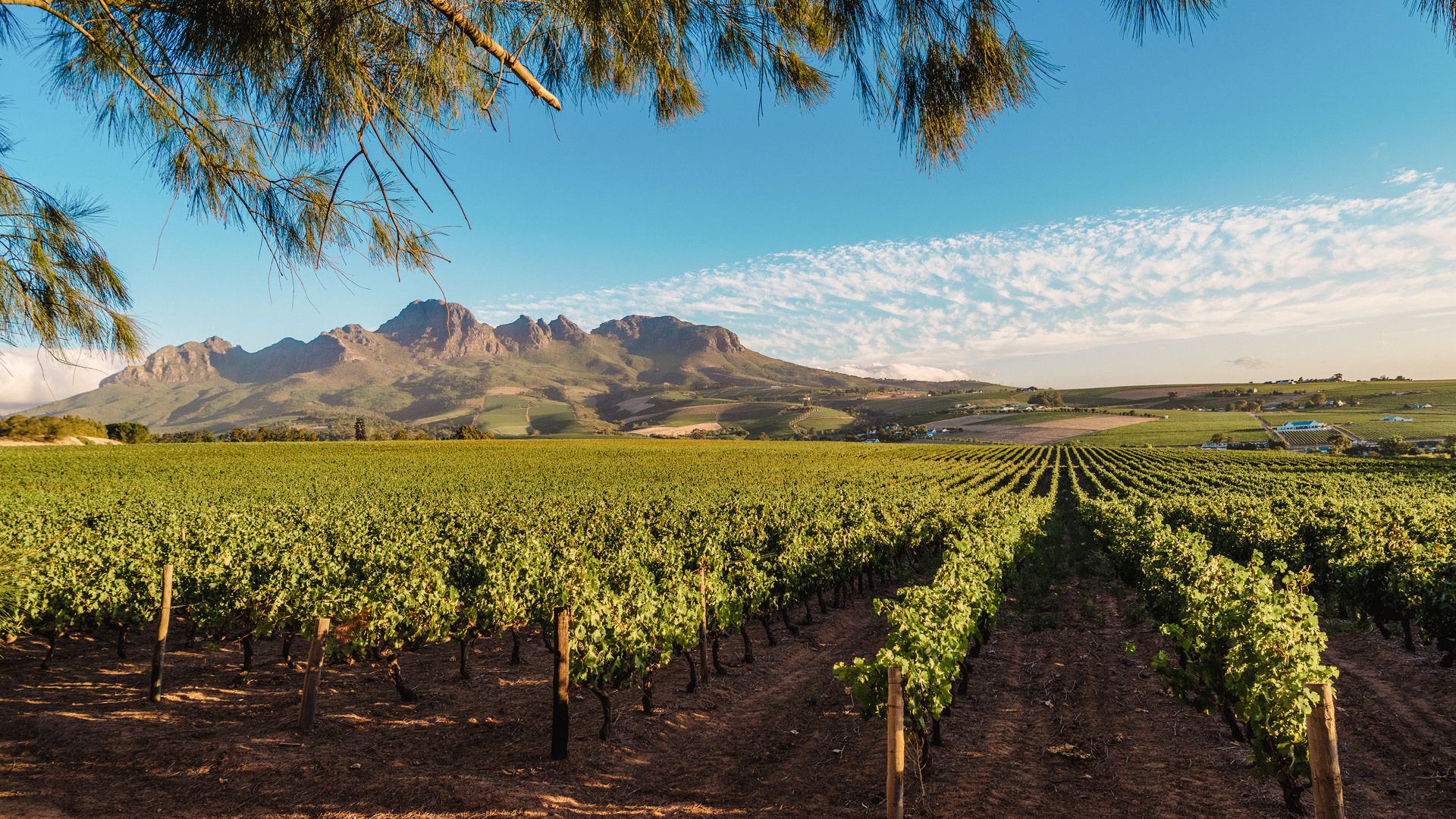
South Africa: Gold-winning white wines
South Africa’s white wines reach new heights showcasing 45 Gold medals at DWWA 2025
Get our daily fine wine reviews, latest wine ratings, news and travel guides delivered straight to your inbox.
You are now subscribed
Your newsletter sign-up was successful
A record-breaking performance for South Africa at the Decanter World Wine Awards in 2025 has further enhanced the country’s reputation for producing stellar white wines in many different growing regions.
South African winemakers are no strangers to success at the world’s largest wine competition, but 45 Gold medals at DWWA 2025 is a new high. Results also showcased a fascinating white wine scene going from strength to strength in the country.
DWWA Regional Chair for South Africa Fiona McDonald highlighted several Golds for Chenin Blanc, in particular.
'It’s a genuine delight to see how focused the wines are while retaining a sense of style and personality – much like their respective makers!’ she said.
South African Chardonnay was again a strong performer at DWWA 2025. Top medallists demonstrated stylistic nuance alongside core characteristics of elegance and balance. McDonald emphasised a trend for restraint in terms of oak use and ripeness.
‘It’s also cheering to see Sauvignon Blanc and white blends nudge their way into the limelight,’ added McDonald.
Explore a selection of Gold medal winners below, underpinned by DWWA’s rigorous judging process involving leading experts.
Get our daily fine wine reviews, latest wine ratings, news and travel guides delivered straight to your inbox.
Explore the full results from DWWA 2025 at awards.decanter.com
Cape Coast
Quoin Rock, Chardonnay 2022
Gold, 95 points
Rhubarb crumble, vanilla custard and lemon curd on toast draws you in, with nectarine acidity and a crushed stone mineral note to end. Alcohol 13%
Cape Town
Durbanville Hills, The Tangram, Durbanville 2023
Gold, 96 points
Buoyant leafy herbs and green tree fruits on a softly structured palate. Smoky oak and vibrant white peach meld nicely with the bright acidity. Alc 14%
Spier, 21 Gables Chenin Blanc 2022
Gold, 95 points
£27 Vinvm
Steely, cedary and sophisticated on the nose, giving way to lush buttered brioche and lime marmalade complexity on the palate, finishing with crisp juicy apples. Alc 14.5%
Ceres Plateau
De Grendel, Op Die Berg Chardonnay 2024
Gold, 96 points
US$32-$35 All Star, Empire Wine, Tribeca Wine Merchants, Wine.com
Vibrant aromas of crushed flint and chalk cut through fresh citrus, apple and apricot flavours, with nervy acidity and an appetising texture to lift the finish. Alc 13.5%
Citrusdal Mountain
Donkiesbaai, Steen, Piekenierskloof 2024
Gold, 95 points
£26.95-£30 Dunell’s, Frontier Fine Wines
Old vine Citrusdal Mountain character offering plenty of honeyed melon, apple and peach cordial. Superb waxy texture and lime zest acidity, with a long fennel finish. Alc 13.5%
Coastal Region
Bellingham, The Founders Series Freda 2021
Gold, 95 points
Charming oyster shell and gun flint notes adorn layers of lime curd and a creamy texture. Generous and bold, with savoury tension to the finish. Alc 13.5%
Elgin
Kershaw, Clonal Selection Chardonnay 2021
Gold, 95 points
£45-£54 Great Wines Direct , Hallgarten Wines, Strictly Wine, Southafricanwines.co.uk, The Savanna, Vinvm, Winoship
Lemon tart, lime leaf and white blossom nuances crown a chalky texture, with vanilla oak, marmalade succulence and striking acidity. Alc 13.5%
Paul Cluver, Sauvignon Blanc 2024
Gold, 95 points
Green grass, leafy herbs and citrus play to the crowd, with a persistent buzz of freshness and a central purity that lingers long. Alc 13.5%
Franschhoek
Backsberg, Smuggled Vines Chardonnay 2024
Value Gold, 95 points
US$27 The Wine Concierge
Lily of the valley perfume fringes the melon, apricot and peach fruit aromas. Cohesive and energetic, with tangy lemon acidity and crushed stone elegance. Alc 13.5%
Overberg
Thamnus, Chardonnay 2022
Gold, 96 points
£44-£48 Hedonism, Museum Wines, Swig
A banquet of sumptuous fruit aromas: mango, melon, peach, nectarine and citrus. A juicily mouthwatering texture, invigorated by a flinty mineral grip. Seamless. Alc 13.5%
Paarl
Perdeberg, Endura Single Vineyard Chenin Blanc, Paardeberg 2023
Gold, 95 points
Intense peach, yellow apple and orange fruit interspersed with spiced ginger crumbs. Golden and clingy, generous and entrancing with a long, herby finish. Alc 14%
Stellenbosch
Simonsig, Langbult Steen Old Vine Chenin Blanc 2024
Gold, 96 points
£19.50 Lekker Wine
Blossom and honeysuckle floral aromas combine beautifully with juicy melon and white stone fruit, lifted by crisp sherbet acidity. A long, elevating finish. Alc 13%
Ken Forrester, The FMC Chenin Blanc 2024
Gold, 95 points
£44-£60 Widely available via UK agent Enotria
A scrumptious glass of apple compote and honeysuckle with a briny mineral twist, grapefruit acidity to invigorate and a quenching tug of quince to finish. Alc 13%
Rustenberg, Wild Ferment Sauvignon Blanc, Simonsberg-Stellenbosch 2024
Gold, 95 points
£13.90-£16 JN Wine, Moura, Vinvm
A depth of pure lemon, white peach and yellow apple fruit, impressive mineral structure and quenching acidity. Captivating. Alc 13.5%
Swartland
Nederburg, Heritage Heroes the Anchor Man Old Vine Chenin Blanc 2024
Gold, 95 points
Delightful citrus blossom, peach skin and pineapple perfumes layer nicely in a profoundly concentrated palate, offset by fresh acidity and a stylish mineral streak. Alc 13.5%
DWWA 2026 results announced 17 June 2026.
Discover more at awards.decanter.com
Chris Mercer is a Bristol-based freelance editor and journalist who spent nearly four years as digital editor of Decanter.com, having previously been Decanter’s news editor across online and print.
He has written about, and reported on, the wine and food sectors for more than 10 years for both consumer and trade media.
Chris first became interested in the wine world while living in Languedoc-Roussillon after completing a journalism Masters in the UK. These days, his love of wine commonly tests his budgeting skills.
Beyond wine, Chris also has an MSc in food policy and has a particular interest in sustainability issues. He has also been a food judge at the UK’s Great Taste Awards.
Facts Only
South Africa won 45 Gold medals at the Decanter World Wine Awards (DWWA) 2025.
The awards were announced in 2025, with results available at awards.decanter.com.
Fiona McDonald served as the DWWA Regional Chair for South Africa.
Chenin Blanc was highlighted as a standout variety among the Gold medal winners.
Chardonnay also performed strongly, with judges noting stylistic nuance and restraint in oak use.
Sauvignon Blanc and white blends were recognized for their quality.
Quoin Rock’s Chardonnay 2022 (Cape Coast) scored 95 points and won Gold.
Durbanville Hills’ The Tangram 2023 (Cape Town) scored 96 points and won Gold.
Spier’s 21 Gables Chenin Blanc 2022 (Cape Town) scored 95 points and won Gold.
De Grendel’s Op Die Berg Chardonnay 2024 (Ceres Plateau) scored 96 points and won Gold.
Donkiesbaai’s Steen 2024 (Citrusdal Mountain) scored 95 points and won Gold.
Kershaw’s Clonal Selection Chardonnay 2021 (Elgin) scored 95 points and won Gold.
Paul Cluver’s Sauvignon Blanc 2024 (Elgin) scored 95 points and won Gold.
Backsberg’s Smuggled Vines Chardonnay 2024 (Franschhoek) scored 95 points and won Value Gold.
Thamnus’ Chardonnay 2022 (Overberg) scored 96 points and won Gold.
Simonsig’s Langbult Steen Old Vine Chenin Blanc 2024 (Stellenbosch) scored 96 points and won Gold.
Ken Forrester’s The FMC Chenin Blanc 2024 (Stellenbosch) scored 95 points and won Gold.
Rustenberg’s Wild Ferment Sauvignon Blanc 2024 (Stellenbosch) scored 95 points and won Gold.
Nederburg’s Heritage Heroes the Anchor Man Old Vine Chenin Blanc 2024 (Swartland) scored 95 points and won Gold.
DWWA 2026 results will be announced on June 17, 2026.
Chris Mercer, a freelance journalist, authored the article and has a background in wine and food reporting.
Executive Summary
South Africa achieved a record-breaking performance at the 2025 Decanter World Wine Awards (DWWA), securing 45 Gold medals for its white wines. This success highlights the country’s growing reputation for producing high-quality white wines across diverse regions. Fiona McDonald, DWWA Regional Chair for South Africa, noted the standout performance of Chenin Blanc, praising its focus and stylistic personality. Chardonnay also excelled, with judges observing a trend toward restraint in oak use and ripeness. Sauvignon Blanc and white blends were also recognized for their quality. Notable winners included Quoin Rock’s Chardonnay 2022, Durbanville Hills’ The Tangram 2023, and Ken Forrester’s The FMC Chenin Blanc 2024. The awards underscore South Africa’s dynamic and evolving white wine scene, with winemakers demonstrating both technical skill and creative expression.
The results reflect a broader trend of South African wines gaining international acclaim, particularly for their balance, elegance, and regional diversity. The rigorous judging process at DWWA, involving leading experts, lends credibility to the achievements. Prices for the awarded wines range from accessible to premium, indicating a market that caters to various consumer segments. The success at DWWA 2025 positions South Africa as a formidable player in the global white wine market, with particular strength in Chenin Blanc and Chardonnay.
Full Take
The strongest version of this narrative is that South Africa’s white wines have achieved unprecedented international recognition, with 45 Gold medals at DWWA 2025. This success is framed as a testament to the country’s winemaking prowess, particularly in Chenin Blanc and Chardonnay, and reflects a broader trend of South African wines gaining global acclaim. The article credits winemakers for their focus on stylistic nuance, balance, and regional diversity, while the rigorous judging process at DWWA lends credibility to the achievements. The narrative positions South Africa as a rising star in the white wine market, appealing to both connoisseurs and casual consumers.
Pattern scan: The article employs a celebratory tone, emphasizing South Africa’s record-breaking performance and the expertise of its winemakers. While this is not inherently manipulative, the lack of comparative context (e.g., how other countries performed) could subtly amplify the significance of South Africa’s achievements. The focus on specific wines and their scores may also serve as a form of authority games, leveraging DWWA’s reputation to bolster the narrative. However, the article avoids overt emotional exploitation or distortion, presenting the facts in a straightforward manner.
Root cause: The narrative is driven by a paradigm of national pride and industry validation. It assumes that international awards are a reliable indicator of quality and that South Africa’s success is a reflection of inherent excellence rather than broader market trends or judging biases. Historically, wine awards have been used to elevate the status of emerging wine regions, and this article follows that pattern, reinforcing South Africa’s position as a competitive player in the global market.
Implications: For human agency, this narrative empowers South African winemakers by validating their craft and potentially expanding their market reach. Consumers benefit from greater awareness of high-quality options, though the focus on award-winning wines may overshadow equally deserving but less recognized producers. The cost of this narrative is the potential for overemphasis on awards as the sole measure of quality, which could marginalize smaller or less commercially oriented winemakers.
Bridge questions: How do international wine awards influence consumer perceptions of quality, and are they always a reliable indicator? What perspectives are missing from this narrative, such as the experiences of smaller winemakers who may not participate in competitions? What would it take to shift the focus from awards to other measures of excellence, such as sustainability or cultural significance?
Counterstrike scan: If this narrative were part of a coordinated influence campaign, the playbook might involve leveraging international awards to boost South Africa’s wine exports, using media coverage to create a halo effect around the entire industry. The actual content aligns with this pattern to some extent, as it highlights specific award-winning wines and their availability, potentially driving consumer interest. However, the article does not exhibit overt manipulation, and the focus on factual reporting mitigates concerns about bad faith or distortion.
Patterns detected: ARC-0024 Ambiguity (lack of comparative context), ARC-0043 Motte-and-Bailey (appeal to authority of DWWA without addressing potential biases in judging).
Sentinel — Human
While the article displays signs of human authorship with idiosyncratic emphasis and personal voice, it also exhibits a balanced structure and lacks signs of AI manipulation or coordinated production. However, further analysis is needed for definitive results.