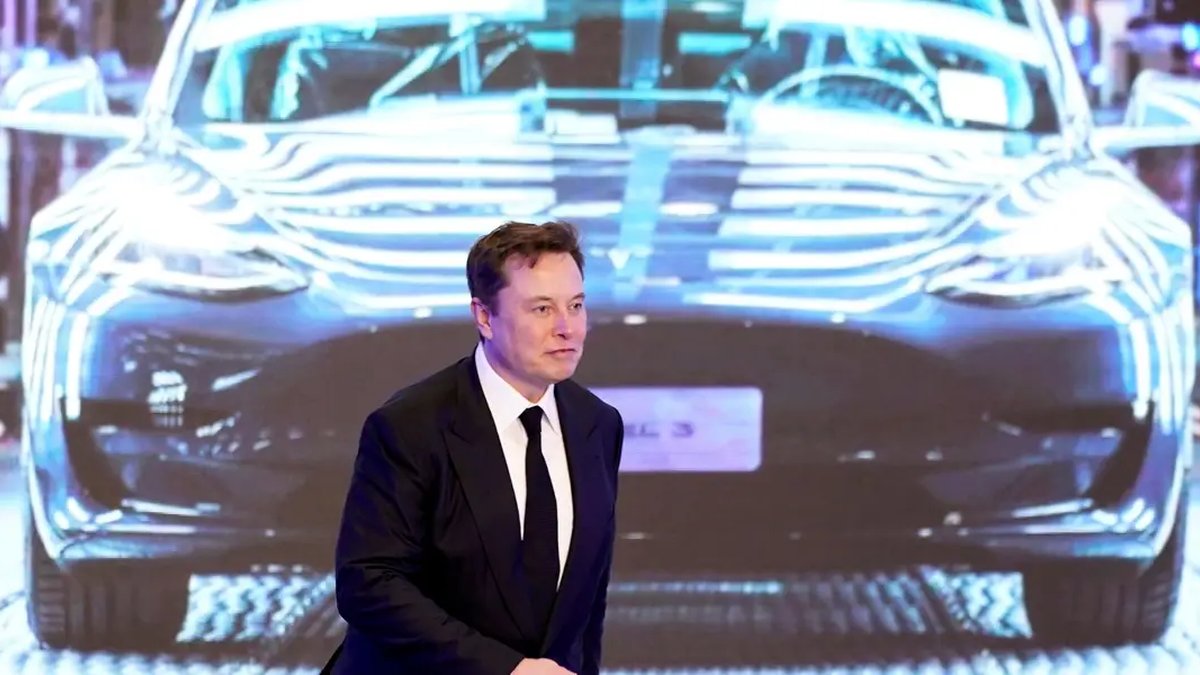
When gas prices surged earlier this year, the Barr household barely felt it. We stopped driving the gas-guzzling BMW and only used our Tesla Model 3, which is charged up from our rooftop solar panels and Powerwall battery.
It's cheap transportation, and it stayed that way through $5 gas, as other EV owners were keen to tell everyone.
In the second quarter, more American car buyers wanted a piece of this action, helping the US EV market find its footing after a brutal slump triggered by the end of federal incentives.
On Friday, Cox Automotive estimated that US EV sales totaled 247,226 vehicles during the second quarter, up from roughly 216,000 in the first quarter. That's the first sequential improvement since incentives disappeared last year.
Higher gas prices improve the economics of owning an EV, making these vehicles more attractive relative to conventional cars, pickups, and SUVs.
Sometimes, good things can come from bad situations. Higher oil prices are painful for consumers, but this also increases the competitiveness of cleaner transportation and energy sources. The fact that thousands of Americans chose EVs over gas-guzzlers is a win for the environment.
For some automakers, though, the timing has been awful. After federal incentives disappeared, several companies scrapped EV plans and pulled existing electric models from the market. That left them offering mostly gas-powered options just as those vehicles became a lot more expensive to run.
Ford's EV sales fell 41%, Chevrolet's fell 48%, Mercedes' fell 59%, and Nissan's plunged 88% in the period.
Those players who stuck with electric vehicles were rewarded. Toyota's EV sales jumped 225% to 11,826 vehicles, Subaru more than doubled deliveries to 7,023, Kia rose 46%, and Rivian increased sales 7.6%.
Tesla remained the dominant player in the US, selling 124,800 vehicles in the quarter for a 50.5% market share. The Model Y remained the country's top-selling EV with 84,863 deliveries in the second quarter, down just 1.5% year over year.
Globally, Tesla is doing even better. Total deliveries came in at 480,126 in the second quarter, up 25% year-over-year.
Sign up for BI's Tech Memo newsletter here. Reach out to me via email at abarr@businessinsider.com.
Facts Only
* Household used a Tesla Model 3 charged by rooftop solar and Powerwall battery when gas prices surged earlier in the year.
* US EV sales totaled 247,226 vehicles in the second quarter.
* First quarter US EV sales were approximately 216,000 vehicles.
* This represents a sequential improvement in EV sales since federal incentives disappeared last year.
* Ford's EV sales fell 41%.
* Chevrolet's EV sales fell 48%.
* Mercedes' EV sales fell 59%.
* Nissan's EV sales fell 88%.
* Toyota's EV sales jumped 225% to 11,826 vehicles.
* Subaru deliveries increased to 7,023 vehicles.
* Kia's EV sales rose 46%.
* Rivian increased sales by 7.6%.
* Tesla sold 124,800 vehicles in the second quarter, holding a 50.5% market share in the US.
* Globally, Tesla delivered 480,126 vehicles in the second quarter, up 25% year-over-year.
Executive Summary
Full Take
Sentinel — Human
The text reads like synthesized journalistic analysis that weaves personal context with market statistics, typical of a business news feature rather than pure automated generation.