On World TB Day, the World Health Organization (WHO) is urging countries to accelerate action to end tuberculosis (TB) and expand access to lifesaving services by using new innovations such as diagnostic tests that can be used near the point-of-care and tongue swabs that can help detect the disease faster reaching more people.
The new guidelines on tests for TB that can be used near the point-of-care, issued by WHO, mark another step towards faster detection and treatment of one of the world’s deadliest infectious diseases. These portable, simple-to-use tests bring TB diagnosis closer to where people routinely seek care. Available at less than half the cost of many existing molecular diagnostics, they can help countries expand access to testing. The tests can operate on battery power and deliver results in less than one hour, allowing patients to start treatment sooner.
"These new tools could be truly transformative for tuberculosis, by bringing fast, accurate diagnosis closer to people, saving lives, curbing transmission and reducing costs," said Dr Tedros Adhanom Ghebreyesus, WHO Director-General. "WHO calls on all countries to scale up access to these and other tools so every person with TB can be reached and treated promptly."
Beyond TB, these devices have the potential to test for other diseases like HIV, mpox, and HPV, making diagnostics more patient-centered, equitable, and aligned with one-stop-shop style services for emerging and circulating diseases.
New sample collection methods to expand TB testing
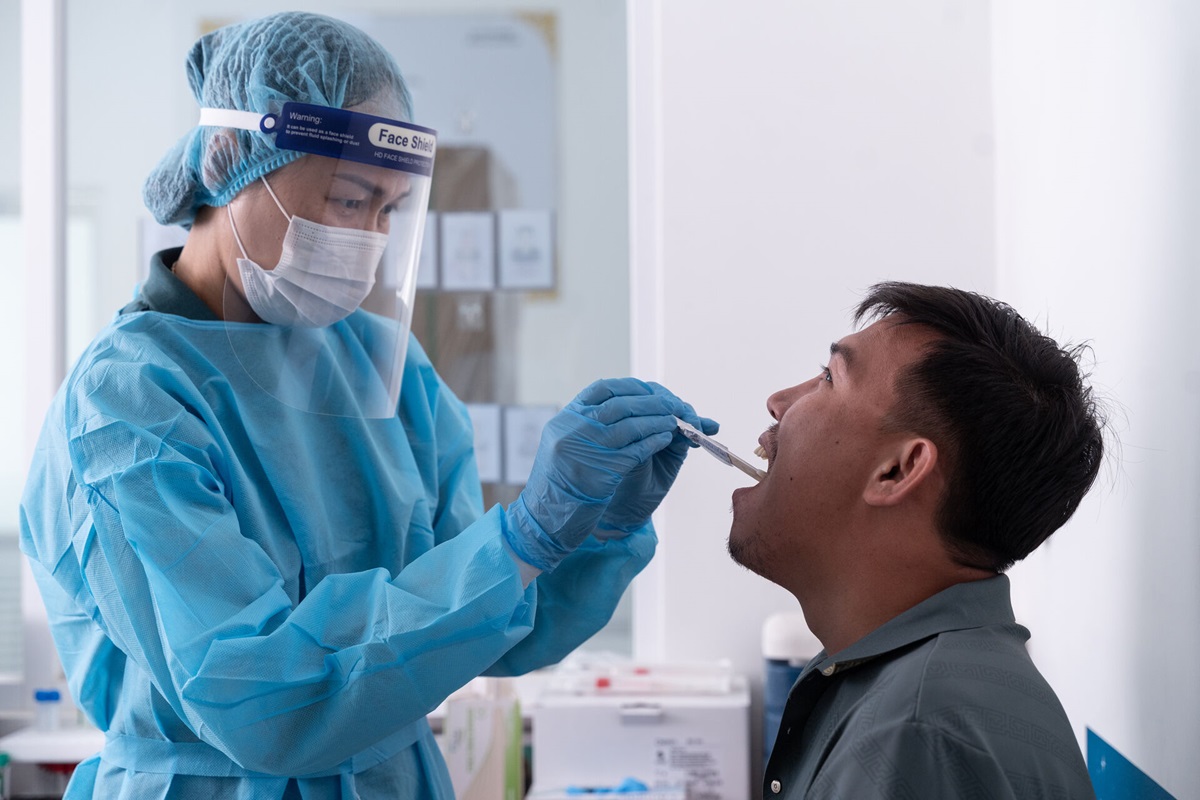
The guidelines also recommend easy-to-collect tongue swab samples, as well as a cost-saving sputum pooling strategy to increase testing efficiency for TB and rifampicin-resistant TB. Tongue swabs allow adults and adolescents who cannot produce sputum to receive TB testing for the first time, enabling disease detection among people who are at an increased risk of dying from TB. Sputum pooling, where samples from several individuals are combined and tested together, can significantly reduce commodity costs and machine time, leading to faster results for people and TB programmes – an approach specifically recommended when resources are exceptionally constrained.
Global progress at risk without faster diagnosis
TB remains one of the world’s deadliest infectious killers. Each day, over 3300 people die from TB and more than 29 000 people fall ill with this preventable and curable disease. Global efforts to combat TB have saved an estimated 83 million lives since 2000, however cuts in global health funding are threatening to reverse these gains. Uptake of rapid diagnostic tools has been a challenge in many countries due, in part, to high costs and reliance on sample transport to support testing at centralized laboratories.
Scaling up proven solutions, including point-of-care urine tests for people living with HIV, and near-point-of-care, low- or moderate-complexity tests for people with and without HIV, can collectively be used to close diagnostic gaps across all levels of the health system. Such efforts can help advance toward global targets for universal access to TB and drug resistance testing, reduce delays in treatment initiation and curb transmission.
World TB Day 2026: Countries and communities leading the way
On World TB Day 2026, under the theme “Yes! We can end TB: Led by countries, powered by people”, WHO is calling for urgent action to:
- accelerate the roll out of diagnostic technologies that can be used near the point-of-care and other innovations as part of a comprehensive testing network;
- strengthen people‑centred TB care with meaningful community leadership and continuous engagement;
- build resilient health systems to safeguard health security;
- tackle the social and economic drivers of TB through multisectoral action;
- protect essential TB services amid global crises and funding constraints.
“Investing in TB is a strategic political and economic choice, generating up to US$ 43 in health and economic returns for every dollar spent”, said Dr Tereza Kasaeva, Director of WHO’s Department for HIV, Tuberculosis, Hepatitis and Sexually Transmitted Infections. “What is required now is decisive leadership, strategic investment and rapid implementation of WHO recommendations and innovations to save lives and protect communities.”
Further innovation and research
While new diagnostic tools represent a critical step forward, ending TB will require sustained investment in research and innovation. Global funding for TB research remains far below the estimated annual need of around US$ 5 billion, leaving major gaps in the development of new diagnostics, medicines and vaccines needed to end the epidemic.
WHO is working with partners to accelerate progress through initiatives such as the TB Vaccine Accelerator Council, launched to fast-track the development and equitable access to new TB vaccines by aligning governments, researchers, funders and industry around shared priorities and coordinated investment.
As countries mark World TB Day 2026, WHO urges governments and partners to prioritize TB as a central pillar of health security and universal health coverage.
Facts Only
World Health Organization (WHO)
Tuberculosis (TB)
World TB Day 2026
Accelerate action against TB
Use new innovations for TB diagnosis and testing
Portable diagnostic tests near point-of-care
Tongue swabs for TB detection
Sputum pooling strategy
Cost savings in testing efficiency
Global health funding cuts
Uptake of rapid diagnostic tools a challenge due to high costs and reliance on sample transport
Executive Summary
On World Tuberculosis (TB) Day, the World Health Organization (WHO) has emphasized the need for accelerated action to combat TB and increase access to essential services by using innovative technologies such as portable diagnostic tests and tongue swabs. The new WHO guidelines encourage the use of near-point-of-care TB tests, which are cost-effective, easy-to-use, and offer quick results. Additionally, the recommendations include easy-to-collect tongue swab samples and a sputum pooling strategy to enhance testing efficiency. However, progress in tackling TB is at risk due to cuts in global health funding, making it difficult for many countries to adopt these new tools.
World TB Day 2026 will focus on accelerating the implementation of diagnostic technologies and strengthening community leadership in TB care, among other priorities. The WHO emphasizes that investing in TB is crucial for both health security and universal health coverage. Furthermore, while new diagnostic tools represent a significant step forward, sustained investment in research and innovation is required to end the TB epidemic.
Full Take
The WHO's push for innovative technologies like portable TB tests and tongue swabs aims to make diagnosis quicker, more accessible, and cost-effective. The organization encourages their widespread use as part of a comprehensive testing network to improve global efforts against TB.
ARC-0043 Motte-and-Bailey (emphasizing new tests while acknowledging challenges), ARC-0024 Ambiguity (implicitly highlighting the need for further investment in research and innovation).
The ongoing global TB epidemic necessitates a multi-faceted response, including innovative diagnostic tools, community engagement, strengthened health systems, and addressing underlying social and economic drivers.
Accelerating the implementation of near-point-of-care TB tests and other innovations could save lives, reduce transmission, and bring diagnostics more in line with patient-centered, equitable, one-stop-shop style services for emerging diseases. However, progress is threatened by funding constraints, and sustained investment in research and innovation will be essential to ultimately ending the TB epidemic.
How can countries prioritize investments in innovative TB diagnostics while addressing ongoing funding constraints?
What role should community leadership play in the successful implementation of these new technologies?
What challenges must be addressed to ensure that diagnostic tools are accessible and affordable for all affected populations?
If this narrative were part of a coordinated influence campaign, a bad actor might attempt to downplay the importance of innovative TB diagnostics or misrepresent their cost-effectiveness, accessibility, and potential impact on health security and universal health coverage. However, the actual content does not align with such an attack pattern.