As of Tuesday (March 24, 2026), oil prices were volatile, trading above US$100 per barrel for Brent crude, driven by growing concerns about potential supply disruptions through the Strait of Hormuz - a key route for global oil shipments.
This crisis has prompted many countries to take energy efficiency measures, diversify supply, and optimize the use of renewable energy.
President Prabowo Subianto considered the crisis a ‘blessing in disguise’, which - although difficult and challenging - forces Indonesia to move quickly to achieve food and energy self-sufficiency.
The crisis, in fact, creates an opportunity for Indonesia to advance the use of renewable energy sources derived from domestic potential.
The transition to renewable energy is a strategic step to reduce dependence on fossil fuels while supporting climate change mitigation.
Energy diversification allows for the optimal use of various energy sources, creating a more resilient energy system. Developing clean energy is a solution that can address these challenges and support sustainable development.
Indonesia has actually extensive renewable energy potential, including solar, wind, hydro, geothermal, and biomass.
In addition, organic waste from agriculture, plantations, and forestry can be utilized as a sustainable energy source if managed with appropriate technology.
Unfortunately, these potentials have not been utilized optimally, considering that Indonesia’s current renewable energy mix stands at approximately 15.75 percent.
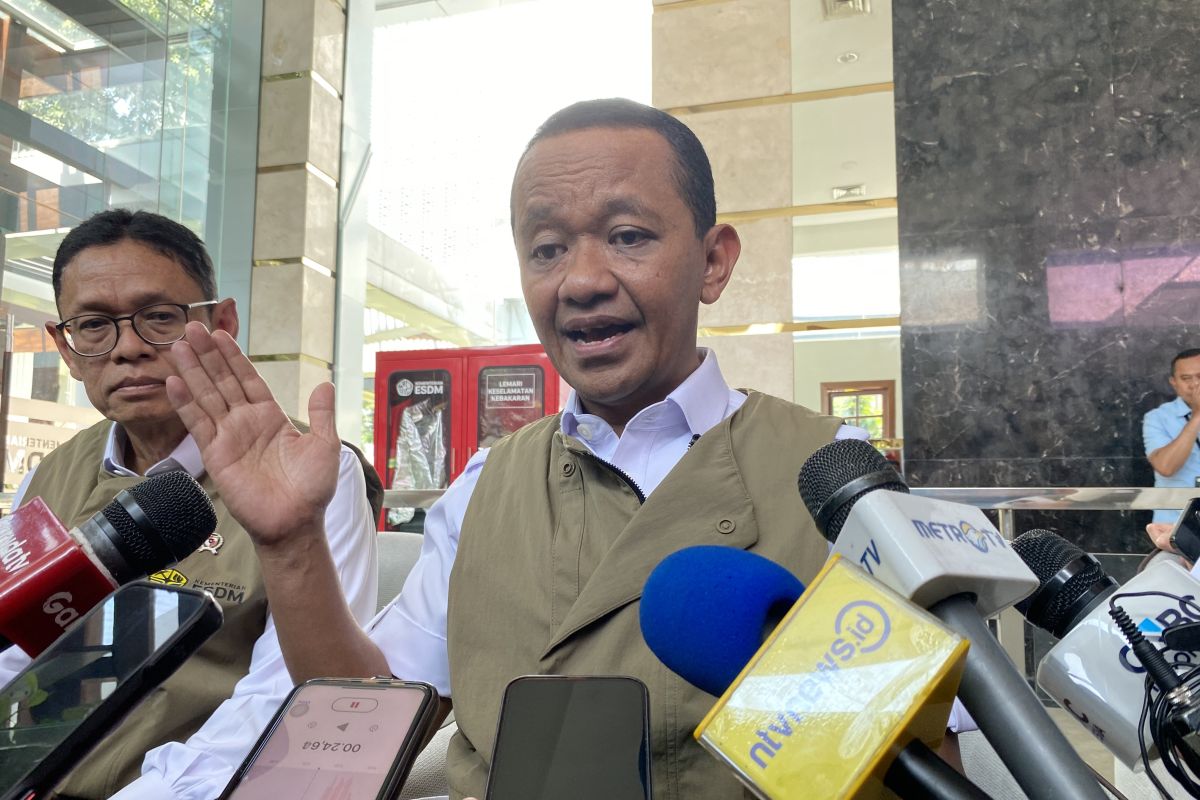
As the government set a target of increasing the renewable energy mix to reach 17 to 21 percent by 2026, President Prabowo has appointed Energy and Mineral Resources Minister (ESDM) Bahlil Lahadalia to lead the National Energy Transition Acceleration Task Force.
This move is intended to ensure that green energy policies are implemented with greater speed and precision.
The task force is focused on clean energy goals, including a 100-gigawatt (GW) solar power (PLTS) program, with a primary emphasis on accelerating solar installations in schools and villages.
While Indonesia sits upon a ‘treasure trove’ of solar potential estimated at 3,217 GW, actual utilization remains low.
Consequently, the task force is prioritizing investment in green infrastructure to bridge the gap between this vast potential and national demand.
The government is also accelerating large-scale solar projects in remote areas as part of its effort to ensure equitable access to clean energy.
Other priorities include the conversion to electric vehicles and the expansion of bioenergy, such as biodiesel and bioethanol, to reduce the drain on foreign exchange caused by fossil fuel imports.
Moreover, Indonesia’s geothermal sector, with a capacity exceeding 2.6 gigawatts, remains the ‘green emerald’ of the nation’s sustainable power grid.
Fuel-blending policies
The surge in oil prices has also prompted the Indonesian government to accelerate the implementation of the B50, a biodiesel blend made from 50 percent CPO and 50 percent fossil diesel.
As plans to move to B50 are still under further study, the country maintains its mandatory B40 biodiesel, which consists of a blend of 60 percent petroleum diesel and 40 percent palm oil-based biofuel.
These fuel-blending policies are considered significant as alternatives to maintain the national energy supply.
However, according to Coordinating Minister of Economic Affairs Airlangga Hartarto, the transition to B50 requires comprehensive assessment, particularly of the price gap between fuel oil, petroleum diesel, and palm oil in both domestic and international markets.
Aiming for full implementation of B50 this year, technical studies and automotive trials are continuing while the government closely monitors price fluctuations and the readiness of the domestic industry from upstream to downstream.
Hartarto said the government is consistently calculating the price differential between biodiesel, petroleum diesel, and palm oil to ensure the fuel-blending policy remains balanced, safeguards energy supply, and supports national economic stability.
He added that the B50 program will highly depend on stable CPO supply.
Executive director of the Palm Oil Agribusiness Strategic Policy Institute (PASPI), Tungkot Sipayung, assessed that Indonesia has sufficient experience to implement the B50 biodiesel mandate, referring to the well-established B40 biodiesel mandatory ecosystem.
He claimed that Indonesia is the country with the highest biodiesel blending rate in the world and the third-largest biodiesel producer after the EU and the US.
Indonesia, he continued, has implemented the mandatory biodiesel policy since 2009 with a blending rate of 1 percent palm oil biodiesel and 99 percent fossil diesel (B1).
In addition, the government continues to accelerate the development of the mandatory B40 biodiesel policy, which has delivered significant economic benefits, including reducing fuel imports and helping Indonesia save an estimated $9.3 billion (Rp147.5 trillion) in foreign exchange by 2025.
Tungkot ensured that the national biodiesel industry's capacity of approximately 22.5 million kiloliters is sufficient to support the implementation of B50 this year.
He added that the availability of CPO feedstock is also sufficient to meet the B50 implementation needs.
He detailed that the implementation of B50 requires approximately 20 million kiloliters of palm oil biodiesel (FAME), or a CPO supply of approximately 16-18 million tons. National CPO and CPKO production in 2025 will reach approximately 57 million tons.
However, he acknowledged that increasing the allocation of CPO for domestic biodiesel needs has the potential to reduce export volumes in the short term.
This is a policy consequence that the government needs to consider strategically, he noted.
In addition to the B50, the government also plans to mandate a 20 percent bioethanol blend in gasoline (E20) by 2028 to reduce gasoline imports.
To foster this plan, Indonesia’s ESDM Ministry plans to launch bioethanol production in 2027 in Merauke, South Papua. This biofuel, derived from plant-based sugars through fermentation, is part of Indonesia’s broader strategy to improve energy security while supporting global clean energy goals.
The bioethanol program stems from the government’s flagship food estate initiative, which aims to develop 500,000 hectares of sugarcane plantations. The project draws inspiration from Brazil’s success in turning sugarcane into renewable energy.
To enhance the competitiveness of bioethanol, the ESDM Ministry continues to push for streamlined licensing for excise exemptions on fuel-grade ethanol. Currently, one of the main barriers is the high excise duty of Rp20,000 (US$1.20) per liter, applied to both domestic and imported ethanol.
Accelerating excise exemptions is crucial to lowering the price of bioethanol and making it competitive with fossil fuels.
Among various measures to respond to rising global oil prices, the utilization of renewable energy is more than just a solution to anticipate the impact of potential global conflicts.
The transition to cleaner energy must become our way of life to love the earth and care for future generations.
Related news: Indonesia's fuel supply secure during Eid travel: BPH Migas
Related news: BPH Migas guarantees fuel supply for Eid return travel peak
Related news: Indonesia's Defense Ministry, military move to cut fuel consumption
Editor: Azis Kurmala
Copyright © ANTARA 2026
Facts Only
* Event: Volatility in global oil prices, Brent crude above US$100 per barrel
* Location: Global
* Actor: Oil markets
* Response: Indonesia considers crisis an opportunity to advance renewable energy and achieve food and energy self-sufficiency
* Policy: Setting a target of increasing the renewable energy mix to reach 17 to 21 percent by 2026, establishing National Energy Transition Acceleration Task Force with focus on clean energy goals
* Potential: Extensive renewable energy potential in Indonesia (solar, wind, hydro, geothermal, biomass)
* Current renewable energy mix stands at approximately 15.75 percent
* Clean energy goal: 100-gigawatt (GW) solar power program with emphasis on schools and villages
* Fuel-blending policy consideration: B50 biodiesel blend made from 50 percent CPO and 50 percent fossil diesel
Executive Summary
Full Take
The surge in oil prices has forced Indonesia to reconsider its energy strategy, with a focus on renewable energy sources and self-sufficiency. The government's response includes setting ambitious goals for increasing the use of renewable energy, particularly solar power, and establishing a task force to accelerate these efforts. However, it is worth questioning whether Indonesia has the infrastructure and resources to realize these goals, particularly in remote areas where solar installations are prioritized. Additionally, while the government is considering fuel-blending policies such as B50 biodiesel, plans are still under further study and the transition requires comprehensive assessment of price gaps between different fuels. The implementation of B50 depends on stable CPO supply, which may have potential consequences for export volumes in the short term. Overall, while the crisis presents an opportunity for Indonesia to advance its renewable energy capabilities, it also raises questions about the feasibility and sustainability of these efforts.
Patterns detected: ARC-0024 Ambiguity (transition to B50 requires comprehensive assessment), ARC-0039 Scarcity Tactics (stress on Indonesia's CPO supply for B50 implementation).
Sentinel — Human
The article appears to be written by a human journalist with a strong focus on renewable energy and energy self-sufficiency in Indonesia. The style exhibits varying sentence lengths and passionate emphasis, while the content discusses specific green policies and targets.