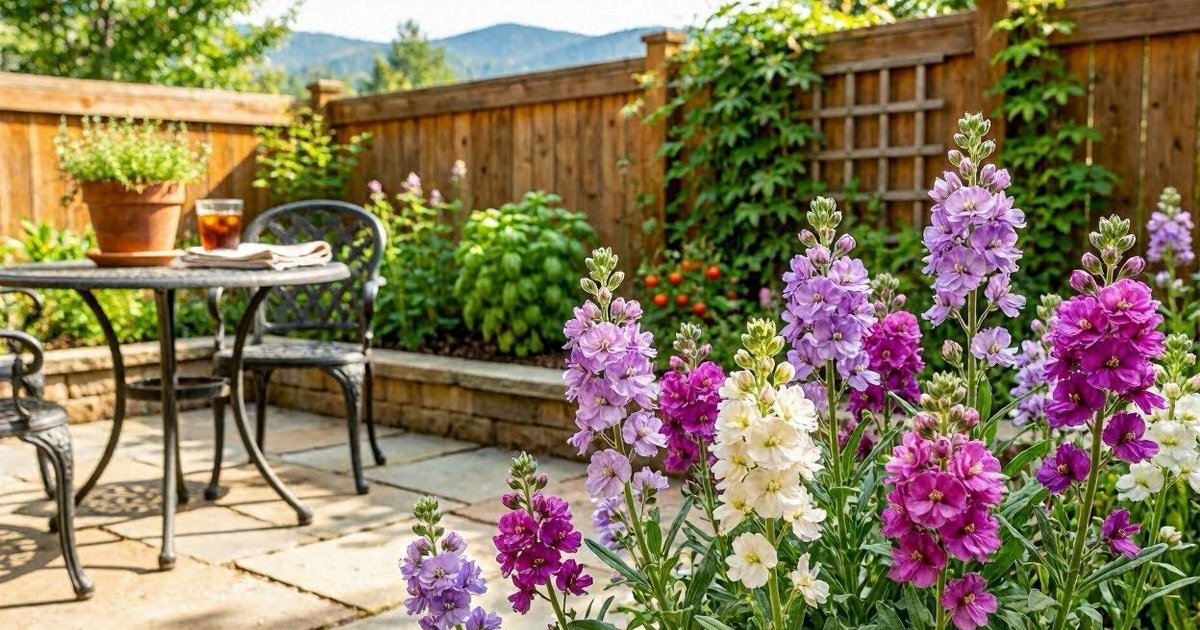
Stock is one of the most quietly luxurious spring annuals available to gardeners. Known for its dense spikes of ruffled, often heavily scented flowers, it brings an old-world charm to cool-season plantings in Fort Collins and across the Front Range. Where many annuals are still waking up in early spring, stock is already in full performance mode—filling the air with fragrance and the garden with soft, layered color.
It is a plant that rewards timing more than anything else. Get it into the ground early, and it becomes one of the most elegant seasonal highlights in the garden.
At [Plantorium.com](https://plantorium.com?utm_source=chatgpt.com stock is typically featured as part of early-season annual rotations, especially for containers and spring display beds where fragrance and structure are priorities.
Why Stock Performs Well in Northern Colorado
Stock (Matthiola incana) is a cool-season annual that thrives in the mild temperatures of spring. In Fort Collins and surrounding areas, it benefits from the long, cool shoulder season before summer heat arrives.
It performs well because:
- It prefers cool temperatures over heat
- It produces dense, upright flower spikes
- It offers strong fragrance in many varieties
- It blooms heavily in early to mid-season gardens
Flower colors range widely, including:
- Soft pink
- Lavender
- White
- Cream
- Mauve
- Deep rose
Some varieties are single-flowered, while others produce fuller, double blooms with a more ornamental appearance.
When to Plant Stock in Fort Collins
Stock is one of the earliest annuals gardeners can plant.
In Northern Colorado:
- Plant in early spring, often April through early May
- It tolerates light frost and cool nights
- It performs best before summer heat arrives
Once temperatures rise consistently in early summer, stock typically declines, making it a true seasonal specialty rather than a long-season performer.
Sunlight Requirements
Full sun to light shade is ideal, with a preference for cooler exposure.
In the Front Range:
- Provide at least 4–6 hours of sun daily
- Afternoon shade can extend bloom life
- Avoid intense reflected heat locations
Stock performs best in the mild light of spring rather than the intense sun of midsummer.
Soil and Growing Conditions
Stock prefers rich, well-draining soil with moderate fertility.
For best results:
- Amend soil with compost before planting
- Ensure good drainage to prevent root stress
- Use high-quality potting mix for containers
Because it is a cool-season bloomer, overly dry or depleted soil can shorten its display period.
Watering in a Front Range Climate
Stock prefers consistent moisture, especially during its active blooming period.
Recommended approach:
- Water regularly to maintain even soil moisture
- Avoid letting soil dry out completely
- Prevent waterlogging, which can stress roots
In Fort Collins’ variable spring weather, rainfall often supplements irrigation, but containers will require more frequent attention.
Fertilizing for Strong Blooms
Stock benefits from moderate feeding to support its dense flower spikes.
A balanced fertilizer every few weeks helps:
- Promote taller, fuller blooms
- Extend flowering period
- Support fragrance and flower density
Avoid excessive nitrogen, which can lead to leafy growth instead of flowers.
Garden Role and Design Use
Stock is primarily used for fragrance, structure, and early-season color.
It works especially well in:
- Spring container displays
- Entryway planters
- Cottage-style gardens
- Mixed cool-season beds
- Cut flower gardens
In Fort Collins landscapes, it is often paired with pansies, snapdragons, and dusty miller to create layered spring compositions.
Fragrance and Sensory Value
One of stock’s defining qualities is its scent. Many varieties produce a rich, spicy-floral fragrance that becomes more noticeable in the cooler parts of the day.
This makes it especially valuable in:
- Patio containers near seating areas
- Entryways and walkways
- Small enclosed garden spaces
It is one of the few annuals where fragrance is as important as visual appeal.
Handling Colorado Weather
Stock is well adapted to cool spring conditions but has a narrow seasonal window.
It tolerates:
- Light frost
- Cool nights
- Spring temperature swings
It is sensitive to:
- Summer heat
- Extended drought
- High wind stress during peak bloom
Once heat arrives in the Front Range, plants typically decline, even with excellent care.
Companion Planting
Stock pairs beautifully with other cool-season annuals.
Excellent companions include:
- Pansies
- Snapdragons
- Calendula
- Sweet alyssum
- Dusty Miller
- Early-season petunias
Its upright form and soft color palette make it ideal for layered spring compositions.
A Fragrant Celebration of Spring
Stock is not a plant for the entire season—it is a plant for a moment in time. That moment arrives early in spring, when the garden is still transitioning out of winter and color feels especially meaningful.
In Fort Collins and across the Front Range, it serves as a reminder that some of the most memorable garden experiences are seasonal, brief, and intensely beautiful.
For gardeners who value fragrance, structure, and early-season color, stock remains one of the most rewarding cool-season annuals available.
Explore seasonal availability and additional annuals at [Plantorium.com’s full plant catalog](https://plantorium.com/all-plants/?utm_source=chatgpt.com
Facts Only
Stock (*Matthiola incana*) is a cool-season annual with dense, fragrant flower spikes.
It thrives in mild spring temperatures and is planted in Fort Collins and the Front Range from April to early May.
Flower colors include soft pink, lavender, white, cream, mauve, and deep rose.
Some varieties produce single flowers, while others have double blooms.
Stock tolerates light frost and cool nights but declines in summer heat.
It requires 4–6 hours of sun daily, with afternoon shade extending bloom life.
Soil should be rich, well-draining, and moderately fertile, amended with compost.
Consistent moisture is needed, avoiding both drought and waterlogging.
Moderate fertilization supports taller, fuller blooms and extends flowering.
Stock is used in spring containers, entryway planters, and mixed cool-season beds.
Its fragrance is strongest in cooler parts of the day.
Companion plants include pansies, snapdragons, and dusty miller.
Executive Summary
Full Take
This article presents stock as a quintessential cool-season annual, emphasizing its sensory and aesthetic value in early spring gardens. The narrative is straightforward, focusing on practical growing advice and design applications. However, it’s worth noting the implicit framing of stock as a "luxurious" and "elegant" plant, which may subtly elevate its perceived value beyond its functional role. The piece assumes a gardener’s perspective, prioritizing seasonal beauty and fragrance, but doesn’t address potential challenges like pest susceptibility or regional variability in performance.
The pattern here is one of **ARC-0012 Aesthetic Idealization**—presenting stock as an almost flawless seasonal highlight without deeper critique of its limitations (e.g., short bloom period, heat sensitivity). While the advice is practical, the tone leans toward romanticizing ephemeral beauty, which could influence readers to overlook more resilient alternatives.
Root cause: The narrative aligns with a broader cultural appreciation for seasonal, sensory-rich gardening, but it risks reinforcing the idea that beauty is fleeting and requires constant renewal. This echoes historical garden traditions where certain plants were prized for their transient allure, often at the expense of sustainability.
Implications: For gardeners, stock offers a rewarding but short-lived experience. The focus on fragrance and structure may encourage more intentional, sensory-driven garden design. However, the emphasis on seasonal specialties could also perpetuate a cycle of plant replacement rather than long-term resilience.
Bridge questions: How might gardeners balance the desire for seasonal beauty with the need for sustainable, low-maintenance landscapes? What other cool-season plants could provide similar benefits with longer durability? Would a cost-benefit analysis of stock’s fleeting nature change its appeal?
Counterstrike scan: If this were part of a coordinated campaign, it might promote stock as a "must-have" plant to drive sales at nurseries. However, the content remains practical and informative, without overt commercial pressure. No concerning alignment detected.
Patterns detected: ARC-0012 Aesthetic Idealization
Sentinel — Likely Synthetic
This content is a high-quality, synthesized instructional guide typical of LLM output, presenting accurate horticultural facts in a methodologically smooth, template-driven manner.