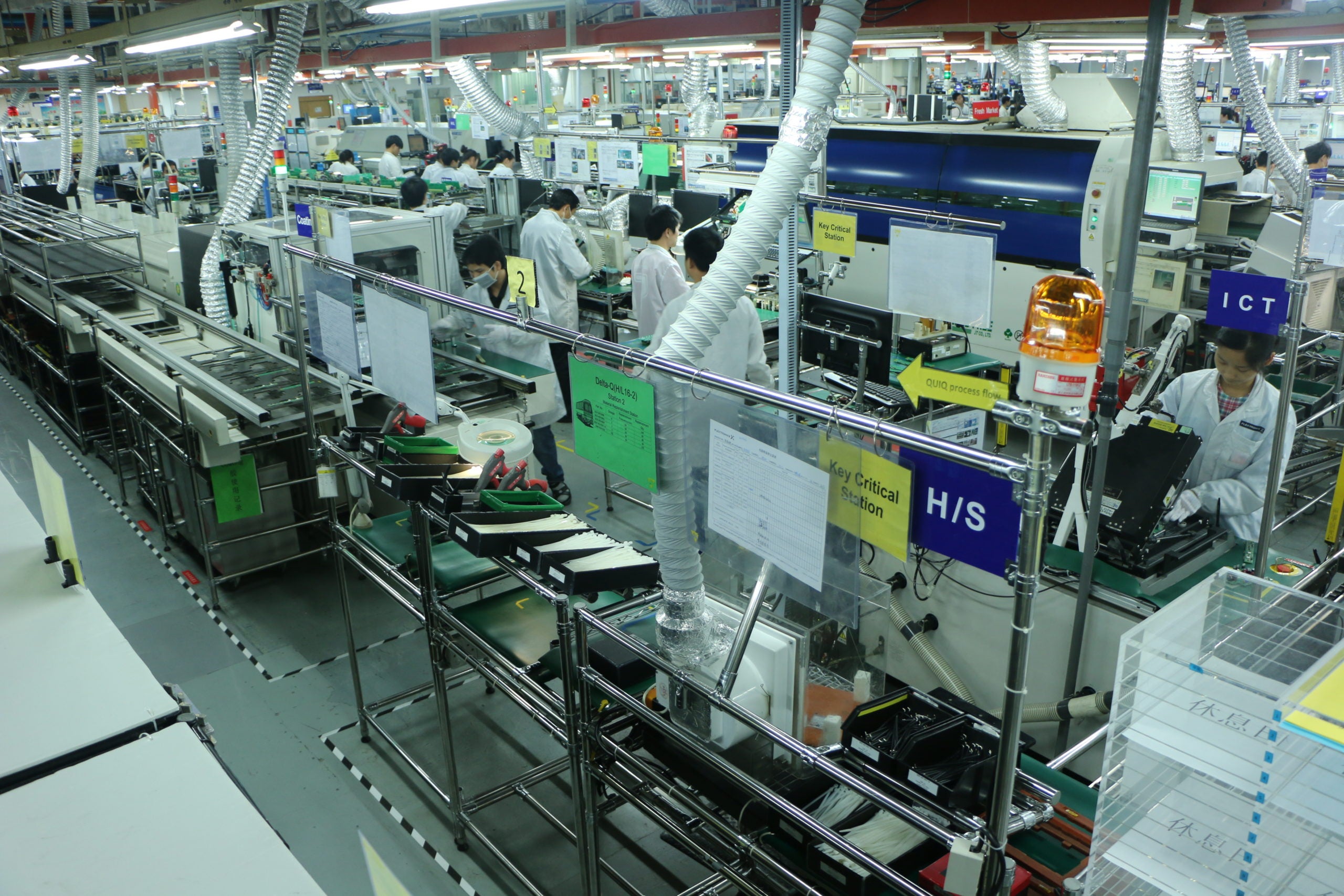
Electrification has become key for the global move toward cleaner energy, even as government policies continue to impact the use of renewable resources and in some cases embrace continued and even increased support for fossil fuels.
Governments and industries wanting to reduce their emissions of greenhouse gases look to electrification not only as an environmental tool, but also as a way to make their operations more energy efficient. Energy industry analysts have acknowledged that technologies such as heat pumps, and of course electric vehicles, use less energy than similar technologies relying on fuels such as gas and coal.
Electrification proponents also argue that decentralized energy, such as rooftop solar arrays and energy storage technology, supports energy security by reducing reliance on the volatile markets for fossil fuels. The shift toward more distributed energy resources also supports reliability and resiliency, lessening the reliance on the centralized power grid.
Mourad Chergui is a senior product manager at Delta-Q Technologies, a ZAPI GROUP company. Chergui joined Delta-Q in 2016 and has more than 25 years of experience in product management across engineering, marketing and business administration in various industries. Throughout his time with Delta-Q, Chergui has led new product strategies across power conversion, battery charging, vehicle electrification, and regulatory standards.
Delta-Q, based in Burnaby, British Columbia, in Canada, provides services for several industries, and is considered a key driver of electrification with its products for transportation, power electronics, and more. Chergui recently provided POWER with insight into the company’s work and how it impacts the transition to electrification.
POWER: How important is electrification to reaching decarbonization goals, whether for a municipality, commercial and industrial enterprise, utility, or other enterprise?
Chergui: Electrification is a leading strategy for decarbonization and achieving net-zero emissions, especially in municipal, commercial, and industrial contexts. However, it should not be seen as the only strategy, and in some cases, it may not be the right solution. It is important to consider the source of electric energy and upstream emissions, which are often carbon-intensive in the manufacturing, production, and transportation of electric equipment and batteries. For example, only about 40% of the total grid electricity generated in North America is considered clean energy from hydro, wind, solar, or nuclear sources. Alternative technologies include hybridizing equipment, the use of biofuels, biogas, or hydrogen in combustion systems, and geothermal energy.
Electrification unlocks the potential for:
- Massive energy efficiencies.
- Energy regeneration, which is the recuperation of energy in motive applications during deceleration or braking.
- Energy waste elimination during system and vehicle idling.
- Simplification and cost reductions associated with maintenance and repairs.
Properly assessing and executing electrification is critical for achieving climate decarbonization targets, strengthening local economies, and improving the quality of life.
POWER: How should entities look to accomplish their electrification goals? What technologies (for heating, cooling, etc.) should be embraced?
Chergui: Entities should survey the sources of emissions in their operations and surroundings, rank them by contribution, and prioritize reductions, starting with the highest emitter and progressing to the next.
In most municipal settings, the biggest sources of emissions are buildings, people and goods transportation, and municipal operations and waste management.
Heating, cooling, and cooking are often the largest sources of carbon emissions in buildings. This may be addressed by legislating building code changes that incentivize new construction. These amendments can help transition existing buildings away from natural gas or diesel combustion to heat pumps and electrical appliances.
For people and goods transportation, some proven ways to reduce emissions include incentives to buy new electric vehicles (EVs), deploying public charging station networks, and electrifying public transportation.
Municipalities can also decarbonize their municipal operations and waste management by replacing diesel-powered equipment and fleets with biofuel/biodiesel or electric alternatives, including garbage trucks and ground and maintenance vehicles such as lawn mowers, tractors, and utility vehicles.
POWER: What should drive electrification? Should it be government policies, economic benefits, environmental benefits, or something else?
Chergui: To drive electrification, governments should intervene by funding research and innovation, offering subsidies, enacting legislation, or providing other incentives to move electric vehicles and systems from early adoption to mass production. This is because their initial capital costs are typically much higher than alternatives, preventing widespread adoption.
Government support is often needed until electric systems become mature and widely produced. Although the total cost of ownership of electric systems (including acquisition, operation, service, and maintenance over the long term) is lower than that of alternative technologies, this alone is not enough to convince users to switch.
POWER: In the current political climate, at least in the U.S., should we rely on government policies to push electrification—or should adoption be driven by market forces?
Chergui: Many equipment manufacturers continue to develop and commercialize electric variants of systems and vehicles without government policies. Instead, these manufacturers are promoting the benefits of electrification. These benefits include reducing the total cost of ownership, improving performance, enabling operations that are not possible with fossil-fuel systems, and unlocking machine and system automation and autonomy.
Apart from the operational benefits, electrification improves workplace conditions for operators and users by reducing vibrations, eliminating fumes, and reducing noise pollution, especially in urban environments. Because electric machines are quiet, many businesses, such as construction sites, can operate 24 hours a day in areas where noise bylaws previously limited work to daytime.
POWER: How can electrification technologies help utilities manage electricity, and support grid flexibility?
Chergui: As demand for electrical power increases, electrification technologies are ushering in a new era of smart grids that help utility companies better manage electricity supply. Idle battery equipment can store energy and release it when demand rises, enabling better energy management without building additional electricity generation. Electrification also allows the use of locally produced renewable energy from solar, wind, or biofuels to relieve strain on the electrical grid, especially during peak demand.
—Darrell Proctor is a senior editor for POWER.
Facts Only
Electrification is a leading strategy for decarbonization in municipal, commercial, and industrial contexts.
About 40% of North America's grid electricity is generated from clean sources like hydro, wind, solar, or nuclear.
Technologies such as heat pumps and electric vehicles use less energy than fossil fuel-based alternatives.
Decentralized energy sources like rooftop solar and energy storage improve energy security and grid resilience.
Mourad Chergui is a senior product manager at Delta-Q Technologies, a company based in Burnaby, British Columbia, specializing in electrification products.
Delta-Q provides services for transportation, power electronics, and other industries.
Electrification can lead to energy efficiencies, regeneration, waste elimination, and reduced maintenance costs.
Alternative decarbonization technologies include biofuels, biogas, hydrogen, and geothermal energy.
Major emission sources in municipalities include buildings, transportation, and municipal operations.
Government policies, subsidies, and incentives are often needed to drive widespread electrification adoption.
Electric systems have lower total ownership costs over time but higher initial capital costs.
Electrification improves workplace conditions by reducing vibrations, fumes, and noise pollution.
Smart grids and energy storage technologies help utilities manage electricity supply and grid flexibility.
Executive Summary
Electrification is increasingly recognized as a key strategy for decarbonization, though its effectiveness depends on the source of electricity and upstream emissions. While about 40% of North America's grid electricity comes from clean sources like hydro, wind, and solar, the remaining 60% still relies on carbon-intensive methods. Electrification offers benefits such as energy efficiency, regeneration, and reduced maintenance costs, but it is not a one-size-fits-all solution. Alternative technologies like biofuels, hydrogen, and geothermal energy also play a role in reducing emissions.
Entities pursuing electrification should prioritize emission sources, starting with the largest contributors such as buildings, transportation, and municipal operations. Strategies include transitioning to heat pumps for heating and cooling, incentivizing electric vehicle adoption, and electrifying public transportation and municipal fleets. Government intervention—through funding, subsidies, and legislation—is often necessary to overcome the higher initial costs of electric systems, even though their long-term operational costs are lower. Market forces also drive electrification, with manufacturers highlighting benefits like improved performance, automation, and better workplace conditions. Additionally, electrification supports grid flexibility by enabling energy storage and the use of locally produced renewable energy, reducing strain during peak demand.
Full Take
The strongest version of this narrative acknowledges electrification as a critical but not exclusive path to decarbonization. It rightly highlights the efficiency gains and long-term cost benefits of electric systems while conceding that upstream emissions and grid dependency remain challenges. The argument is strengthened by its recognition of complementary technologies like biofuels and hydrogen, avoiding an all-or-nothing stance. However, the narrative leans heavily on government intervention as a necessity, which may reflect a broader assumption that market forces alone are insufficient to drive systemic change. This could echo historical patterns where industries resist disruption without regulatory pressure, but it also risks underestimating the role of innovation and consumer demand in accelerating adoption.
Patterns detected: none
The root cause of this narrative is a paradigm shift toward sustainable energy, driven by climate urgency and technological advancement. The unstated assumption is that electrification must be prioritized but balanced with other solutions—a pragmatic approach that avoids ideological rigidity. The implications for human agency are significant: while electrification can improve quality of life and economic resilience, its benefits depend on equitable access to technology and infrastructure. Second-order consequences include potential job displacement in fossil fuel industries and the need for workforce retraining.
Bridge questions:
How might decentralized energy systems reshape power dynamics between utilities, governments, and consumers?
What role should local communities play in determining their electrification strategies, and how can their voices be amplified?
If electrification is not the sole solution, what criteria should guide the integration of alternative technologies like hydrogen or geothermal?
Counterstrike scan: A coordinated influence campaign pushing this narrative might emphasize the inevitability of electrification while downplaying its limitations, using authority figures like industry experts to lend credibility. It could also frame opposition as resistant to progress, creating a false binary between "forward-thinking" electrification and "outdated" fossil fuels. However, the actual content does not match this pattern. It presents a nuanced view, acknowledging trade-offs and alternative solutions, which suggests a genuine effort to inform rather than manipulate.
Sentinel — Human
The article shows strong signs of human authorship, with natural variability, specific attributions, and contextual depth typical of expert interviews.