MANILA, Philippines — The Department of Education on Friday, July 10, postponed the National Safe Schools Summit and Safety Drill, the event that would launch the country's first active school shooter drills, after the Manila city government suspended classes due to heavy rains.
The summit was scheduled for 9 a.m. at Manila Science High School. In an advisory, DepEd said the postponement comes after Manila suspended in-person classes.
DepEd Secretary Sonny Angara said Wednesday, July 8, the drills meant to teach students and teachers how to respond to an armed attack on campus would launch today and serve as an automatic protocol during shootings.
Manila Mayor Isko Moreno suspended in-person classes from preschool to senior high school after the city's disaster risk unit reported moderate to heavy rainfall expected to persist through the day.
State weather bureau PAGASA said Typhoon Inday had weakened but significantly enhanced the southwest monsoon. This prompted class suspensions across Metro Manila, including Caloocan, Valenzuela, Mandaluyong, Las Piñas and Malabon on Friday.
Response to the Tacloban shooting
DepEd announced its planned drills after the June 22 shooting at San Jose National High School in Tacloban City, which killed three students and wounded 20 others.
The two teenage gunmen were Grade 9 students of the same school.
Angara has acknowledged there is a learning curve for the department to respond to this kind of student violence, and admitted earlier DepEd had no protocols for an active shooting inside a campus, as he never considered them applicable in the Philippines.
DepEd Assistant Secretary Roger Masapol earlier told a House basic education committee hearing that schools had established protocols for fires and earthquakes, but teachers during the Tacloban attack had no clear guidance on how to protect their students.
The shooting followed other incidents involving minors in June: stabbings involving students in Cavite and Negros Occidental, and a potential school shooting in Tolosa, Leyte, that the Department of the Interior and Local Government said it thwarted after a tip.
Angara has also cited a rising number of bomb threats against schools.
Wider safety campaign
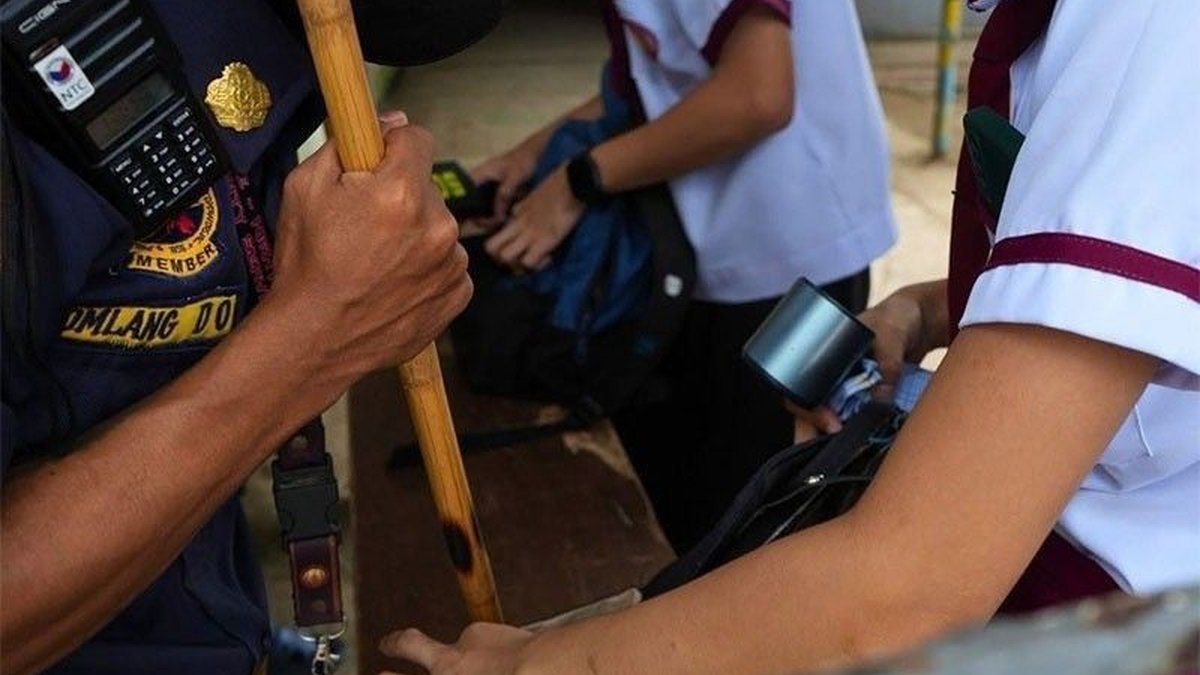
The drills form part of the School Safety Campaign DepEd launched on June 26, under which all public schools will receive handheld metal detectors alongside stricter visitor management, regular bag inspections, CCTV installation and deployment of security personnel.
DepEd has also begun a nationwide audit of school security and plans an anonymous reporting mechanism for student.
The Alliance of Concerned Teachers said DepEd should give equal or greater attention to preventing violence before it happens given staff shortages and limited mental health support for students.
"Preparedness is necessary, but it is no substitute for prevention," the group said.
The postponement adds to disruptions in the opening weeks of school year 2026-2027, which began June 8 under the country's first trimester calendar.
DepEd adopted the three-term structure after finding that recurring class disruptions took away instructional time and contributed to learning gaps.
- Latest
- Trending
Facts Only
* The Department of Education postponed the National Safe Schools Summit and Safety Drill on Friday, July 10.
* The postponement was due to class suspensions in Manila caused by heavy rains.
* The drills were scheduled to launch the country's first active school shooter drills.
* DepEd Secretary Sonny Angara stated that the drills would teach response protocols for an armed attack on campus.
* A shooting occurred at San Jose National High School in Tacloban City on June 22, involving three students killed and twenty wounded.
* Angara admitted DepEd previously had no protocols for an active shooting inside a campus in the Philippines.
* The postponement follows class suspensions across Metro Manila due to Typhoon Inday's effects.
* The School Safety Campaign includes handheld metal detectors, visitor management, bag inspections, CCTV installation, and security personnel deployment.
* The Alliance of Concerned Teachers called for greater focus on violence prevention before it occurs.
Executive Summary
Full Take
Sentinel — Human
This text functions as standard news reporting, factually linking a postponement to weather events while providing context on past incidents and ongoing safety measures, demonstrating typical journalistic synthesis.