Skip to content
Chimera readability score 54 out of 100, Graduate reading level.

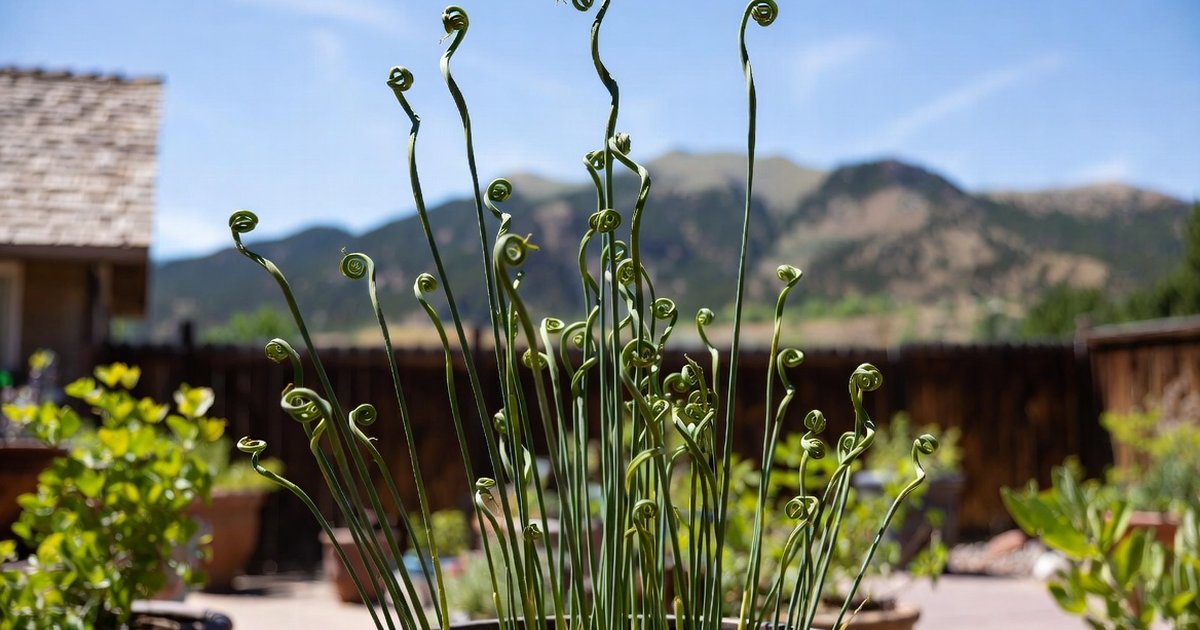
These plants feature upright, cylindrical stems and are prized for their architectural form, especially the quirky twisted stems of corkscrew types. They are wetland natives but adaptable for rain gardens, containers, pond edges, and moist borders.

Growing Conditions in Fort Collins

Fort Collins’ semi-arid climate, cold winters, and short growing season suit these hardy plants well, especially with consistent moisture.

  • Hardiness: Most Juncus effusus and cultivars are hardy in Zones 2–9 (or 4–9). They are reliably perennial in Zone 5b and can handle Colorado’s cold winters, often dying back and regrowing in spring.
  • Planting time: Spring after last frost (mid-to-late May) or early fall. They establish quickly in moist conditions.
  • Sun: Full sun to partial shade. Full sun promotes the strongest, most upright growth and best color.
  • Soil: Moist to wet, rich or average. They tolerate clay, loam, or sandy soils as long as moisture is consistent. Excellent for rain gardens or areas with poor drainage.
  • Water: High moisture needs — keep soil consistently moist or even with a few inches of standing water. In Colorado’s dry air, they may need frequent watering or a saucer under containers. They tolerate short dry spells once established but perform best wet.

Care Tips

  • Growth habit: Clump-forming (some spread via rhizomes). Heights typically 1–3 feet. ‘Spiralis’ and ‘Big Twister’ have eye-catching corkscrew stems.
  • Maintenance: Cut back dead stems in late winter/early spring. Divide clumps every few years if they outgrow their space.
  • Fertilizer: Minimal needs; a balanced slow-release fertilizer in spring is sufficient.
  • Pests/Diseases: Very tough and deer-resistant. Few issues in Colorado.
  • Native options: Local species like Juncus confusus (Colorado Rush) or Juncus ensifolius (Rocky Mountain Rush) are great eco-friendly choices for Fort Collins landscapes.

Juncus adds strong vertical interest and texture, especially near water features or in mixed containers with other moisture-lovers. They pair beautifully with sweet potato vine for contrast in “spiller + thriller” designs.

If you have a specific variety (e.g., Corkscrew Rush) or photo details, or need advice on companions, containers, or problems, let me know for more tailored tips!

Facts Only

*Juncus effusus* and its cultivars feature upright, cylindrical stems, with some types having twisted stems.
These plants are wetland natives adaptable for rain gardens, containers, pond edges, and moist borders.
In Fort Collins, the semi-arid climate and cold winters suit these plants with consistent moisture.
Hardiness for most *Juncus effusus* and cultivars is Zones 2–9 (or 4–9).
They are reliably perennial in Zone 5b and can handle Colorado’s cold winters.
Planting time is spring after the last frost (mid-to-late May) or early fall.
Full sun promotes the strongest, most upright growth and best color.
Soil needs to be moist to wet; they tolerate clay, loam, or sandy soils if moisture is consistent.
High moisture needs require soil to be kept consistently moist or with standing water.
Maintenance requires cutting back dead stems in late winter/early spring and dividing clumps periodically.

Executive Summary

These plants feature upright, cylindrical stems, some types displaying quirky twisted stems. They are wetland natives but are adaptable for various moisture-rich environments such as rain gardens, containers, pond edges, and moist borders. In Fort Collins, the semi-arid climate and cold winters necessitate consistent moisture for these plants to thrive. Most varieties are hardy in Zones 2–9, reliably perennial in Zone 5b, and can survive Colorado’s cold winters by dying back and regrowing. Planting should occur in the spring after the last frost or early fall to ensure quick establishment in moist conditions. Full sun promotes the strongest, most upright growth, while soil needs to be moist to wet; they tolerate various soil types as long as moisture is consistent. High moisture needs require keeping the soil consistently moist or even with standing water, as they perform best when wet, despite Colorado’s dry air. Maintenance involves cutting back dead stems in late winter, minimal fertilization, and regular division if they outgrow their space. Native options include *Juncus confusus* and *Juncus ensifolius*.

Full Take

This information establishes a clear, highly specific set of environmental requirements for these wetland-adapted plants within a challenging semi-arid climate. The emphasis on high moisture needs—requiring consistent wet soil even in dry air—sets a strong, non-negotiable expectation for water management in the Colorado landscape, positioning these plants as demanding entities that thrive in saturated conditions rather than adapting to drought. The guidance for Fort Collins specifically links these plants to beneficial landscape strategies like rain gardens and areas with poor drainage, suggesting a pattern where the plants are framed as solutions for environmental challenges (poor drainage/water runoff). This narrative subtly encourages readers to prioritize water availability as the primary determinant of success, which can shift the mindset from simply tolerating the climate to actively manipulating the environment to meet the plant's needs. The inclusion of native options like *Juncus confusus* serves an authoritative function, leveraging local ecological knowledge to promote a sense of place and reduce reliance on external inputs, thereby framing the choice of native species as a responsible, resilient aesthetic. Patterns detected: ARC-0011 Authority Games, ARC-0043 Motte-and-Bailey, ARC-0062 Semantic Manipulation.

Sentinel — Human

Confidence

The text exhibits high coherence and clear coordination typical of human-written instructional content, though it is highly structured and optimized for readability.

Signals Detected
low severity: Moderate sentence length variance; functional but not erratic rhythm. Standard expository structure.
low severity: High internal coherence and logical flow; all sections build smoothly. Absence of typical LLM hedging or overly sterile balance.
low severity: Follows a tightly organized informational template (description -> climate -> care); clear segmentation of facts and advice.
low severity: Specific details (e.g., Zone numbers, planting times) are plausible and consistent. The closing paragraph introduces a personalized, conversational element.
Human Indicators
The inclusion of conversational, personalized phrasing in the closing statement ('If you have a specific variety... let me know for more tailored tips!') suggests human engagement or a tailored writing style.
The subtle shift in tone between the highly objective data presentation and the final offer for personalized advice indicates a human-mediated interaction style.
Juncus (Rushes), particularly popular ornamental varieties like Juncus effusus (Soft Rush / Common Rush) and its cultivars such as ‘Spiralis’ (Corkscrew Rush), are excellent grass-like plants — Arc Codex