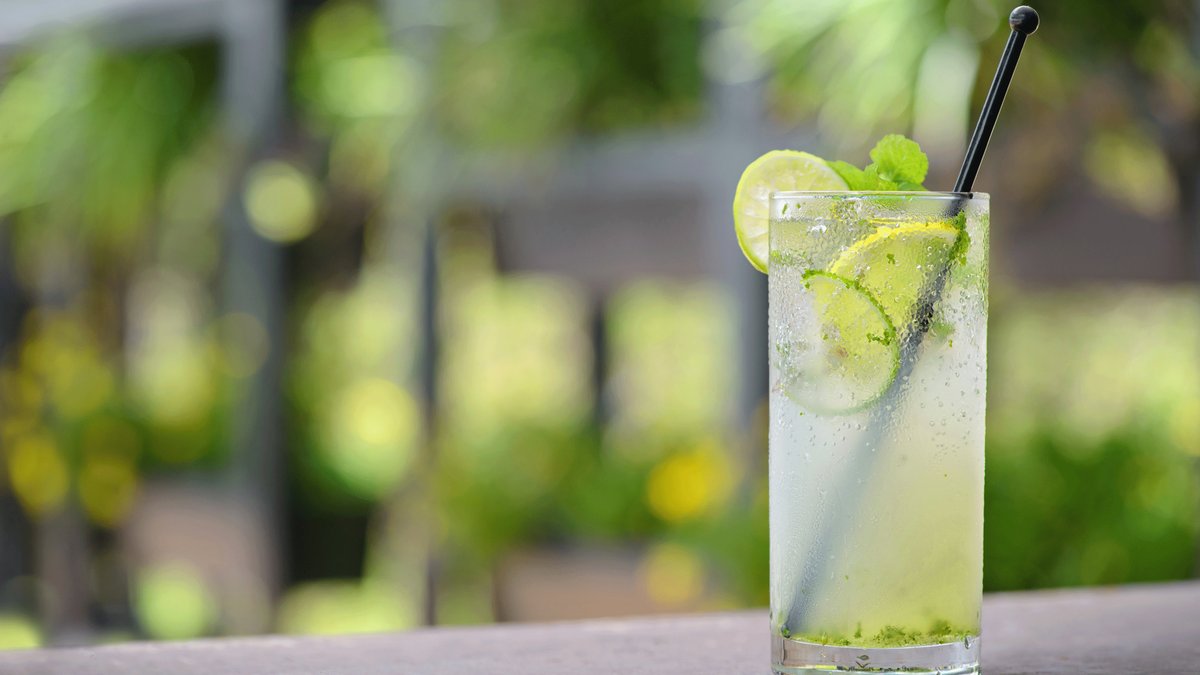
Whether you’re celebrating World Mojito Day on 11 July or simply want to enjoy a refreshing cocktail in the heatwave this weekend, we've got you covered. Julie Sheppard tells you how to make a Mojito cocktail, with tips on the best rum to choose.
The sun is shining and temperatures are rising so I’m guessing you’re in need of a cool drink… World Rum Day is celebrated on the second Saturday in July, which this year happens to coincide with World Mojito Day as well. So what better excuse to mix up this classic Cuban rum cocktail?
A bit of history…
It’s unclear who invented the Mojito, though Cuban folklore links it to the English explorer Sir Francis Drake. His crew drank a medicinal mix of mint, sugar, lime and aguardiente de caña (a sugar cane spirit) called El Draque in Elizabethan times. The same mix was used to treat cholera in mid-19th century Cuba.
Either way, a mint, lime and sugar cocktail – now made with rum – became a hit with Americans in Prohibition-era Havana, with the first recipe for a ‘Mojo Criollo’ appearing in a Cuban publication El Arte de Hacer un Cocktail y Algo Más in 1927.
The name Mojito first appeared in print in a 1932 cocktail book, Sloppy Joe’s Bar Cocktail Manual. The cocktail then found modern popularity in the 1980s thanks to Cuban immigrants in Miami.
Why is it a classic?
‘The Mojito’s roots run remarkably deep,’ says Tommy Cole, brand ambassador for Ron Santiagio de Cuba. ‘That lineage makes it one of the oldest surviving rum cocktails in the world and a genuine cornerstone of cocktail history,’ he adds.
‘In my view, the Mojito has endured for centuries because it is one of the purest expressions of Cuban cocktail culture. It is a drink built on simplicity, but simplicity is often the hardest thing to perfect,’ notes Cole.
‘With only five core ingredients – cane sugar, fresh lime juice, mint, soda water and Cuban rum – there is nowhere to hide. Every component must be in balance, and the quality of the rum becomes immediately apparent.’
Get our daily fine wine reviews, latest wine ratings, news and travel guides delivered straight to your inbox.
How to make a Mojito
Glass: Highball
Garnish: Mint sprigs
Method: Two-thirds fill a glass with crushed ice. Add the mint leaves, rum, lime juice and sugar syrup, then churn with a barspoon to mix thoroughly. Top up the glass with more crushed ice, top with soda water and stir lightly before serving.
60ml white rum
15ml fresh lime juice
15ml soda water
10ml sugar syrup
14 fresh mint leaves
Which rum to choose?
If you want to mix up a Mojito yourself at home, a light rum from Cuba is a classic choice. ‘What makes the Mojito timeless is that it captures the essence of Cuba itself,’ agrees Cole. ‘The sweetness of cane sugar, the brightness of lime, the cooling aroma of fresh mint and the lift of sparkling soda create a drink that is refreshing, social and unmistakably Caribbean.’
Distilled and blended in the Oriente region of Cuba, Ron Santiago de Cuba is a great choice. ‘The style is nuanced and aromatic, with enough complexity to bring character to a Mojito while remaining light enough to let the lime, mint and soda breathe. In a great Mojito, the rum should not dominate the drink – it should knit the ingredients together,’ says Cole.
Beyond Cuba, there are plenty of other Caribbean rums worth seeking out. Also consider agricole, a distinctive style of rum made from sugarcane (rather than molasses) that was invented in Martinique and is typical to the French-speaking islands of the Caribbean. Agricoles have a trademark grassy character that works nicely with the fresh mintiness of a Mojito.
Twists on a classic
But rum is now produced all over the world, so it’s easy to make a local Mojito. I’ve included recommendations from the UK and Australia in my selection below, but there are plenty of other quality light rums available.
You can also think outside the box and use an aged gold rum instead of a white rum to make a Golden Mojito. This changes the taste profile of the drink, moving away from fresh green flavours to something more sweet and rich, with notes of vanilla and caramel.
‘The best drinks are the ones that feel inevitable in hindsight – the Golden Mojito is one of those,’ says Alfredo Guerra, brand ambassador for Havana Club Global. ‘It is about how one simple switch unlocks a completely different drinking experience. With Havana Club Especial, you get a rounder, smoother serve, ideal for unwinding at golden hour in good company.’
Best rums for a Mojito: eight to try
Bacardí Carta Blanca
Bacardí is the original Daiquiri rum – but this big brand is a good value choice for a Mojito too. Although Bacardi was founded in Cuba in 1862, its rums are now made in Mexico and Puerto Rico. Carta Blanca has sweet tropical aromas with banana and coconut and a touch of peppery spice, leading to a light, creamy palate with notes of tropical fruit, spice and a vanilla toffee edge. Alcohol 37.5%
DropWorks Clear Drop
Founded in 2023 by rum expert Lewis Hayes, the DropWorks distillery in Nottingham is flying a flag for British rums. Made from imported molasses, Clear Drop is a blend of four rums distilled in England’s first double retort still and a column still. Clean and crisp, it’s a versatile choice for rum cocktails generally, but there’s a snappy note of green apple on the palate that I think perfectly complements the mint in a Mojito. Alc 40%
Havana Club Añejo Especial
This double-aged golden rum contains a blend of rums aged for up to five years. It rests in white oak casks before blending and is then matured for a second time in ex-whiskey casks. Spicy aromas with top notes of lime pickle, plus orange, toffee and vanilla. Rich, rounded, creamy palate; with brown sugar and caramel sweetness, plus creamy vanilla, layered with spicy dried orange peel and woody notes. Try it instead of Havana Club Original Añejo 3 Años to make a sweeter Golden Mojito. Alc 37.5%
Husk Pure Cane
This award-winning rhum agricole from Australia showcases Husk Distillery’s focus on provenance. The label tells you exactly which variety of sugarcane was used and the year of harvest, giving a very specific taste of the north coast of New South Wales. As you’d expect from a sugarcane juice agricole, it’s characteristically grassy, with banana notes, citrus hints, white pepper spice and a slightly earthy base note that complements the mint in your Mojito. Alc 40%
Planteray 3 Stars
The three stars are Barbados, Jamaica and Trinidad: top sites for rum production in the Caribbean. This tasty blend mixes unaged spirits from Barbados and Jamaica with two- to three-year-old spirit from Trinidad, then adds a dash of Jamaican 10-year-old for good measure. A favourite with bartenders, 3 Stars is crisp and fresh, with plenty of spice and a grassy, almost agave-like note on the palate, balanced by sweeter tones of honey and vanilla custard. A dependable choice for Mojitos. Alc 41.2%
Rhum JM White
This is an agricole, a distinctive style of rum made from sugarcane (rather than molasses) that’s typical to the French-speaking islands of the Caribbean – in this case Martinique, where the style was invented – hence it’s labelled rhum. Agricoles have a trademark grassy character that works nicely with the fresh mintiness of a Mojito. You’ll find it here alongside bright lime citrus, floral and tropical notes, plus white pepper spice. I love this in a Mojito. Alc 50%
Ron Santiago de Cuba Carta Blanca
This Cuban molasses-based rum is aged in white oak barrels for three years and then filtered. The fresh, grassy nose is laced with banana, fudge and tropical fruit. While the palate is smooth, fresh and creamy, with banana toffee, vanilla and spice balanced by fresh green grassy notes too. A well rounded cocktail rum – but I particularly enjoy it in a refreshing minty Mojito. Alc 38%
Veritas White Rum
Two of rum’s most respected names have joined forces to make this versatile light mixing rum. A blend of pot-still spirit from Hampden in Jamaica and column-still rum from Foursquare in Barbados, Veritas kicks off with notes of banana caramel, pineapple and vanilla. The smooth palate with fruity notes of pineapple and pineapple leaf, fresh banana, and pear – plus a touch of butterscotch – makes a well-balanced Mojito. Alc 47%
Related articles
Julie Sheppard joined the Decanter team in 2018 and is Regional Editor for Australia, New Zealand and South Africa & Spirits Editor.
Before Decanter, she worked for a range of drinks and food titles, including as managing editor of both Imbibe and Square Meal, associate publisher of The Drinks Business, senior editor of the Octopus Publishing Group and Supplements editor of Harpers Wine & Spirit. As a contributor, she has over 20 years’ experience writing about food, drink and travel for a wide range of publications, including Condé Nast Traveller, Delicious, Waitrose Kitchen, Waitrose Drinks, Time Out and national newspapers including The Telegraph and The Sunday Times.
.
Facts Only
* The Mojito has historical links to Sir Francis Drake's crew drinking El Draque in Elizabethan times and a 19th-century Cuban treatment for cholera.
* A recipe for 'Mojo Criollo' appeared in a Cuban publication in 1927.
* The name Mojito first appeared in print in the 1932 cocktail book, Sloppy Joe’s Bar Cocktail Manual.
* The cocktail gained modern popularity in the 1980s due to Cuban immigrants in Miami.
* Tommy Cole states the Mojito is one of the oldest surviving rum cocktails and a cornerstone of cocktail history.
* The recipe calls for 60ml white rum, 15ml fresh lime juice, 15ml soda water, 10ml sugar syrup, and 14 fresh mint leaves.
* Rum choices suggested include Cuban rums (like Ron Santiago de Cuba), agricole rums, and aged gold rums for a Golden Mojito.
* Eight specific rum recommendations are provided: Bacardí Carta Blanca, DropWorks Clear Drop, Havana Club Añejo Especial, Husk Pure Cane, Planteray 3 Stars, Rhum JM White, Ron Santiago de Cuba Carta Blanca, and Veritas White Rum.
Executive Summary
Full Take
Sentinel — Human
The text functions effectively as engaging editorial content, blending historical context, recipe instruction, and specific product recommendations, strongly suggesting human authorship based on expert experience.