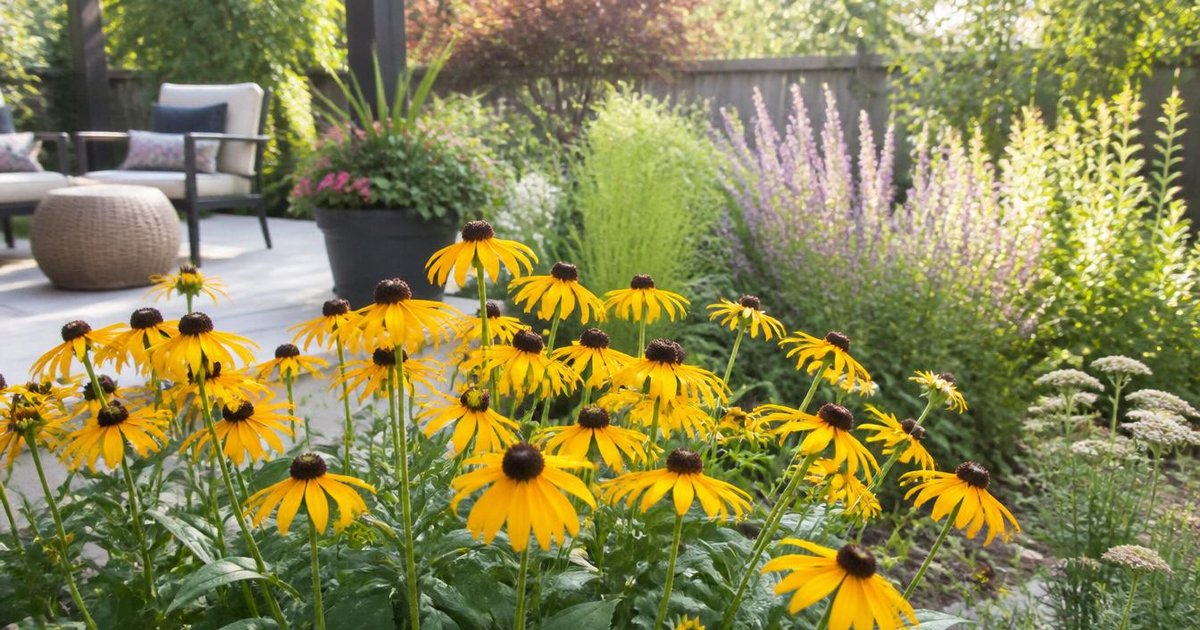
How to Grow Rudbeckia in Fort Collins and Along Colorado’s Front Range
Rudbeckia, often known as black-eyed Susan, is one of the most dependable and cheerful bloomers in the summer garden. With its golden-yellow petals and dark central cones, it brings a warm, prairie-inspired brightness that feels perfectly at home in Fort Collins and across the Front Range.
Unlike many tender annuals, rudbeckia leans into Colorado’s climate rather than struggling against it. It handles sun, wind, heat, and dry air with confidence, making it a natural fit for both traditional garden beds and more naturalistic, pollinator-friendly landscapes.
At [Plantorium.com](https://plantorium.com?utm_source=chatgpt.com rudbeckia is often included in summer collections for gardeners seeking long-lasting color with minimal maintenance and strong ecological value.
Why Rudbeckia Performs So Well in Northern Colorado
Rudbeckia has a prairie heritage, and that origin story shows in its performance. It is built for open skies, strong sunlight, and variable rainfall—conditions that closely resemble those found along the Front Range.
It thrives because:
- It loves full sun and high light intensity
- It tolerates drought once established
- It handles wind and heat well
- It blooms steadily through summer into fall
The classic flower form—golden petals surrounding a dark central cone—creates a strong visual contrast that stands out in both formal and naturalistic plantings.
Modern varieties also expand the palette slightly, offering:
- Golden yellow
- Orange tones
- Mahogany and bronze blends
- Double-flowered forms in some cultivars
When to Plant Rudbeckia in Fort Collins
Rudbeckia can be planted outdoors after the risk of frost has passed, typically around mid-May in Fort Collins and surrounding areas.
Once planted in warm soil, it establishes steadily and begins flowering as temperatures rise into early summer.
Because it is relatively hardy compared to many annuals, it often continues performing well even as seasonal conditions shift later in the year.
Sunlight Requirements
Full sun is ideal for strong flowering and compact growth.
In Northern Colorado:
- Aim for 6–8+ hours of direct sun daily
- Provide open exposure for airflow
- Avoid deep shade, which reduces bloom production
In full sun, rudbeckia develops sturdy stems and abundant flowers that hold up well through summer heat.
Soil and Growing Conditions
Rudbeckia is adaptable but prefers well-draining soil.
For best performance:
- Amend clay soils with compost before planting
- Avoid overly rich or waterlogged conditions
- Use quality potting mix in containers
Once established, it is relatively forgiving of less-than-perfect soil conditions, which adds to its reputation as a reliable landscape plant.
Watering in a Front Range Climate
Rudbeckia is drought tolerant once established, but young plants benefit from consistent moisture early in the season.
Watering guidelines:
- Water deeply during establishment
- Allow soil to dry slightly between waterings once mature
- Increase watering during prolonged heat or wind
- Avoid constantly soggy soil
In Fort Collins’ dry air, garden beds typically dry faster than expected, especially in exposed locations.
Fertilizing for Steady Blooms
Rudbeckia does not require heavy feeding.
A moderate, balanced fertilizer at planting time is usually sufficient to support strong flowering. Over-fertilizing can lead to excessive foliage growth at the expense of blooms.
In many garden settings, its natural vigor is enough to carry it through the season with minimal additional input.
Garden Role and Landscape Use
Rudbeckia is one of the most versatile plants in summer design, bridging ornamental gardens and naturalistic plantings.
It works especially well in:
- Prairie-style gardens
- Pollinator landscapes
- Cottage gardens
- Mass planting beds
- Mixed perennial-style containers
- Naturalized borders
In Fort Collins landscapes, it is often used to bring warm color continuity through late summer when other plants begin to fade.
Pollinator and Wildlife Value
One of rudbeckia’s greatest strengths is its ecological role.
The flowers attract:
- Bees
- Butterflies
- Beneficial insects
The seed heads that form later in the season also provide food for birds, extending its value beyond summer bloom.
For gardeners focused on supporting biodiversity in the Front Range region, rudbeckia is one of the most effective and low-maintenance choices available.
Handling Colorado Weather
Rudbeckia is well adapted to the challenges of Front Range gardening.
It handles:
- Strong sunlight
- Heat waves
- Dry air
- Wind exposure
- Periodic drought stress
It is less tolerant of:
- Heavy, poorly drained soil
- Extended overwatering
- Deep shade
Even after hail or storm damage, plants often recover quickly with continued flowering.
Companion Planting
Rudbeckia pairs beautifully with other sun-loving, prairie-inspired plants.
Excellent companions include:
- Verbena
- Echinacea (coneflower)
- Ornamental grasses
- Salvia
- Lantana
- Gaillardia
- Calibrachoa
In mixed plantings, it often serves as a warm, structural anchor that ties together brighter or more delicate flowers.
A True Front Range Classic
Rudbeckia feels almost native to the Colorado landscape, even when grown as an annual or short-lived perennial. Its golden blooms echo the colors of late summer grasslands and open plains, bringing a sense of warmth and continuity to gardens across Fort Collins and the wider region.
For gardeners seeking reliability, pollinator value, and long-season color with minimal maintenance, rudbeckia remains one of the most dependable choices available.
Explore seasonal availability and additional annuals at [Plantorium.com’s full plant catalog](https://plantorium.com/all-plants/?utm_source=chatgpt.com
Facts Only
Rudbeckia, also called black-eyed Susan, is a summer-blooming plant with golden-yellow petals and dark central cones.
It is well-adapted to Fort Collins and Colorado’s Front Range climate, tolerating sun, wind, heat, and dry air.
The plant thrives in full sun, requiring 6–8+ hours of direct sunlight daily for optimal growth and flowering.
Rudbeckia prefers well-draining soil and benefits from compost amendments in clay soils.
It is drought-tolerant once established but requires consistent moisture for young plants.
The plant does not need heavy fertilization; a balanced fertilizer at planting is sufficient.
Rudbeckia attracts pollinators like bees and butterflies and provides seed heads for birds.
It is commonly used in prairie-style gardens, pollinator landscapes, and mixed perennial containers.
Companion plants include echinacea, ornamental grasses, verbena, and salvia.
Rudbeckia can be planted outdoors in Fort Collins after the risk of frost has passed, typically around mid-May.
It handles Colorado’s weather challenges, including heat waves and wind, but struggles in poorly drained soil or deep shade.
The plant is available through seasonal collections at Plantorium.com.
Executive Summary
Full Take
This article presents rudbeckia as an ideal plant for Fort Collins and the Front Range, emphasizing its resilience and ecological benefits. The narrative is straightforward and informative, focusing on practical gardening advice without overt manipulation. However, it’s worth noting the subtle framing of rudbeckia as a "natural fit" for the region, which could imply a sense of inevitability or superiority over other plants. While the claims about its drought tolerance and pollinator appeal are well-supported, the article doesn’t address potential drawbacks, such as its short-lived perennial nature in some varieties or susceptibility to certain pests.
The ecological emphasis aligns with broader trends in sustainable gardening, but the piece could benefit from acknowledging alternative perspectives, such as the role of native plants versus introduced species in supporting local ecosystems. The mention of Plantorium.com as a source for purchasing rudbeckia introduces a commercial element, though it’s presented as a resource rather than a hard sell.
**Patterns detected: none**
Root cause: The narrative reflects a growing interest in low-maintenance, ecologically beneficial gardening, particularly in regions with challenging climates like Colorado’s Front Range. The assumptions here are that gardeners prioritize ease of care and pollinator support, which may not universally hold true.
Implications: For gardeners, rudbeckia offers a practical and visually appealing option, but the broader implication is the promotion of plants that align with environmental sustainability goals. However, the focus on a single species could oversimplify the complexity of creating diverse, resilient ecosystems.
Bridge questions: How does rudbeckia compare to native Colorado plants in terms of ecological benefits? What are the long-term effects of introducing non-native species, even those that are well-adapted, into local gardens? Would a more diverse planting strategy better support pollinators and soil health?
Counterstrike scan: If this were part of a coordinated campaign, it might emphasize rudbeckia’s benefits while downplaying alternatives, framing it as the only viable option for Front Range gardens. However, the article doesn’t exhibit this pattern, as it presents rudbeckia as one of many suitable choices without dismissing others.
Sentinel — Human
The text reads like a highly polished, authoritative guide, exhibiting strong internal coherence but lacking the idiosyncratic voice or stylistic erraticism of a typical human journalist.