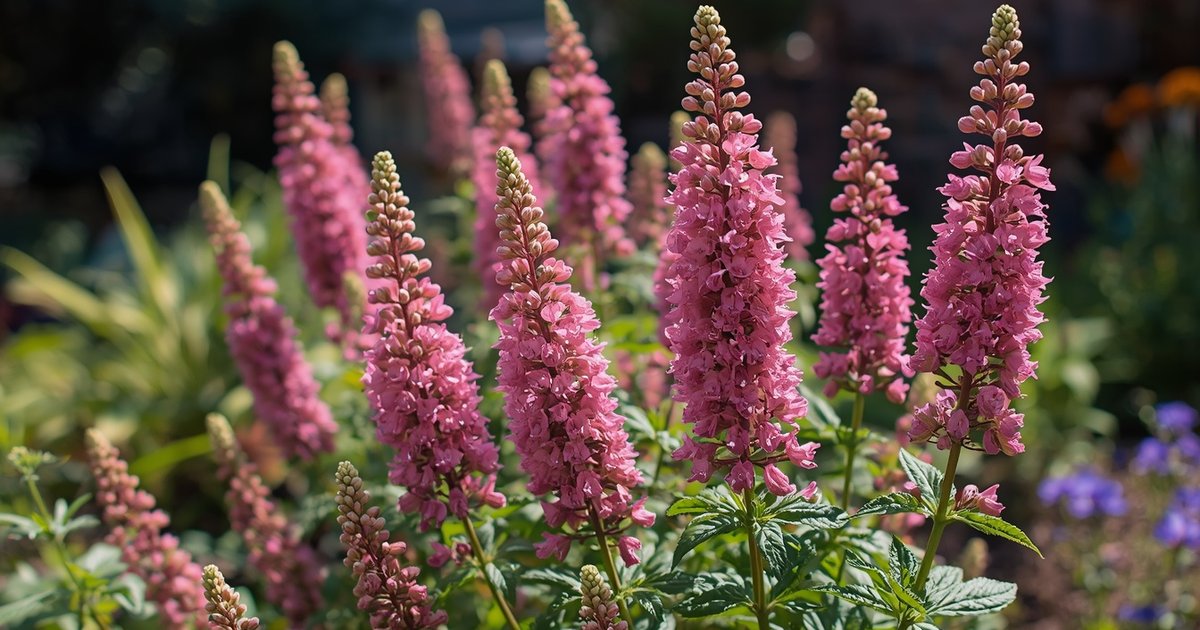
Plectranthus is one of those foliage-first annuals that quietly does the hard work in a garden design. While it may not always steal attention with bright blooms, it delivers something just as valuable: soft texture, trailing movement, and a cooling visual contrast to the intense color of summer flowers. In Fort Collins and across the Front Range, it has become a staple “filler-spiller” plant in containers and shaded patios.
With its velvety leaves and cascading growth habit, plectranthus brings a lush, almost tropical softness to Colorado’s otherwise sun-drenched summer landscapes.
At [Plantorium.com](https://plantorium.com?utm_source=chatgpt.com plectranthus is often used in combination plantings where foliage texture is just as important as flower color.
Why Plectranthus Works So Well in Northern Colorado Containers
Plectranthus is primarily grown for its foliage rather than its flowers. The leaves are often soft, slightly fuzzy, and come in shades ranging from deep green to silvery or variegated patterns depending on the variety.
In Front Range gardens, it is especially valued because:
- It thrives in container culture
- It tolerates partial shade better than most annuals
- It adds trailing movement to mixed plantings
- It softens the edges of containers and hanging baskets
While some varieties do produce small, delicate blooms, the real appeal is the cascading foliage that frames brighter flowering plants.
When to Plant Plectranthus in Fort Collins
Plectranthus is sensitive to cold and should be planted only after the last frost has passed.
In Fort Collins and surrounding areas, this typically means mid-May or later, once nighttime temperatures remain consistently mild.
Because it is often used in containers, gardeners can move plants outdoors gradually to acclimate them to wind and sun exposure.
Sunlight Requirements
Unlike many flowering annuals that demand full sun, plectranthus is more flexible.
In Northern Colorado, it performs best in:
- Partial shade
- Morning sun with afternoon protection
- Bright indirect light on patios or porches
Too much direct sun, especially in exposed Front Range conditions, can cause leaf scorch or faded coloration. In shaded areas, however, it thrives and maintains lush, healthy growth.
Soil and Container Needs
Plectranthus prefers well-draining soil that retains light moisture.
For best results:
- Use a high-quality potting mix in containers
- Avoid heavy, compacted garden soils
- Ensure good drainage to prevent root stress
Because it is commonly used in mixed planters, it pairs well with other container annuals that share similar moisture preferences.
Watering in Colorado’s Climate
Although somewhat drought tolerant once established, plectranthus performs best with consistent moisture.
A good watering routine includes:
- Watering when the top layer of soil begins to dry
- Avoiding prolonged dryness, especially in containers
- Reducing water slightly in shaded conditions
- Increasing frequency during hot, windy spells
In Fort Collins’ dry air, containers can dry quickly even in partial shade, so regular monitoring is important.
Fertilizing for Healthy Foliage
Plectranthus is not a heavy feeder, but light fertilization supports steady growth.
A balanced fertilizer applied every few weeks helps maintain:
- Dense, healthy foliage
- Strong trailing stems
- Consistent container performance
Too much fertilizer can cause overly soft growth, so moderate feeding is ideal.
Garden Role and Design Use
Plectranthus is best understood as a supporting plant in design composition.
It excels in:
- Hanging baskets
- Mixed patio containers
- Shaded porch planters
- Understory plantings in large containers
- Softening edges of bold floral arrangements
In Fort Collins gardens, it is often paired with bright flowering annuals to create contrast between vivid color and calming foliage texture.
Handling Front Range Conditions
Plectranthus performs well in Colorado’s dry climate when given the right placement.
It handles:
- Dry air in shaded environments
- Moderate heat when protected from direct sun
- Container culture with regular watering
It struggles with:
- Frost (highly sensitive)
- Intense direct afternoon sun
- Prolonged drought stress
Because it is not frost-tolerant, it is strictly a warm-season annual in the Front Range.
Companion Planting
Plectranthus is especially valuable in mixed containers where contrast is key.
Excellent companions include:
- Petunias (especially trailing types)
- Calibrachoa
- Impatiens (in shade)
- Bacopa
- Coleus
- Fern-like foliage plants
- Ornamental sweet potato vine
Its soft, trailing habit helps unify more colorful or upright plants into a cohesive arrangement.
A Quiet Workhorse of Summer Containers
Plectranthus may not be the loudest plant in the garden, but it is one of the most effective at creating depth, softness, and structure in container design. In Fort Collins and across the Front Range, it plays an essential supporting role in shaded patios and mixed planters where texture matters as much as bloom.
For gardeners looking to elevate their container designs beyond pure color, plectranthus offers a refined, dependable layer of foliage that ties everything together.
Explore seasonal availability and additional annuals at [Plantorium.com’s full plant catalog](https://plantorium.com/all-plants/?utm_source=chatgpt.com
Facts Only
Plectranthus is an annual plant grown primarily for its foliage, featuring soft, velvety leaves in shades of green, silver, or variegated patterns.
It is commonly used in Fort Collins and the Front Range as a "filler-spiller" plant in containers and shaded patios.
The plant thrives in partial shade and tolerates container culture better than many flowering annuals.
Plectranthus should be planted after the last frost, typically mid-May or later in Northern Colorado.
It prefers well-draining soil and consistent moisture, though it is somewhat drought-tolerant once established.
The plant is sensitive to frost and intense afternoon sun, which can cause leaf scorch.
Common companion plants include petunias, calibrachoa, impatiens, bacopa, coleus, and ornamental sweet potato vine.
Plectranthus is used to soften container edges and add trailing movement to mixed plantings.
It is not frost-tolerant and is strictly a warm-season annual in the Front Range.
The plant is available through retailers like Plantorium.com, which specializes in seasonal annuals.
Executive Summary
Full Take
This article presents plectranthus as a practical and aesthetic solution for Northern Colorado gardeners, emphasizing its role in container design and shaded environments. The strongest version of this narrative highlights its adaptability to local conditions—partial shade tolerance, drought resilience, and textural contrast—while acknowledging its limitations (frost sensitivity, sun exposure risks). The framing aligns with a broader trend in horticulture toward valuing foliage as much as flowers, reflecting a shift in garden design priorities.
Patterns detected: none. The content avoids manipulation tactics, focusing instead on practical advice and contextual benefits. However, the implicit assumption that plectranthus is universally ideal for all Front Range gardeners warrants scrutiny. What if a gardener prioritizes low-maintenance plants over texture? Or if local microclimates vary significantly? The article’s utility hinges on its audience’s specific needs, which remain unexamined.
Root cause: The narrative assumes that aesthetic diversity (foliage + flowers) is a primary goal for gardeners, which may not hold for those focused on pollinator support or water conservation. The emphasis on container culture also reflects urban and suburban gardening constraints, potentially sidelining rural or large-scale landscaping perspectives.
Implications: For gardeners, plectranthus offers a low-risk, high-reward option for shaded spaces, but its reliance on consistent care (watering, frost protection) may limit its appeal for time-strapped individuals. The broader implication is that plant selection is increasingly driven by design trends rather than purely ecological or functional criteria.
Bridge questions: How might plectranthus perform in xeric (low-water) gardens compared to native alternatives? What trade-offs exist between its aesthetic benefits and resource demands? Would local nurseries confirm its popularity, or is this a niche preference?
Counterstrike scan: If this were part of a coordinated campaign, it might promote plectranthus as a "must-have" plant to drive sales, downplaying alternatives. However, the article’s balanced tone and practical caveats (e.g., frost sensitivity) suggest genuine horticultural advice rather than manipulative marketing. No structural alignment with an attack pattern is evident.
Sentinel — Human
Sentinel analysis incomplete — partial response from fallback model.