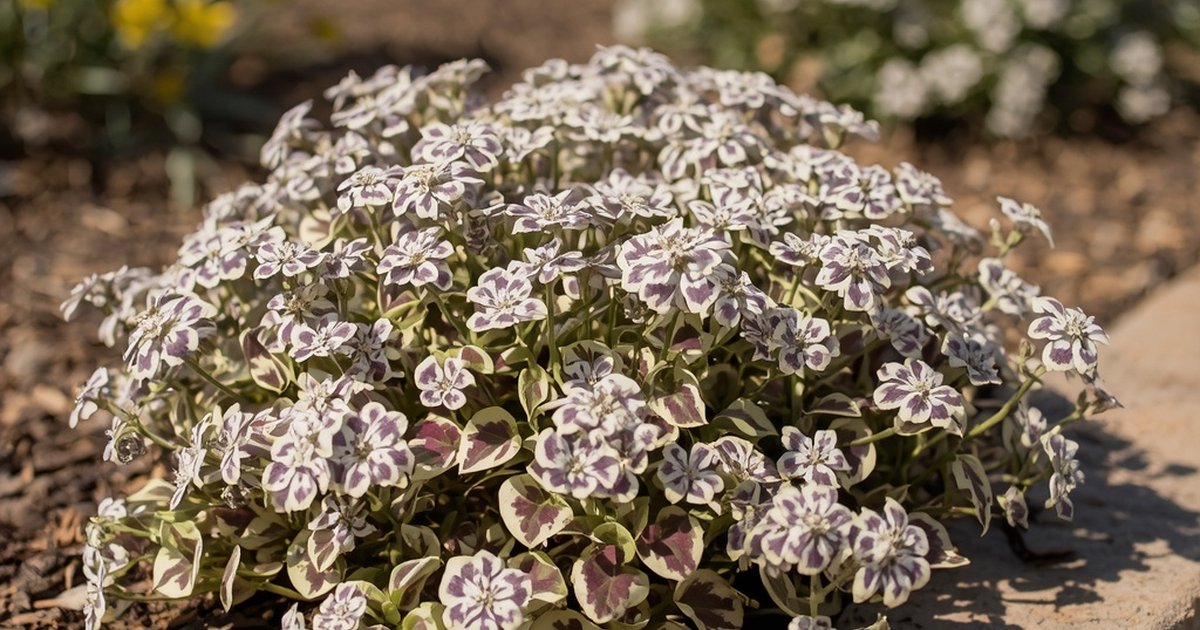
Cerastium, more commonly known as Snow-in-Summer, is one of the most beloved perennial groundcovers for sunny, dry landscapes. With its soft silver foliage and blanket-like display of white flowers in late spring and early summer, it brings a bright, cooling effect to gardens across Fort Collins and the Front Range.
Few perennials capture the feel of alpine and mountain gardens quite as naturally as cerastium. It looks especially at home spilling over stone walls, softening pathways, or filling gaps between rocks in Colorado’s dry climate.
At [Plantorium.com](https://plantorium.com?utm_source=chatgpt.com cerastium is valued as a durable perennial groundcover for sunny sites where drought tolerance and low-maintenance beauty are essential.
Why Cerastium Performs So Well in Northern Colorado
Cerastium tomentosum is native to mountainous regions and naturally adapted to rocky, well-drained environments. That makes it exceptionally well suited to Front Range conditions.
It thrives because:
- It loves full sun and dry air
- It tolerates poor, rocky soil
- It handles drought once established
- Its silver foliage reflects intense sunlight beautifully
The plant forms a low-growing carpet of soft, silvery-gray leaves, topped in late spring with masses of small white flowers that create the appearance of freshly fallen snow across the garden.
When to Plant Cerastium in Fort Collins
Cerastium can be planted in spring or early fall in Northern Colorado.
For best establishment:
- Spring planting allows roots to settle before summer heat
- Early fall planting benefits from cooler temperatures and reduced stress
- Avoid planting during the hottest part of summer
Once established, cerastium spreads steadily outward, creating a dense mat over time.
Sunlight Requirements
Full sun is essential for healthy growth and strong flowering.
In the Front Range climate:
- Provide at least 6–8 hours of direct sunlight daily
- Avoid heavily shaded locations
- Ensure good airflow around the plant
In shade, cerastium may become sparse, floppy, or lose some of its characteristic silver coloration.
Soil and Growing Conditions
Excellent drainage is the single most important requirement for cerastium.
It performs best in:
- Sandy or rocky soils
- Raised beds
- Sloped planting areas
- Rock gardens and alpine-style landscapes
Heavy clay soils should be amended heavily with gravel or compost to improve drainage.
Cerastium actually prefers lean soil and often performs better in modest conditions than in overly rich garden beds.
Watering in a Front Range Climate
Once established, cerastium is highly drought tolerant.
Recommended watering approach:
- Water regularly during the first growing season
- Allow soil to dry thoroughly between waterings
- Reduce watering significantly once mature
- Avoid constantly moist soil
In Fort Collins’ dry climate, established plants usually require very little supplemental irrigation except during prolonged drought.
Fertilizing and Maintenance
Cerastium requires very little fertilization.
In most cases:
- A light spring compost application is sufficient
- Over-fertilizing can reduce flowering and create floppy growth
Maintenance is minimal and typically includes:
- Light trimming after flowering to refresh foliage
- Removing dead stems in spring if needed
- Dividing older patches every few years if growth becomes woody
Garden Role and Landscape Use
Cerastium is primarily used as a sun-loving perennial groundcover.
It works especially well in:
- Rock gardens
- Slopes and retaining walls
- Pathway edging
- Xeriscape designs
- Alpine-style plantings
- Dry perennial borders
In Fort Collins landscapes, it is especially effective in areas where reflected heat and poor soil challenge other perennials.
Pollinator and Seasonal Value
While the bloom period is relatively concentrated in late spring and early summer, the flowers still provide value for:
- Bees
- Small pollinating insects
Even after flowering ends, the silver foliage remains attractive throughout the season.
Handling Colorado Weather
Cerastium is exceptionally well adapted to Front Range growing conditions.
It tolerates:
- Heat
- Dry air
- Rocky soil
- Strong sunlight
- Cold winters
It is less tolerant of:
- Poor drainage
- Humid conditions
- Heavy, wet soil during winter
Colorado’s dry climate actually helps reduce many of the fungal issues that affect cerastium in wetter regions.
Companion Planting
Cerastium pairs beautifully with other drought-tolerant and alpine-style perennials.
Excellent companions include:
- Creeping phlox
- Sedum
- Lavender
- Dianthus
- Blue fescue grass
- Ice plant (Delosperma)
- Penstemon
Its silver foliage acts as a visual “cooling layer” between brighter flowering plants.
A Classic Groundcover for Sunny Colorado Gardens
Cerastium has endured in gardens for generations because it does exactly what gardeners hope a perennial groundcover will do: spread gracefully, survive difficult conditions, and look beautiful with minimal intervention.
In Fort Collins and across the Front Range, Snow-in-Summer feels especially appropriate—echoing alpine landscapes while thriving in the dry, sunny conditions of Colorado’s high plains.
For homeowners seeking a low-maintenance perennial with strong seasonal beauty and drought tolerance, cerastium remains one of the most dependable choices available.
Explore seasonal availability and additional perennials at [Plantorium.com’s full plant catalog](https://plantorium.com/all-plants/?utm_source=chatgpt.com
Facts Only
Cerastium, also called Snow-in-Summer, is a perennial groundcover with silver foliage and white flowers.
It is native to mountainous regions and adapted to rocky, well-drained soils.
The plant thrives in full sun and dry air, tolerating poor soil and drought once established.
In Northern Colorado, it can be planted in spring or early fall, avoiding summer heat.
Cerastium requires at least 6–8 hours of direct sunlight daily for healthy growth.
It prefers sandy or rocky soils and struggles in heavy clay unless amended.
Once mature, it needs minimal watering, with established plants requiring little supplemental irrigation.
Maintenance includes light trimming after flowering and occasional division of older patches.
It is commonly used in rock gardens, slopes, and xeriscapes, pairing well with drought-tolerant plants.
The plant attracts bees and small pollinators during its late spring to early summer bloom period.
Cerastium tolerates heat, cold winters, and dry air but is less tolerant of poor drainage or humidity.
It is available for purchase through Plantorium.com, a plant catalog website.
Executive Summary
Cerastium, commonly known as Snow-in-Summer, is a drought-tolerant perennial groundcover well-suited to Northern Colorado’s dry, sunny climate. Native to mountainous regions, it thrives in rocky, well-drained soils and full sun, making it ideal for Front Range gardens. The plant features silver foliage and white flowers in late spring, creating a striking visual effect. It requires minimal maintenance, tolerates poor soil, and spreads steadily once established. Cerastium is often used in rock gardens, slopes, and xeriscapes, pairing well with other drought-resistant plants like sedum and lavender. While it attracts pollinators during its bloom period, its primary appeal lies in its low-water needs and year-round foliage. The article highlights its adaptability to Colorado’s weather extremes, including heat, cold, and dry air, though it struggles with poor drainage or humidity. Gardeners in Fort Collins and similar climates value it for its durability and aesthetic contribution to alpine-style landscapes.
The piece also provides practical guidance on planting, watering, and companion planting, emphasizing its role as a low-maintenance solution for challenging garden conditions. Cerastium’s resilience and visual appeal make it a staple in sustainable, water-wise gardening practices across the region.
Full Take
This article presents Cerastium as an ideal plant for Northern Colorado’s climate, emphasizing its drought tolerance, low maintenance, and aesthetic appeal. The narrative aligns with broader trends in xeriscaping and sustainable gardening, where water conservation and adaptability to local conditions are prioritized. The piece effectively steelmans the case for Cerastium by highlighting its practical benefits—such as its ability to thrive in poor soil and full sun—while acknowledging its limitations, like intolerance for wet conditions.
However, the analysis could benefit from deeper scrutiny of potential biases. The article promotes Cerastium as a near-perfect solution for Front Range gardens, which may overlook alternative groundcovers or the specific challenges some gardeners might face (e.g., soil amendment costs or microclimate variations). The repeated emphasis on its suitability for Colorado’s climate, while accurate, could subtly reinforce a narrative that native or adaptive plants are universally superior without addressing trade-offs, such as its limited bloom period or potential invasiveness in certain contexts.
The root cause of this narrative appears to be the growing demand for sustainable, low-water landscaping solutions in arid regions. The article assumes that readers prioritize drought tolerance and ease of care, which may not account for those seeking higher pollinator value or year-round floral interest. The implications for human agency are positive—gardeners are empowered to make resilient choices—but the piece could better acknowledge the diversity of gardening goals.
Bridge questions: How does Cerastium compare to other groundcovers in terms of long-term soil health or biodiversity support? What are the ecological trade-offs of favoring non-native, drought-tolerant plants over native species? Would a more nuanced discussion of its limitations (e.g., potential for woody growth or limited pollinator support) change its perceived value?
Counterstrike scan: If this were part of a coordinated campaign, it might resemble a marketing push for water-wise gardening products, leveraging regional climate concerns to promote specific plants. However, the content does not exhibit manipulative patterns; it provides practical advice without exaggeration or emotional appeals. The inclusion of limitations (e.g., drainage requirements) suggests good faith rather than a sales-driven agenda.
Patterns detected: none