Mother Mary Comes To Me
Arundhati Roy
Hamish Hamilton: 2025
.
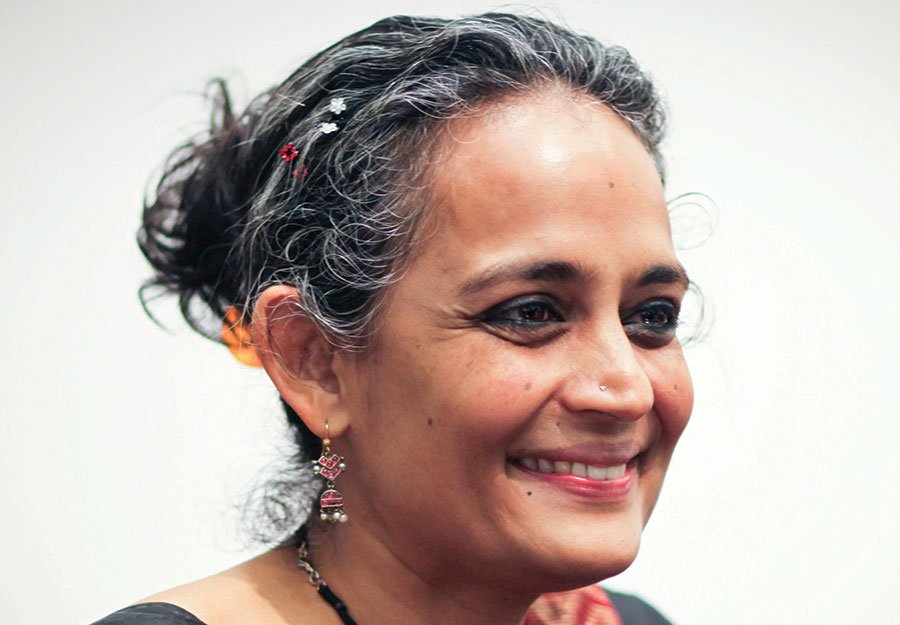
In the memoir, Mother Mary Comes To Me, Arundhati Roy mourns the death of her mother, Mary Roy, while reckoning with her own meteoric rise to fame three decades ago with the Booker Prize winning novel, The God of Small Things.
Much of the memoir recounts Roy’s childhood with her single mother, the founder of a residential school in Kottayam, Kerala, who was widely known for successfully petitioning the Indian Supreme Court to abolish the Travancore Christian Succession Act, which had prevented Christian women from inheriting family property in India. Although exact sales figures haven’t yet been released, the commercial success of Mother Mary Comes To Me is undeniable, highlighting the publishing industry’s voracious appetite for personal memoirs by well-known writers, from Margaret Atwood’s recent revelations in Book of Lives: A Memoir of Sorts to Fatima Bhutto’s memoir about a traumatic relationship in The Hour of the Wolf.
The presentation of Mother Mary Comes To Me is simple but striking. The dust jacket of my hardback copy features a black-and-white portrait of a young Roy with her signature curls, smoking a cigarette. Embossed on the cover underneath is an imprint of an insect—a moth that readers will encounter in her memoir as representing the wild heartbeat of a frightened child, as Roy’s public life propels her to chase dangerous political commitments.
She has, among many other things, opposed the construction of hydroelectric dams on the Narmada River that displaced indigenous inhabitants and destroyed river ecosystems, told the tales of forest-dwelling Maoist insurgents in the mineral-rich tribal belts of Chhattisgarh, and criticised the belligerent nationalism behind a series of nuclear tests near Pokhran in Rajasthan. For her defiant writing, Roy has faced obscenity charges, accusations of contempt of court, and even a brief period of imprisonment. In her private life, she seems to turn the safety of home into a place of no return, sabotaging her romantic relationships and drifting into states of homelessness.
- Tags: Arundhati Roy, India, Issue 43, Sanjita Majumder
Facts Only
* Arundhati Roy wrote the memoir *Mother Mary Comes To Me*.
* The memoir recounts Roy's mourning of her mother, Mary Roy.
* Mary Roy was the founder of a residential school in Kottayam, Kerala.
* Mary Roy successfully petitioned the Indian Supreme Court to abolish the Travancore Christian Succession Act.
* Roy opposed the construction of hydroelectric dams on the Narmada River.
* Roy told tales of forest-dwelling Maoist insurgents in Chhattisgarh.
* Roy criticized the nationalism behind nuclear tests near Pokhran in Rajasthan.
* Roy faced obscenity charges and accusations of contempt of court.
* Roy experienced a brief period of imprisonment.
* Roy's public life involved chasing dangerous political commitments.
Executive Summary
Full Take
Sentinel — Human
The text exhibits strong human markers, displaying a unique narrative voice and specific literary choices that indicate original authorship rather than automated generation.