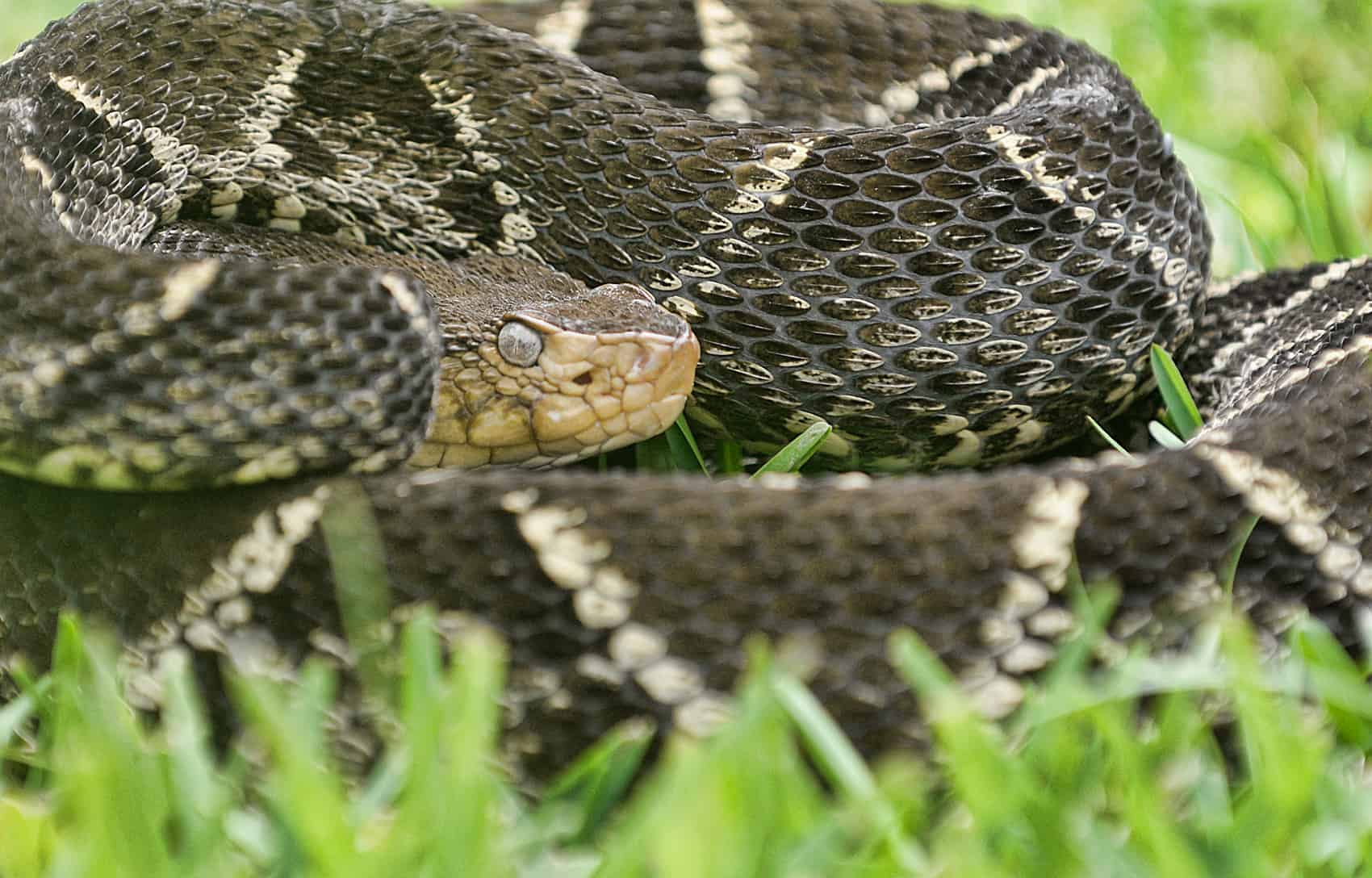
Costa Rica now has its first mobile app designed to help people identify venomous snakes and respond to bites. The Clodomiro Picado Institute at the University of Costa Rica developed the free tool, called the ICP App, to cut down on snakebite incidents across the country. The institute already produces antivenoms that save lives.
It created the app to address a steady stream of requests from people who send in photos of snakes and ask if the animals pose a danger. Dr. Andrés Hernández, the institute’s chief pharmacist, said the inquiries show a clear gap in public knowledge about these reptiles. The app puts accurate, science-based details in users’ hands so they can act fast instead of guessing or turning to unreliable sources online.
Hernández explained that the idea took shape after repeated calls and messages. “Almost every day we receive a photo of a snake and are asked what kind it is and whether it’s poisonous,” he said. “Sometimes, people even tell us they’ve already killed the snake, something completely unnecessary. Seeing that this was a constant occurrence and that the need for information was clear, we decided to promote this mobile app to provide scientifically backed information.” Computer systems engineering student Fernando Morales Cascante helped turn the concept into a working app.
The tool covers the 25 venomous snake species found in Costa Rica. Users see clear photos, learn about each snake’s behavior and where it lives, and get step-by-step guidance on what to do if a bite occurs. It also includes first-aid instructions, details on the institute’s antivenom production, and a list of official distributors around the world.
Health workers gain from the app too. Quick identification helps doctors make better decisions when patients arrive at clinics or hospitals. Dr. Yamileth Angulo Ugalde, director of the institute, noted that the app lets people report the exact area where an incident happened. That information feeds into reports coordinated with the Ministry of Health, which improves tracking of snakebite patterns nationwide.
Navigation stays simple. Menus lead straight to species photos and organized sections. One feature lets users tap an interactive map by province to see which snakes appear in each region. The app also shows 12 non-venomous species that people often mistake for dangerous ones. Clear language and direct links keep everything easy to follow, even for those with no background in the subject.
Hernández stressed the value of staying calm during an encounter. Snakes usually bite only when they feel threatened, so the best move is to keep a safe distance and call the fire department for safe removal instead of trying to handle the animal. The app reminds users of the snakes’ role in the ecosystem. Both venomous and non-venomous species help control rodent and other populations, and Costa Rica’s many national parks make respectful distance even more important.
The ICP App is ready for download on Android devices through the Google Play Store and on iOS through the Apple App Store. Anyone in Costa Rica can get it at no cost and start using the information right away.
Facts Only
The Clodomiro Picado Institute at the University of Costa Rica developed the ICP App, a free mobile tool for identifying venomous snakes and responding to bites.
The app covers 25 venomous snake species found in Costa Rica, providing photos, behavioral details, habitat information, and bite response guidance.
It includes first-aid instructions, antivenom production details, and a list of official distributors worldwide.
The app features an interactive map showing snake distributions by province and highlights 12 non-venomous species often mistaken for dangerous ones.
Health workers use the app to improve medical decisions and report snakebite locations, aiding nationwide tracking with the Ministry of Health.
The app is available for download on Android and iOS devices at no cost.
Dr. Andrés Hernández, the institute’s chief pharmacist, noted frequent public inquiries about snake identification as the impetus for the app.
Computer systems engineering student Fernando Morales Cascante contributed to the app’s development.
The app advises users to maintain distance from snakes and contact the fire department for safe removal.
It emphasizes the ecological role of snakes in controlling rodent populations and other species.
The institute already produces antivenoms that save lives.
The app aims to reduce snakebite incidents and prevent unnecessary killing of snakes.
Executive Summary
Costa Rica has launched its first mobile app, the ICP App, designed to help users identify venomous snakes and respond to bites. Developed by the Clodomiro Picado Institute at the University of Costa Rica, the free tool aims to reduce snakebite incidents by providing accurate, science-based information. The app covers all 25 venomous snake species in the country, offering photos, behavioral details, habitat information, and step-by-step guidance for bite responses, including first-aid instructions and antivenom distribution details. It also helps users distinguish between venomous and non-venomous species, with an interactive map showing regional snake distributions. Health workers benefit from the app’s quick identification features, which aid in medical decision-making and improve nationwide tracking of snakebite patterns through coordination with the Ministry of Health. The app emphasizes safe practices, such as maintaining distance from snakes and contacting authorities for removal, while highlighting the ecological importance of these reptiles. Available on both Android and iOS, the ICP App is a collaborative effort involving institute researchers and student developers, addressing a clear public need for reliable information.
The initiative stems from frequent public inquiries about snake identification, revealing a knowledge gap that often leads to unnecessary harm to snakes and misinformed responses to encounters. By centralizing expert-backed resources, the app seeks to empower users with actionable knowledge, reducing reliance on unreliable online sources. Its development reflects a broader commitment to public health and environmental stewardship, aligning with Costa Rica’s conservation efforts and national park systems.
Full Take
The ICP App represents a proactive response to a recurring public need, leveraging technology to bridge a knowledge gap in snake identification and bite response. At its strongest, the narrative highlights a collaborative effort between academic institutions, public health agencies, and student developers to address a tangible problem with science-based solutions. The app’s focus on accessibility, accuracy, and ecological awareness aligns with Costa Rica’s reputation for conservation and public health innovation. By centralizing expert knowledge, it reduces reliance on unreliable sources and empowers users to make informed decisions, potentially saving lives and protecting wildlife.
Patterns detected: none. The narrative avoids emotional exploitation, distortion, or bad-faith tactics, presenting a straightforward public service initiative. However, the underlying paradigm assumes that technology alone can solve complex human-wildlife conflicts. While the app provides critical information, it does not address deeper systemic issues such as habitat encroachment or cultural attitudes toward snakes. The ecological framing, while commendable, could inadvertently downplay the fear and trauma associated with snakebites, particularly in rural communities where medical access may be limited.
The implications for human agency are largely positive, as the app equips individuals with tools to act responsibly. Yet, the costs—such as potential over-reliance on digital solutions or the exclusion of non-tech-savvy populations—warrant consideration. Second-order consequences might include shifts in public behavior, such as increased reporting of snake sightings or reduced unnecessary killings, but also the risk of complacency in areas where internet access is inconsistent.
Bridge questions: How might this app’s success be measured beyond download numbers? What cultural or educational barriers could limit its effectiveness in rural areas? Would integrating local knowledge systems alongside scientific data enhance its utility?
Counterstrike scan: A coordinated influence campaign might exploit this narrative by framing the app as a panacea for snakebite risks, deflecting attention from broader environmental or healthcare infrastructure needs. However, the actual content does not match this pattern, as it explicitly acknowledges the app’s role as a supplementary tool rather than a standalone solution. The focus remains on practical, evidence-based support.