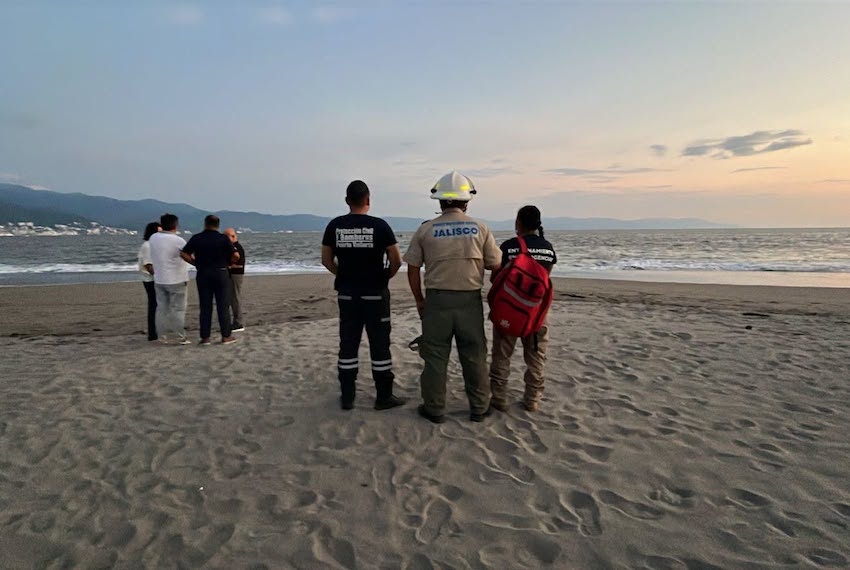
A 28-year-old Mexico City man was killed in a crocodile attack on a Puerto Vallarta beach, prompting authorities to increase surveillance in coastal areas popular with tourists.
The attack occurred Friday evening, June 26, on Marina Vallarta beach near the Marriott Puerto Vallarta Resort and Spa, according to Jalisco state police.
Cocodrilo ataca a un turista de 28 años, pierde la vida; Puerto Vallarta.
SEMAR atrapó al cocodrilo que atacó a turista y recuperaron el cuerpo, en la zona de playa frente al estero de Boca Negra. pic.twitter.com/aVtUiuaTH5
— Impacto Jalisco (@ImpactoJalisco) June 27, 2026
The man, who was reportedly on vacation with friends, was on the shoreline around 6 p.m. when the reptile allegedly attacked and dragged him into the sea.
His body was recovered early Saturday, more than 12 hours later, about 300 meters offshore near the Estero Boca Negra estuary after an overnight search.
State officials said the death has prompted reinforced safety measures, including increased monitoring of beaches, estuaries and other high-risk zones.
A mesa de trabajo (working group) composed of authorities, specialists, civil organizations and tourism sector representatives will continue tracking the species, according to Jalisco authorities.
Witnesses staying at the resort described a chaotic rescue attempt.
“We thought we saw a man caught in a rip current, so Chris ran into the water and I went right behind him,” Jamie Yetter told NBC Los Angeles.
Her fiancé, Chris Bury, added, “There were no paddles. There was really nothing on the beach to help. We were improvising, trying to do what we could.”
Resort officials said warnings were in place, alluding to the region going into “crocodile alert” mode following several incidents about a year ago.
“The safety and security of our guests and associates are our top priority,” the Marriott Puerto Vallarta said in a statement to ABC News, adding that signage, patrols and caution flags “were and are properly in place.”
Authorities urged the public to heed warnings, particularly near estuaries and mangroves where crocodiles are known to inhabit.
Separate incidents in recent days left two people injured in Colima, underscoring ongoing risks along Mexico’s Pacific coast, where human-wildlife encounters, while uncommon, periodically turn deadly.
Mexico recorded 200 crocodile attacks, 25 of them fatal, over the decade from 2015 to 2024, according to the CrocAttack database, which tracks incidents worldwide. The attacks involved species found along Mexico’s coasts and wetlands.
With reports from Telemundo 52, Notisistema, N+ and ABC News
Sentinel — Human
The text functions as a typical, well-sourced news report, expertly balancing a specific tragedy with broader regional context through the integration of official and witness accounts.