Africa is hurting again from a global crisis it had no part in starting
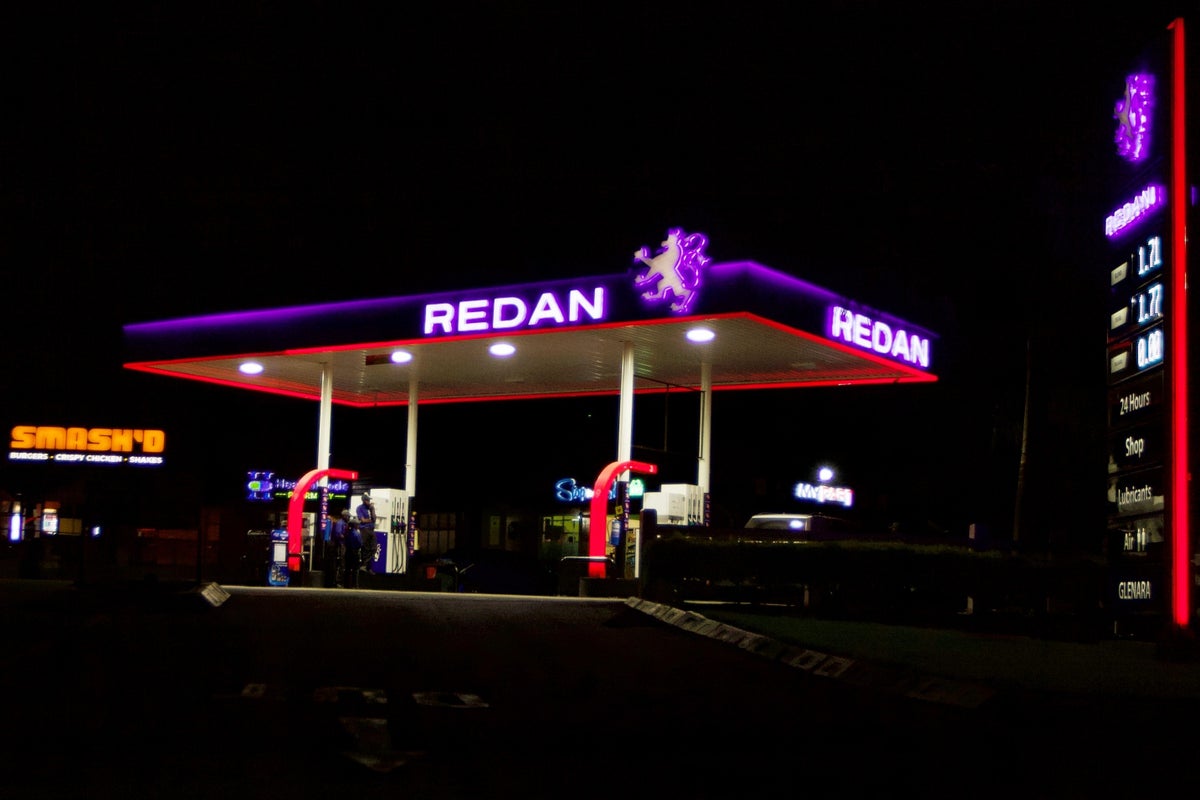
Lagos taxi driver Adegbola Isaac went to the gas station twice last weekend. Each time, the price in the Nigerian city had climbed further and hit 1,350 naira ($0.99) per liter, a nearly 35% increase since the Iran war started. That's wiped out most of his daily profit.
“It is hitting hard,” Isaac told The Associated Press.
Like many people across the world, Isaac is one of millions across Africa who are reeling from the economic impacts of the faraway conflict in the Middle East, which began Feb. 28 with joint U.S.-Israeli strikes on Iran.
For many Africans, the fuel price hike because of the Strait of Hormuz being largely closed off worsens the hardships they already struggle with in some of the world's poorest households.
The latest shock also isn't isolated.
Africa is hurting again from another global crisis it had no part in starting.
From the COVID-19 pandemic to the war in Ukraine and now the Middle East conflict, the world’s fastest-growing continent — with a population rivaling China and India — is at the painful end of ripple effects that include a global scramble for critical resources like fuel and fertilizer.
With the majority of African countries being net importers of refined oil products, the impact has been swift, leading to rising retail fuel prices in Africa and associated increases in the costs of most goods and services.
Experts say African countries are critically integrated into global economies and are exposed to global shocks because of their dependence on major economies.
The United Nations on Friday said it is pursuing a way to allow fertilizer to resume safe transit through the Strait of Hormuz, hoping it would build confidence in wider diplomatic efforts around the Iran war.
Africa is the epicenter of crises
According to a 2025 report by U.N. Trade and Development, or UNCTAD, which describes Africa as “the epicenter of overlapping global crises,” more than half of the continent’s imports and exports are with five non-African countries.
All of Kenya's fuel comes from the Middle East, particularly from the United Arab Emirates, with its fuel retailers saying 20% of the country's outlets are already affected. Uganda's fuel stock was initially projected to last a few weeks.
South Africa sources a significant amount of its fuel from Saudi Arabia. Nigeria, Africa's largest oil producer, lacks local refinery capacity and relies on importing refined crude products from Europe.
Adapting to higher prices
In Zimbabwe, health labor workers protested in favor of an increase in wages as the cost of living rose sharply. In response, the government plans to increase the blending of fuel with ethanol, from the current 5% to 20% ethanol blending. The blend poses a danger to cars, and a higher blend contributes to the emission of pollutants.
“I now avoid going into town during peak hours because the fares are too high,” said Washington Nyakarize, an informal cellphone trader who works in Harare’s Central Business District. “If I go later, the charge is a bit lower, but I lose business, because most customers come early in the morning.”
After South Africa's fuel supplies from Saudi Arabia dropped, diesel-dependent industries started to panic-buy, fearing the worst. That is despite the Department of Mineral and Petroleum Resources, or DMPR, saying the country still has untapped strategic reserves and diversified supply routes.
War is likely to impact more than fuel
Access to fertilizer across Africa, including conflict-wracked countries like Sudan and Somalia, is set to be impacted, according to UNCTAD.
Kenya’s flower industry also has reported weekly losses of up to $1.4 million since the Iran war began, with growers attributing the losses to a decline in demand and shipping disruptions.
Experts say the war could further put Africa in uncharted territory if it lasts longer.
“If the conflict persists for another month or two, honestly, we’re going to be in unknown terrain, that no one else, like, no one can really predict, and we just have to wait and see,” said Zainab Usman, a senior research scholar at the New York-based Center on Global Energy Policy.
Governments scramble for alternatives
With the global squeeze in oil supply, African governments have begun to look for alternative routes for supplies.
Bloomberg reported this week that several countries including South Africa, Kenya and Ghana have reached out to Nigeria's Dangote Refinery for fuel deals.
While it regularly exports jet fuel used in aircraft to the U.S. and Asia, the Dangote refinery this week announced that it completed the sale of 12 shipments of refined petroleum products to several African countries, including Ivory Coast, Cameroon, Tanzania, Ghana and Togo, a first at that scale since reaching full capacity earlier this year.
Energy experts say the Dangote refinery could be challenged in meeting growing demands for its products if its planned expansion is slowed down or if there are disruptions to its crude oil supply.
“As long as there is a steady supply of crude oil, the (Dangote) refinery has the capacity to meet some of the needs” from across the continent, according to Olufola Wusu, a Lagos-based oil and gas expert who was part of a team that helped review Nigeria’s national gas policy.
___
Michelle Gumede and Mogomotsi Magome in Johannesburg, South Africa, and Farai Mutsaka in Harare, Zimbabwe, contributed to this report.
Bookmark popover
Removed from bookmarks
Facts Only
Conflict in Middle East began on February 28
Closure of Strait of Hormuz increases fuel prices in Africa
Many African countries are net importers of refined oil products
South Africa sources a significant amount of its fuel from Saudi Arabia
Nigeria lacks local refinery capacity and relies on European imports
Zimbabwe plans to increase ethanol blending in fuel from 5% to 20%
Executive Summary
Full Take
In analyzing this article, it's important to consider the historical context of global crises affecting Africa. The continent has long been disproportionately impacted by events beyond its control, such as the COVID-19 pandemic and conflicts in other regions. This pattern raises questions about the systemic factors that contribute to Africa's vulnerability. One potential factor is the dependence of many African countries on major economies for resources like fuel and fertilizer. The current conflict in the Middle East further illustrates this vulnerability, as the closure of the Strait of Hormuz has led to increased fuel prices across Africa.
It's also important to acknowledge the complexities within Africa itself. While the continent is often portrayed as a monolithic entity, it is composed of diverse countries with unique challenges and resources. For example, South Africa sources much of its fuel from Saudi Arabia, while Nigeria lacks local refinery capacity. These differences suggest that not all African countries will be equally affected by global crises.
Finally, it's crucial to consider the potential long-term implications of these ongoing crises for African economies and societies. If the conflict in the Middle East persists, it could have unforeseen consequences for Africa, particularly if it leads to further disruptions in fuel supplies. This underscores the need for Africa to diversify its sources of energy and develop local refinery capacity.
Bridge questions: How can African countries better prepare for global crises? What steps can be taken to reduce Africa's dependence on major economies for critical resources like fuel and fertilizer?