When I began my journalism career in the late 1990s, domestic violence was not taken seriously. Young reporters are shocked when I tell them that a woman’s murder rarely made the news back then if the perpetrator was her partner. “Just a domestic,” someone would say, and the story would be dropped.
I grieve for generations of survivors whose terror was dismissed and ignored. While the scourge of family violence has not gone away – it’s estimated that one in four women and one in eight men have experienced violence by an intimate partner or family member since the age of 15 – our understanding of its cruelty, and of the trauma it causes, has evolved enormously.
The Herald is committed to ensuring this issue stays at the forefront of public consciousness, and to advocating for policies and institutional reforms that will prevent family violence and help those affected by it.
They include children. This week, there was a particularly distressing case of a four-year-old boy who was allegedly murdered by his mother on the Central Coast. The circumstances of his death were horrifying.
The little boy was known to child protection authorities. His mother was affected by drugs and mental illness. She’d been living around Armidale and Gunnedah, but left late last year and took her son with her. They hadn’t been living long in Wyong. Still, neighbours said the lad would visit them with his red toy car, and stay for hours. Perhaps strangers who lived down the road were his sanctuary.
As the Herald wrote in its editorial, the Department of Communities and Justice, which runs child protection services, is not responsible for the tragedies that befall children. It cannot solve the problems of dysfunctional and dangerous families. But too often, it is a child’s only hope. And too often, it fails them.
We talk a lot about the physical infrastructure built by governments, but social infrastructure is vital too. The trauma suffered by children who experience family violence is lifelong and incalculable. They are entirely dependent on the adults in their lives; when those adults not only fail but endanger them, they need others to step in.
Crime reporter Amber Schultz, who covered the Wyong story with Perry Duffin this week, has led our in-depth reporting on the child protection system over the past few years. Michaela Whitbourn has investigated the challenges facing family violence victims who are trying to protect their children in the court system. Clare Sibthorpe has told the stories of the survivors. This week, she wrote about one woman’s experience of bringing her rapist to justice.
This subject is hard to cover. I thank our dedicated crime team. They are passionate about their work, and know that if journalists investigate and interrogate the systems tasked with supporting victims of family violence and bringing perpetrators to justice – such as child protection, courts and police – we will continue to see change.
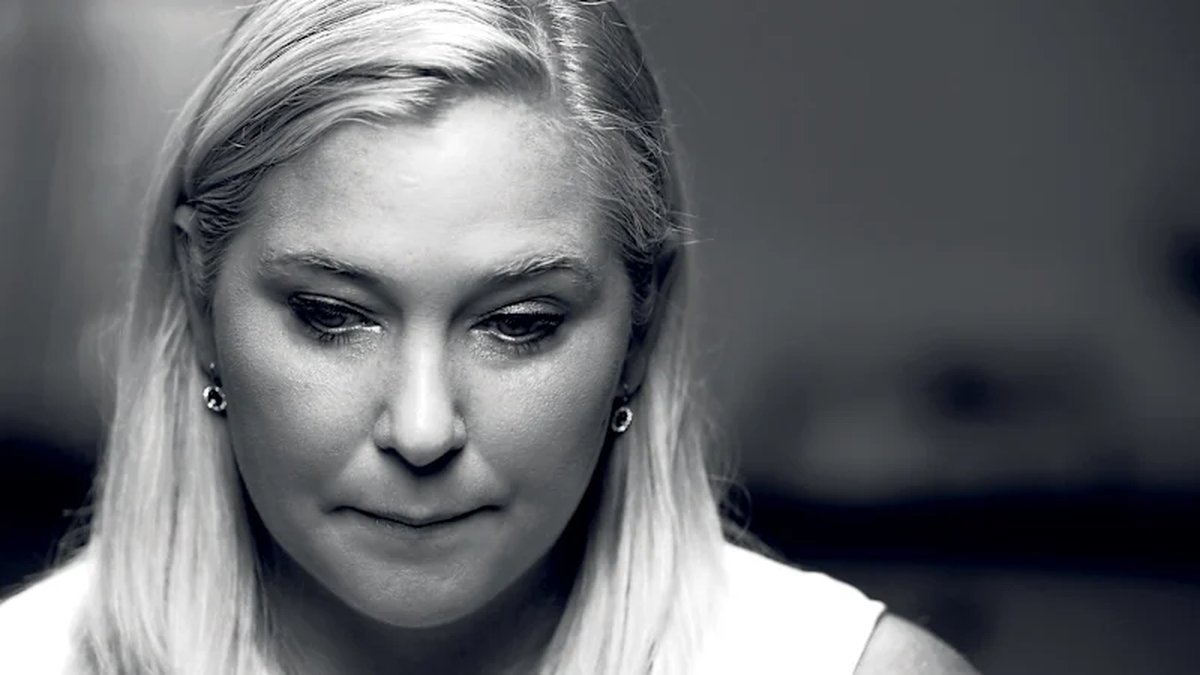
On the same theme, Good Weekend will tomorrow publish the story of Virginia Giuffre. Giuffre was known around the world for fearlessly calling out a culture of sexual abuse among the global elite. A painstaking investigation by Good Weekend senior writer Melissa Fyfe and WAtoday journalist Carla Hildebrandt has probed the lesser-known personal anguish she was facing at home in Australia in the final months of her life.
Our investigation launches tomorrow with a Good Weekend cover story, and the first episode of a four-part podcast series, hosted by Mel and Carla, with Julia Carr-Catzel the executive producer.
The podcast series examines the violence both Giuffre and her husband reported against each other, the interim restraining order filed against her, the removal of her children by a magistrate, and the system she turned to for protection that ultimately let her down. What began as a look into the battle for Giuffre’s estate soon turned into a much bigger story.
We are able to write these stories due to the support of our subscribers. The changes each story brings about might be incremental, but the cumulative impact is enormous. In my career, countless small steps forward have helped end the culture of silence around family violence. In another 30-odd years, I hope we will have made such strides to reduce the scourge of family violence that the world of 2026 will seem unrecognisable too.
Start the day with a summary of the day’s most important and interesting stories, analysis and insights. Sign up for our Morning Edition newsletter.
Facts Only
* Domestic violence was not taken seriously in journalism in the late 1990s.
* One in four women and one in eight men have experienced violence by an intimate partner or family member since age fifteen.
* A four-year-old boy was allegedly murdered by his mother on the Central Coast.
* The mother involved in the murder was known to child protection authorities.
* The mother was affected by drugs and mental illness at the time of the incident.
* The Department of Communities and Justice is not responsible for tragedies involving children or dysfunctional families.
* Crime reporter Amber Schultz covered the Wyong story with Perry Duffin.
* Michaela Whitbourn investigated challenges facing family violence victims in the court system.
* Clare Sibthorpe reported on survivor experiences, including one woman bringing her rapist to justice.
* Virginia Giuffre was known for calling out sexual abuse among the global elite.
* An investigation by Good Weekend and WAtoday probed personal anguish experienced by Virginia Giuffre in Australia.
Executive Summary
Full Take
Sentinel — Human
The text reads like a reflective editorial or long-form journalism piece, blending personal history with systemic commentary, strongly suggesting human authorship and intent.