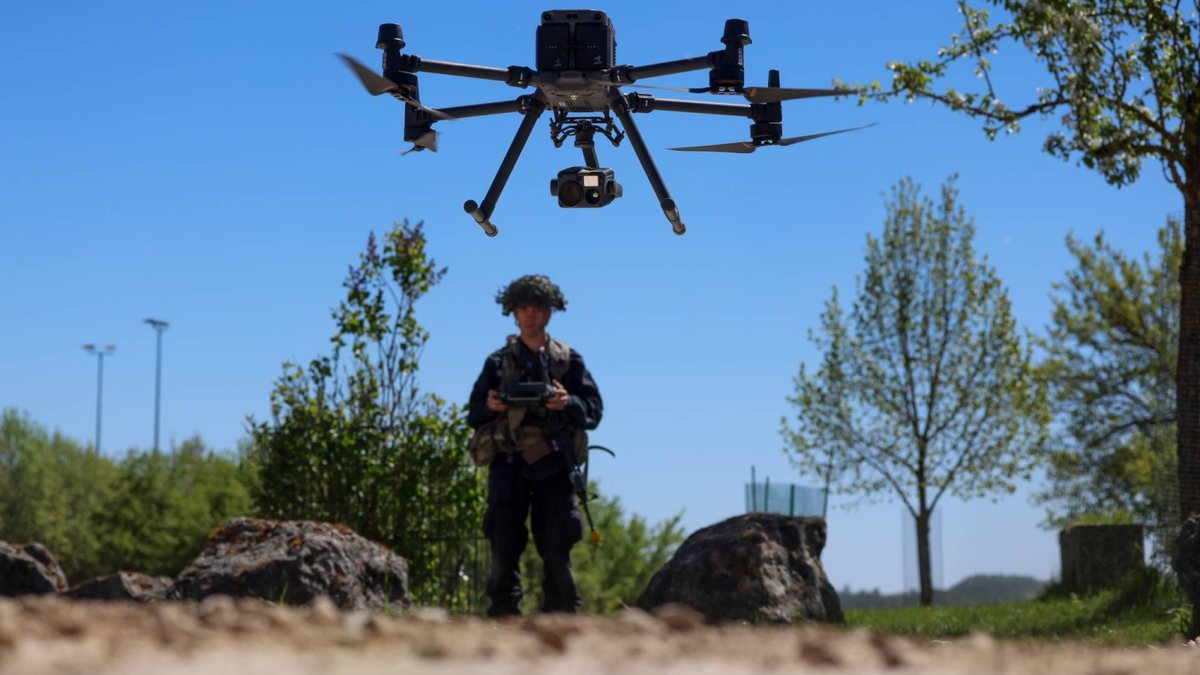
The U.S. Army buys 50,000 drones a year, set to increase in 2027 to 340,000. Sounds like a lot? Yeah, but Ukraine is producing and launching 4 million a year. Meanwhile, an Iranian missile landing on a Gulf air base destroyed a $300 million E-3 Sentry early-warning aircraft. America can afford it? Well, maybe, but it was one of a U.S. fleet of just 16 such aircraft, now down to 15.
At the same time, Ukraine’s $300,000-a-pop kamikaze drone boats have displayed in the Black Sea an ability to destroy warships costing hundreds of millions of dollars — they have sunk 13 Russian vessels and damaged many more. As for artificial intelligence, experts believe that this threatens to wipe out the technological lead the U.S. has possessed over actual and potential enemies since World War II.
Warfare, strategy and weapons systems are morphing at extraordinary speed. The U.S. still possesses by far the most capable military. But its ability to dominate a battlefield, never mind an entire region, is under threat in a fashion that military men and women understand better than do many national leaders.
With your current subscription plan you can comment on stories. However, before writing your first comment, please create a display name in the Profile section of your subscriber account page.
Sentinel — Human
The text reads like opinion-driven commentary designed to draw parallels between kinetic warfare statistics and the strategic implications of emerging technologies, exhibiting a strong human argumentative structure.