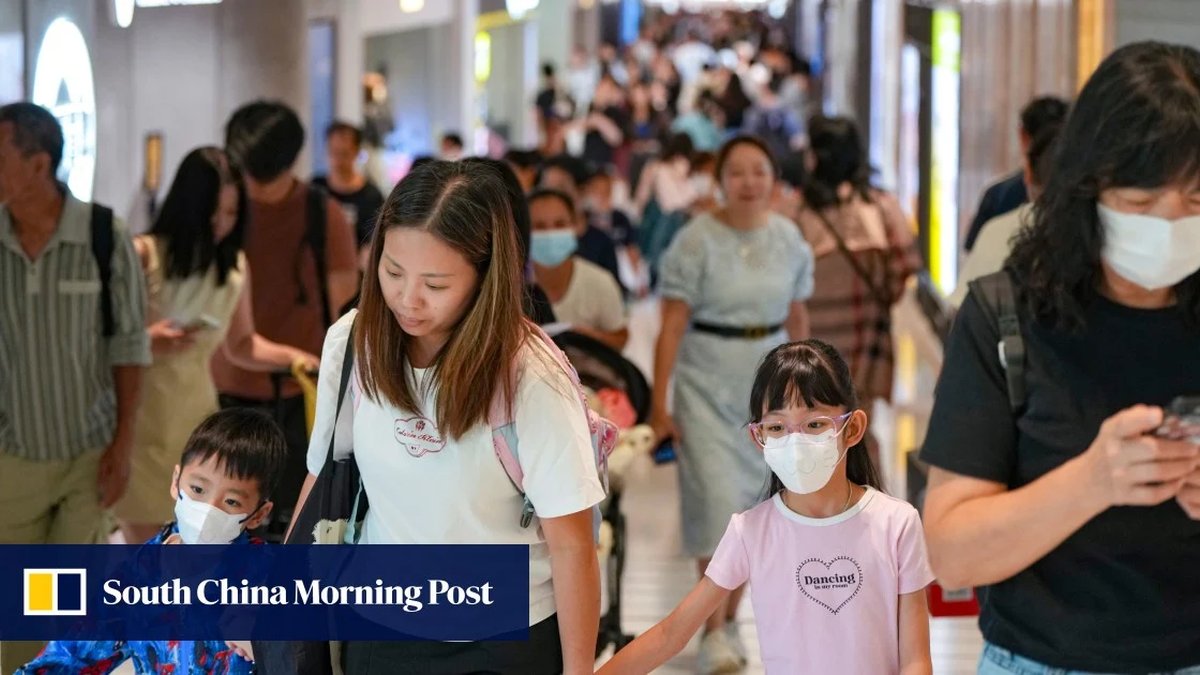
Doctors urge greater public awareness of deadly meningococcal disease as survey exposes low knowledge and vaccine uptake
Nearly 60 per cent of Hong Kong parents mistakenly believe that invasive meningococcal disease is no different from a common cold, a survey has found, prompting doctors to urge greater public awareness of the potentially fatal infection ahead of the summer travel season.
The warning follows a survey by the Hong Kong Early Childhood Educators Association of 300 parents and teachers. Parents scored an average of 3.84 out of 10 on their knowledge of the disease, compared with 4.8 for teachers.
The survey, released on Sunday, also found that 78 per cent of parents had not vaccinated their children against meningococcal disease, while more than one-third were unaware that a vaccine was available.
Eighty-six per cent of respondents had travelled with their children over the past year, with mainland China, Taiwan and Macau the most popular destinations.
Meningococcal disease is a rare but severe, life-threatening bacteria.
It typically causes one of two serious conditions, and often both simultaneously: meningitis, which is an inflammation of the protective membranes lining the brain and spinal cord; and meningococcemia, a severe bloodstream infection.
Sentinel — Human
The article exhibits strong journalistic structure and verifiable source attribution, indicating it is likely human-written news reporting rather than purely synthetic content.